Density is decided by the powder, not the press

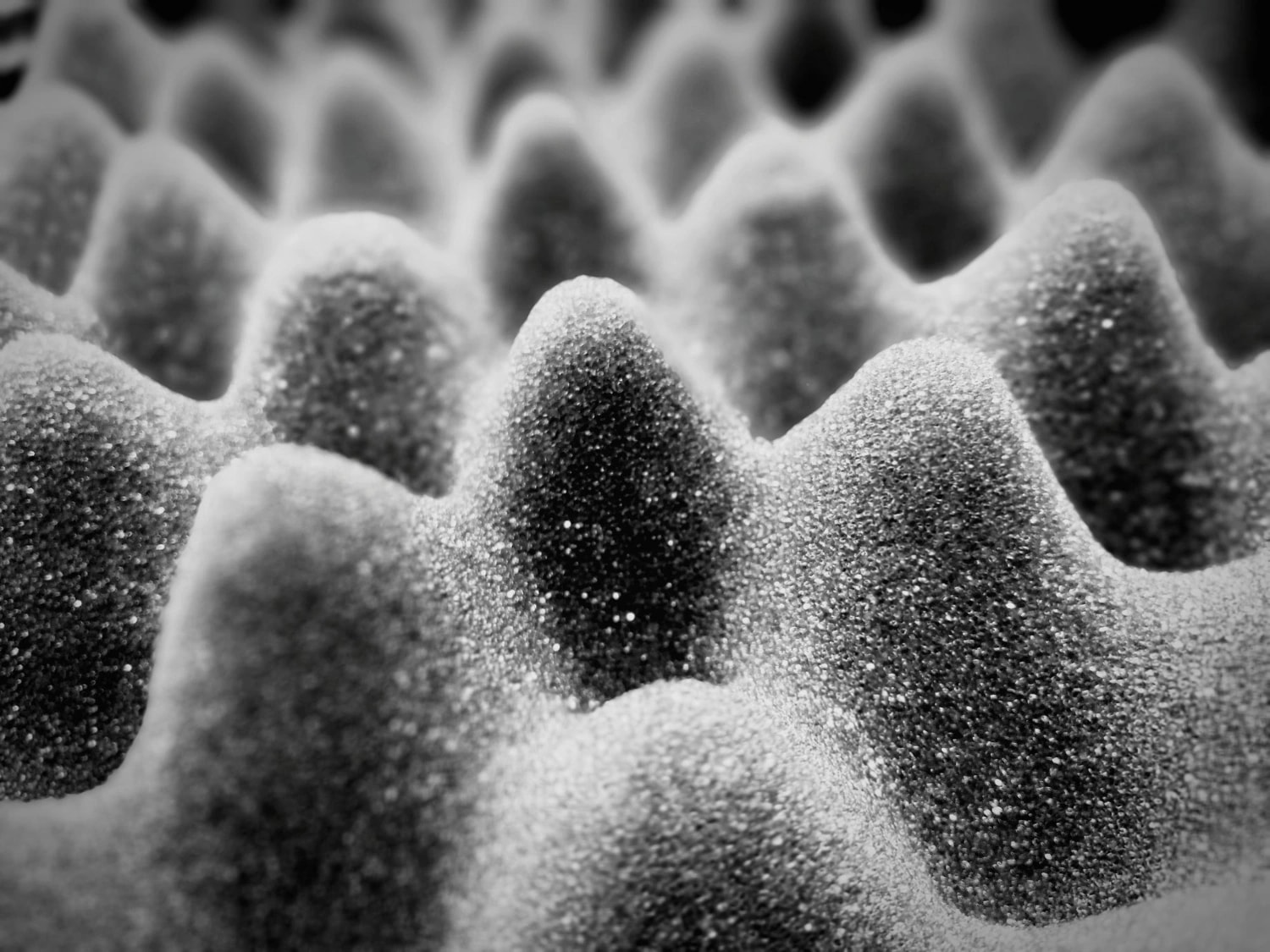
The single figure that predicts an ITO target's behaviour is density as a percentage of theoretical. Above 99%, targets sputter cleanly. Below it, residual porosity becomes the seed for every problem the process has.
That density is largely determined before the powder reaches the press. Particle size distribution controls packing efficiency; specific surface area controls sintering driving force; agglomeration state controls whether the green body has uniform density or a map of soft and hard regions. A press can compensate for none of these.
This is why buying ITO powder on composition alone is a mistake. Two powders, both certified 90:10 at 99.99%, can produce targets that differ by three percentage points in final density — the difference between a target that runs its full life and one that starts arcing at half utilisation.
How porosity becomes a nodule
Sputtering erodes a target unevenly at the microscopic scale. Where a pore intersects the eroding surface, the local geometry and the local electric field change. Redeposited material collects around it, and because that redeposited material is less conductive than the bulk, charge accumulates on it.
The result is a nodule: a growing protrusion that concentrates field, eventually breaks down as an arc, and ejects a droplet of molten material into your film. In a display process this is a rejected panel. In a barrier or optical coating it is a defect that may not be caught until final test.
The chain runs backwards to the powder: agglomerates survive pressing as low-density regions, those regions sinter poorly and leave pores, and those pores become nodules. Controlling agglomeration is the cheapest intervention in the whole sequence.
The specification that matters
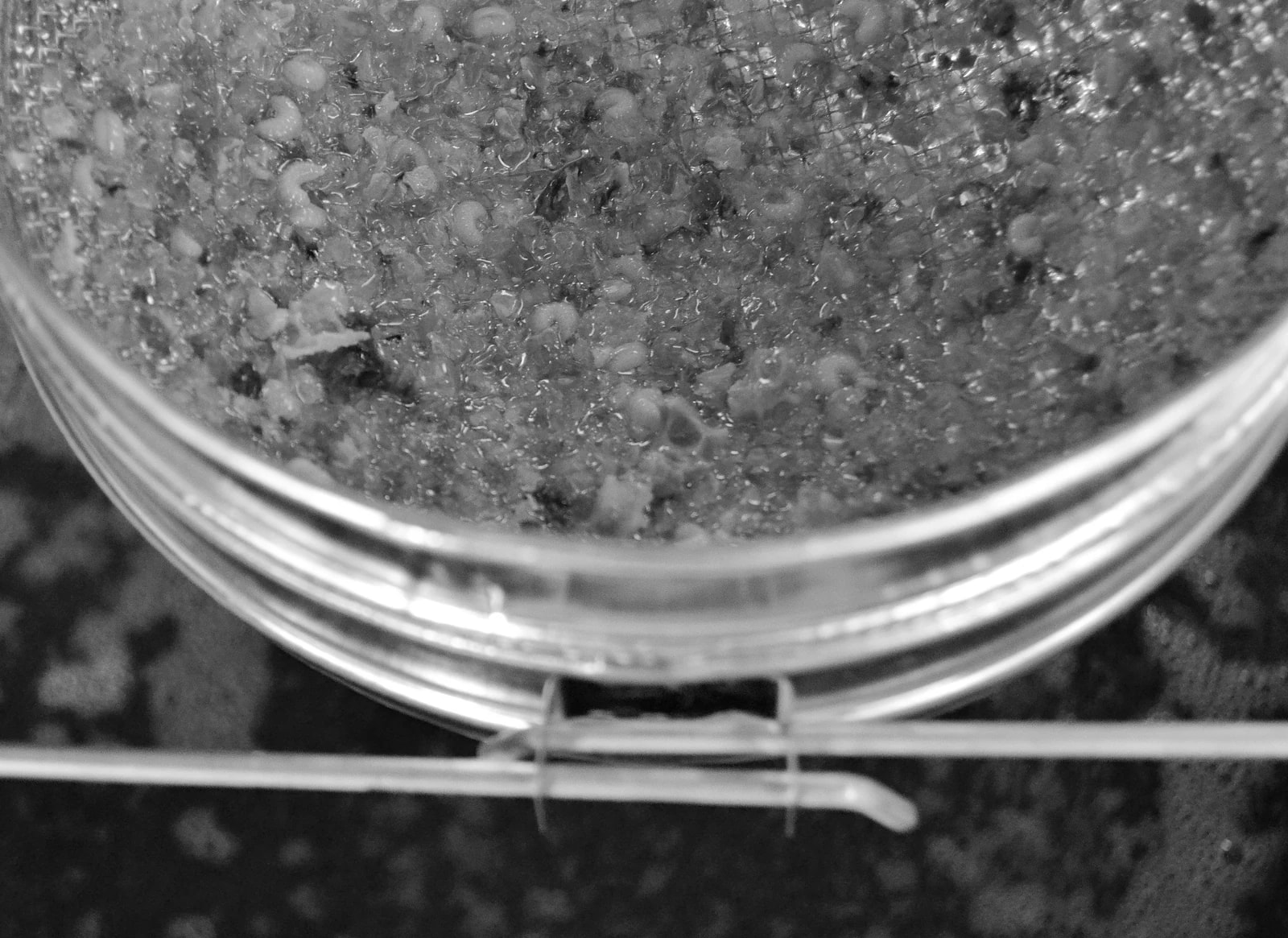
A useful ITO powder specification states more than composition and purity. These are the parameters worth writing into a purchase specification and checking on the certificate.
- Composition: 90:10 In₂O₃/SnO₂ by weight is standard; 95:5 where transparency is favoured over conductivity.
- Purity: ≥99.99%, with the trace element analysis attached rather than a nominal grade.
- Particle size distribution: D10, D50 and D90 rather than a single nominal figure — the width of the distribution matters as much as the centre.
- Specific surface area: measured BET, because it governs sintering driving force and shrinkage.
- Agglomeration state: deagglomerated, with the measurement method stated.
- Packaging: sealed under inert atmosphere, because ITO powder picks up moisture and that moisture shows up as porosity.
Matching the grade to the route
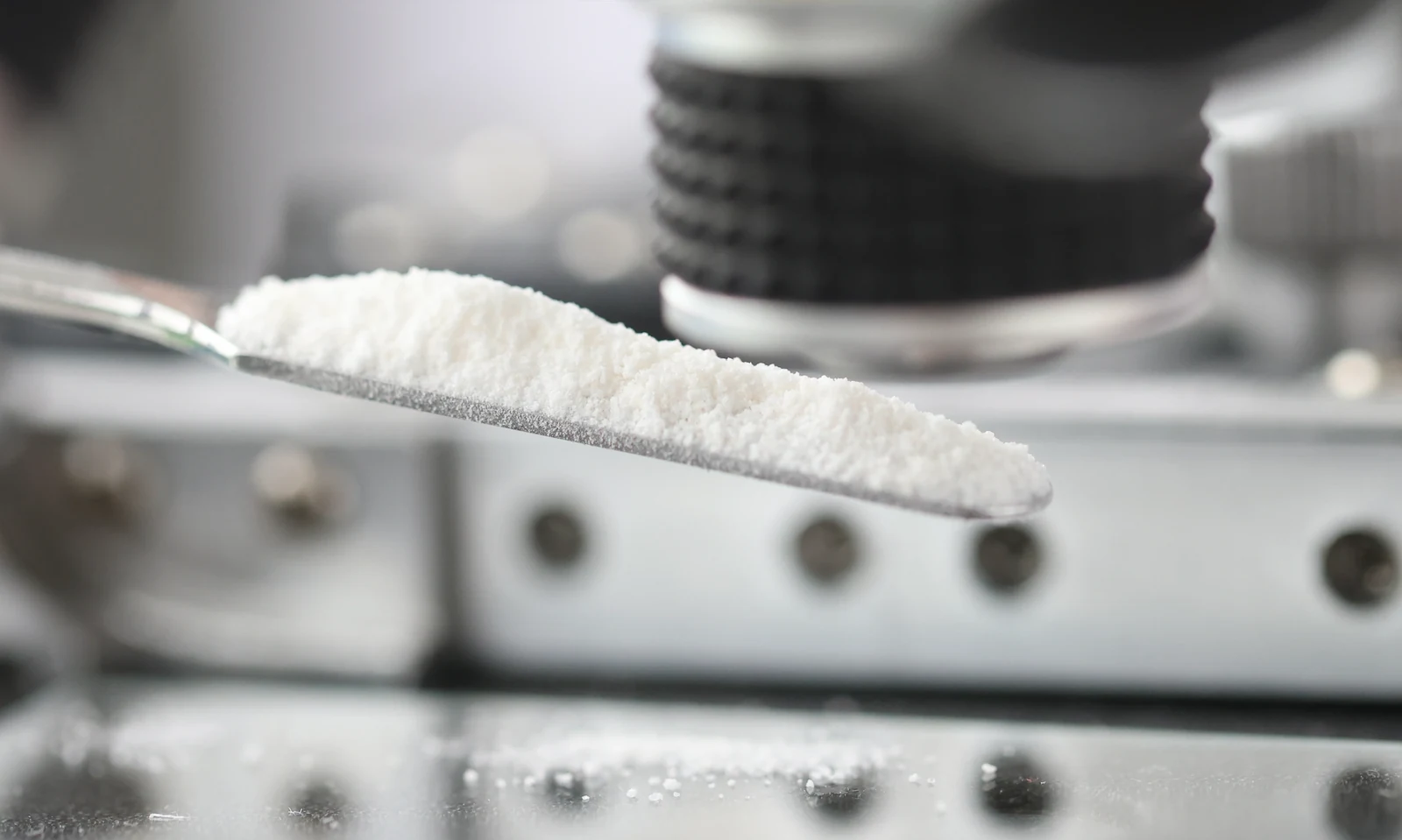
Cold isostatic pressing followed by atmospheric sintering is the common route and suits powders with a controlled, moderately broad distribution that packs efficiently. Hot pressing and hot isostatic pressing apply pressure during sintering, reach higher densities and tolerate a wider range of powders — at considerably higher equipment cost.
For inks, printed electronics and sol-gel coatings the requirements invert. Dispersion stability replaces packing density as the controlling parameter, so finer particles and controlled surface chemistry matter, and agglomerates that would merely reduce green density in a pressed target will block a print head instead.
Tell your supplier the route, not just the material. A powder optimised for CIP-and-sinter is the wrong powder for an ink, and vice versa, even though both certificates read 90:10 at 4N.
The indium in your scrap
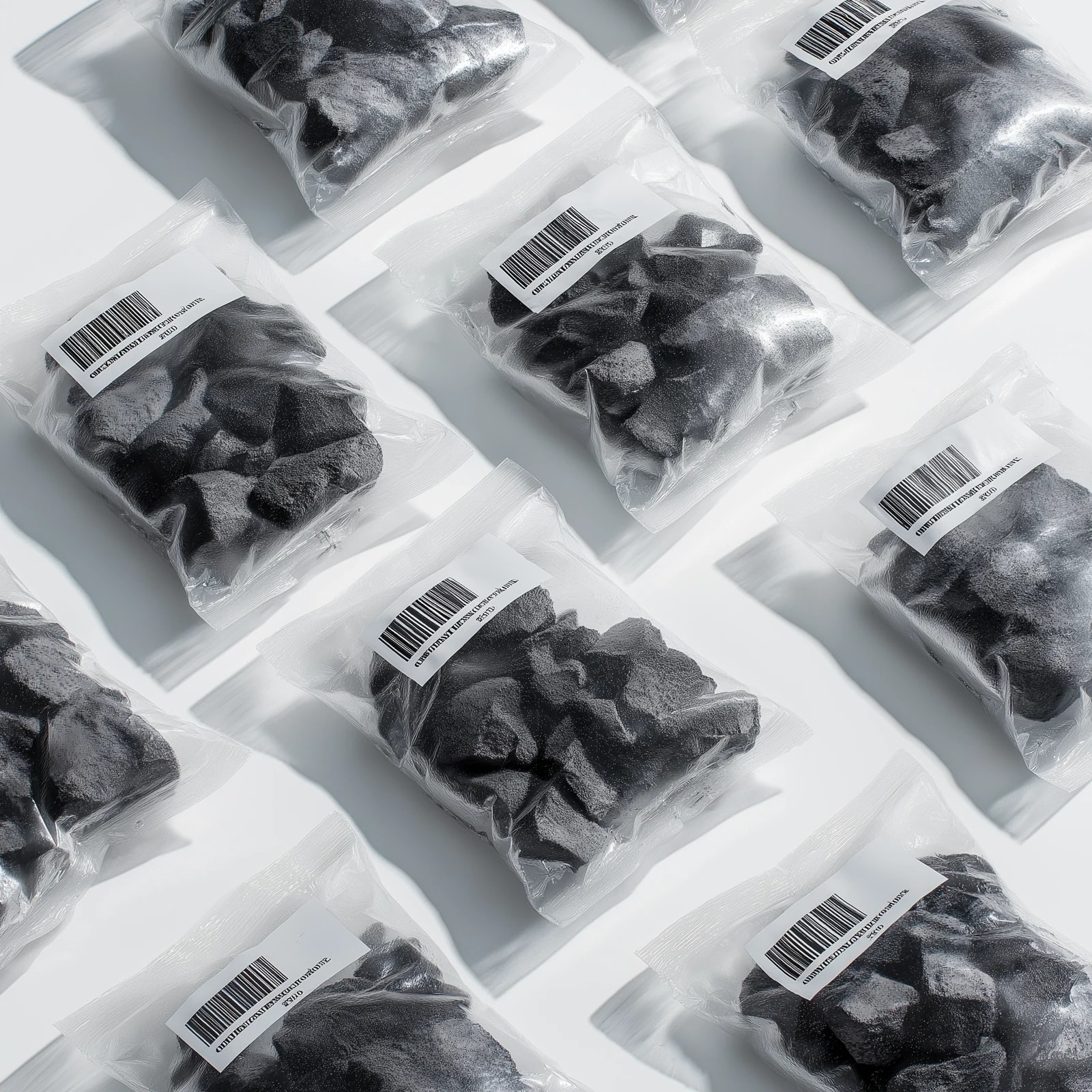
Target production generates recoverable indium at several points: off-spec and out-of-date powder, grinding sludge from finishing pressed blanks, rejected green bodies, and dust collected from handling. All of these carry indium at concentrations orders of magnitude above any ore.
Given that indium is a zinc-refining by-product with supply that does not respond to demand, treating these streams as waste is a straightforward economic loss. Segregated at source and returned for refining, they offset new powder purchases directly. The main practical requirement is simply keeping streams separate and dry — mixed and contaminated material assays lower and costs more to process.
Frequently asked questions
What ITO powder specification do I need for target production?
Composition is the easy part: 90:10 In₂O₃/SnO₂ at ≥99.99%. The parameters that decide your finished target are physical — a controlled particle size distribution reported as D10/D50/D90, measured BET surface area, and a deagglomerated state. Specify the pressing and sintering route so the grade can be matched to it.
Why does powder quality affect target performance?
Because porosity is inherited. Agglomerates survive pressing as low-density regions, sinter poorly and leave pores. Those pores become nodules during sputtering — they arc, eject droplets into your film and eventually force an unscheduled chamber opening. Target behaviour is decided at the powder stage.
What density should a finished ITO target reach?
Above 99% of theoretical, which is 7.14 g/cm³ for 90:10 ITO. Below that, residual porosity drives nodule formation and arcing. Ask for measured density per lot rather than a catalogue figure — the measurement is straightforward and a supplier who will not provide it is telling you something.
Can ITO powder be recovered from production scrap?
Yes, and it is usually worth doing. Off-spec powder, grinding sludge, rejected green bodies and collected dust all carry indium far above ore concentrations. Keep streams segregated and dry, and the recovered metal offsets new powder purchases directly rather than going to disposal.
Talk it through with an engineer
If this guide has not answered your question, describe your process and we will tell you what we would specify — including when the answer is that you do not need what you were about to buy.
Drawings, STEP files and photographs can be attached to the form. Prefer to talk it through? Leave a phone number and ask for a call.
What to include
- Your deposition process and tool
- Film requirement or the problem you are solving
- Volumes, if you know them
No drawing? Send photographs of the worn part — we can work from that.