
Environment
Recycled Precious Metals and Closed-Loop Material Supply
Refining a kilogram of platinum out of spent labware emits a small fraction of what mining a kilogram emits. That is the whole environmental argument, and it happens to also be the commercial one.
- Recovered PGM CO₂
- ~5–10% of primary
- Metal in a spent target
- 60–70%
- Collection
- Sealed, tracked, Europe-wide
- Settlement
- 15 working days
Why recycled platinum and ruthenium carry a fraction of the CO₂
- 60–70%
- Metal remaining in a spent target
- 0%
- Landfill for accepted material
- 100%
- Assay reports issued in full
Primary platinum group metal production moves an enormous quantity of rock. Ore grades in the major PGM deposits are measured in grams per tonne, which means producing a single kilogram of platinum involves mining, hauling, milling, floating and smelting hundreds of tonnes of material. The energy and emissions burden of that sequence is what gives primary PGM its very high carbon intensity.
Recovery starts from material that is already concentrated. A spent sputtering target is most of the way to pure metal already. Platinum labware is pure metal with a service history. Spent catalyst carries its PGM at concentrations orders of magnitude above any ore body. The refining energy is real but small by comparison, which is why published figures for recovered PGM typically land at a small single-digit percentage of the primary footprint.
The same logic applies to indium, which has no primary ore of its own — it is a by-product of zinc production, and global supply is inelastic. ITO sputtering has a notoriously poor utilisation rate, with a large share of the indium ending up on chamber shields, in polishing sludge and in the spent target itself. Recovering it is not an environmental gesture; it is where a meaningful share of the world's usable indium actually comes from.
Buy-back and credit against new targets and labware

The loop we run is simple to describe and unusual to find in one supplier. We manufacture the target, pellet, crucible or boat. You use it. We collect the spent material under sealed and numbered chain of custody. We assay it, refine it, and either settle in cash or credit the metal value against your next order — which frequently means the replacement part is substantially cheaper than its list price.
Closing that loop with a single counterparty removes the step where material sits in a scrap bin for two years because nobody is sure who buys it. It also removes the information loss: because we made the original part, we know what is in it, and the assay conversation starts from a known composition rather than an argument.
- Sealed, numbered containers with documented chain of custody from your site.
- Weighing, crushing and homogenisation witnessed on request, umpire sample retained.
- Full analytical report — every element assayed, not just the headline metal.
- Cash settlement, metal return, or credit against new material: your choice.
What we will not do
We do not publish a carbon figure we cannot substantiate, and we do not put a percentage on our own footprint that has not been independently checked. Plenty of suppliers in this sector do; the numbers are usually unverifiable and often meaningless.
What we will state precisely is what happens to your material: it is weighed, sampled, assayed, refined and accounted for, with the report given to you in full. No accepted material goes to landfill. Residues that cannot be economically refined go to licensed treatment, documented. If you need those facts for your own environmental reporting, ask and we will provide them in the form your auditor wants.
Regulatory context worth knowing
The EU Critical Raw Materials Act sets explicit targets for the share of strategic raw material consumption met from recycling within the Union, and PGMs and indium sit squarely inside the strategic list. For manufacturers that means recovery is moving from a cost-recovery exercise to a compliance and reporting one.
Practically, the manufacturers who will find this easiest are the ones who already have documented, assayed, auditable recovery flows for their process residues — not the ones who sold their scrap to whoever called. If your reporting obligations are tightening, the paperwork we generate as standard is usually what you need.
Frequently asked questions
Are targets made from recycled metal the same purity as primary?
No. Refined metal is refined metal — once it is through the process it meets the same purity specification regardless of whether it started as ore or as a spent target. We supply targets made from recovered feedstock at the same 4N and 5N grades, with the same measured certificate of analysis. The atom does not remember where it came from.
What environmental documentation can you provide?
Chain of custody records, weighing and assay reports, the treatment route for any non-refinable residue, and a statement of the material recovered by weight and metal. If your auditor needs a specific format for CSRD or internal reporting, tell us what it is and we will issue it that way.
Do you accept small quantities of precious-metal-bearing waste?
Yes, though economics matter. A few grams of platinum sweepings will not pay for their own logistics; a kilogram of spent labware comfortably will. If you are unsure, send a photograph and an approximate weight and we will tell you honestly whether it is worth moving.
What happens to material that cannot be refined economically?
It goes to a licensed treatment facility and you receive the documentation. We do not landfill accepted material and we do not quietly pass unrefinable residue on to a third party without telling you where it went.
Find out what your process residues are worth
Spent targets, labware, catalyst, sludge or shields. Send a description and an approximate weight for an indicative valuation within 24 hours, and a firm figure after assay.
Drawings, STEP files and photographs can be attached to the form. Prefer to talk it through? Leave a phone number and ask for a call.
What to include
- Material, grade and purity you need
- Dimensions, tolerances or a drawing
- Quantity and the date you need it
No drawing? Send photographs of the worn part — we can work from that.
Where to go next
Metal recovery
Everything we accept and how the assay process runs.
View details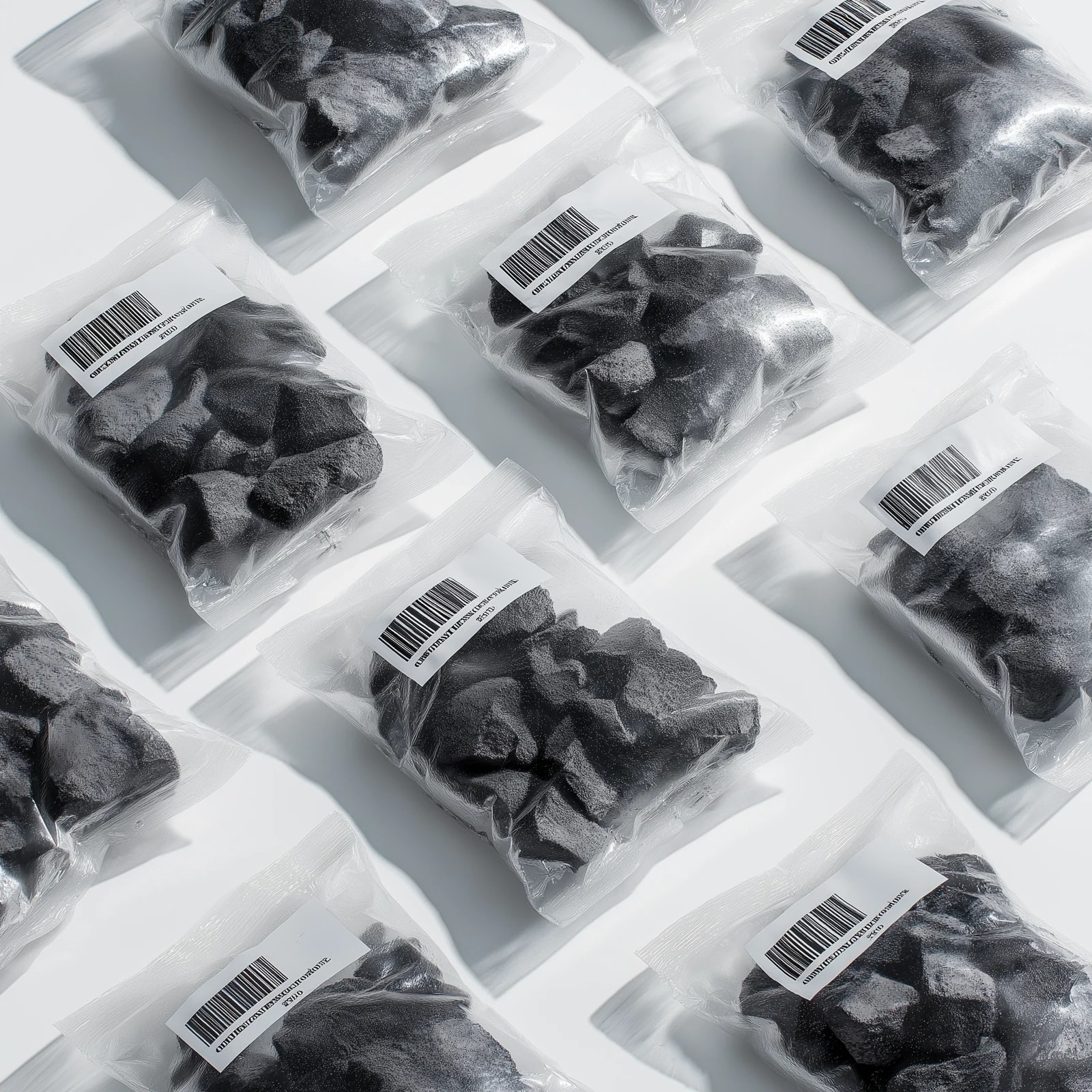
Indium recycling
Recovery from spent ITO targets, sludge and chamber shields.
View details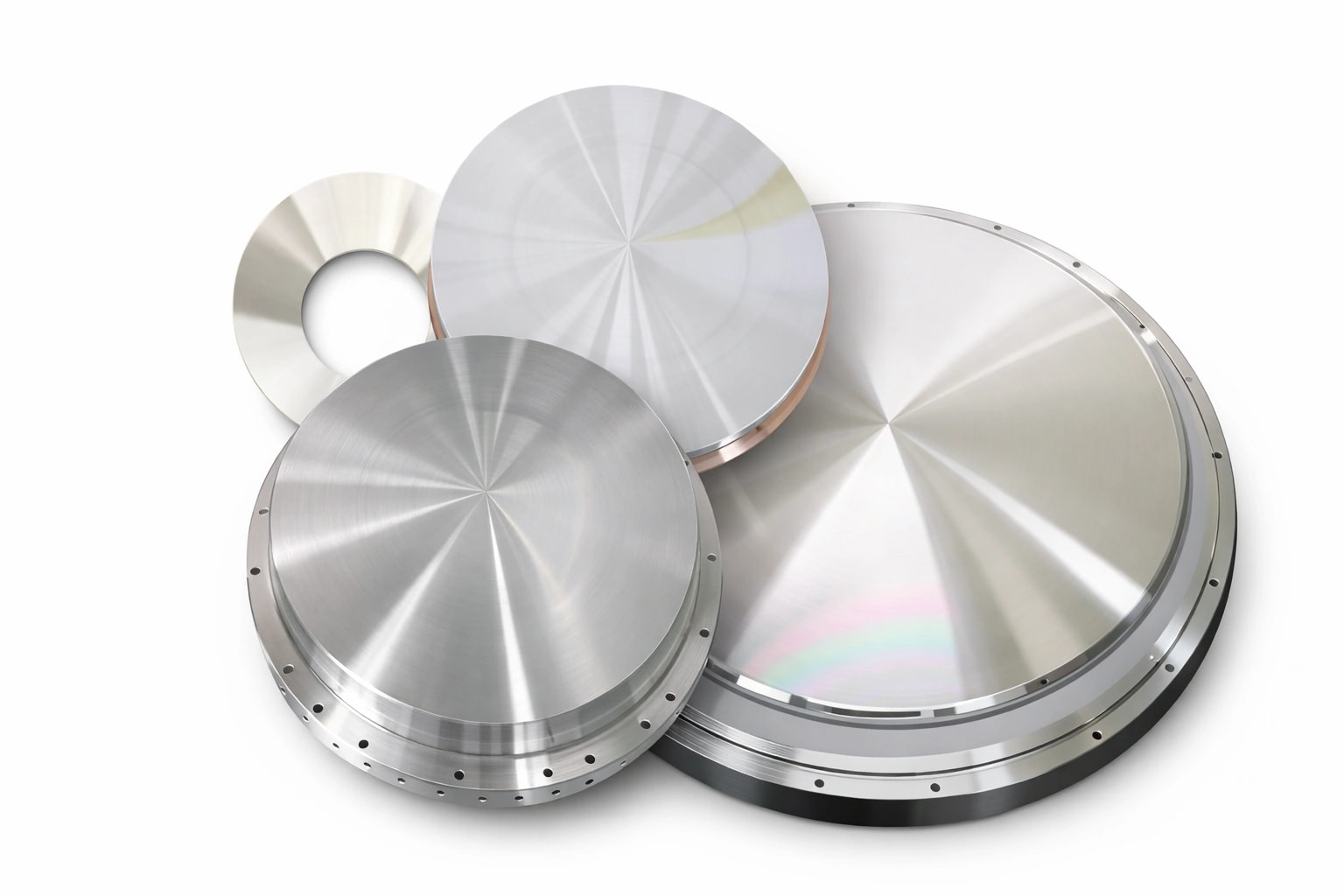
Sputtering Targets
New targets at 4N–5N purity, with spent-target take-back.
View details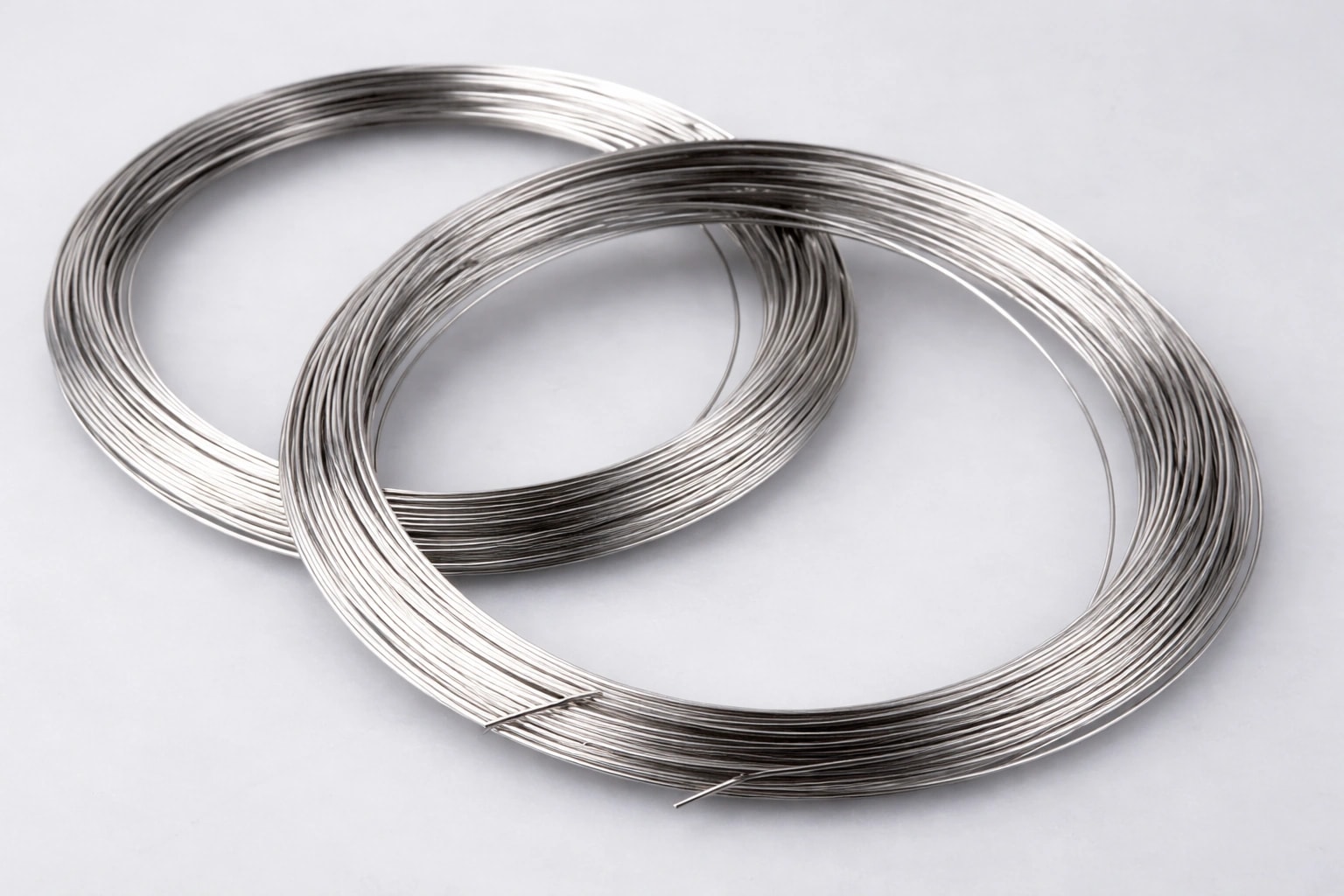
Platinum Components
Crucibles, wire and labware — worn pieces bought back.
View details