
Materials
Tungsten Components & Custom Machined Parts
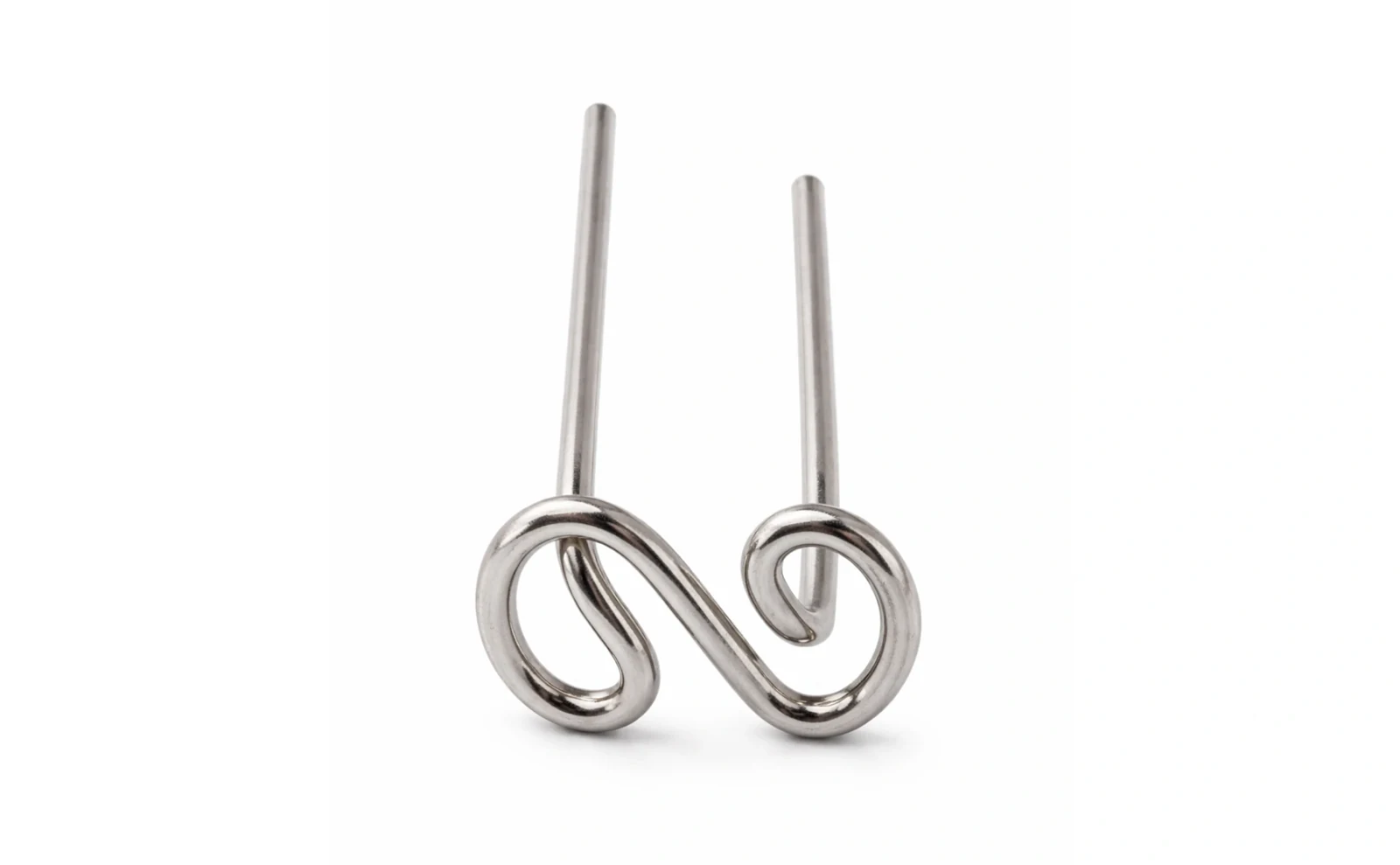
Tungsten boats, crucibles, filaments, pins and electrodes at 99.95% purity — formed, wound and machined to your drawing in Europe.
- Purity
- 99.95% W minimum, doped (AKS) available
- Forms
- Boats, crucibles, filaments, pins, rod, sheet, wire
- Wire diameter
- 0.1 – 3.0 mm
- Crucible diameter
- Ø10 – 300 mm
Purity up to 99.999%
5N material with certificate of analysis
Quote within 24 h
Technical review by materials engineers
Shipped from Europe
Dispatched inside the EU, customs handled at our end
Custom dimensions
Built to your tool and bonding spec
Range
Tungsten parts we make to order
Every item below is made to order — dimensions, purity and bonding are yours to specify.
99.95% · 2–4 weeks
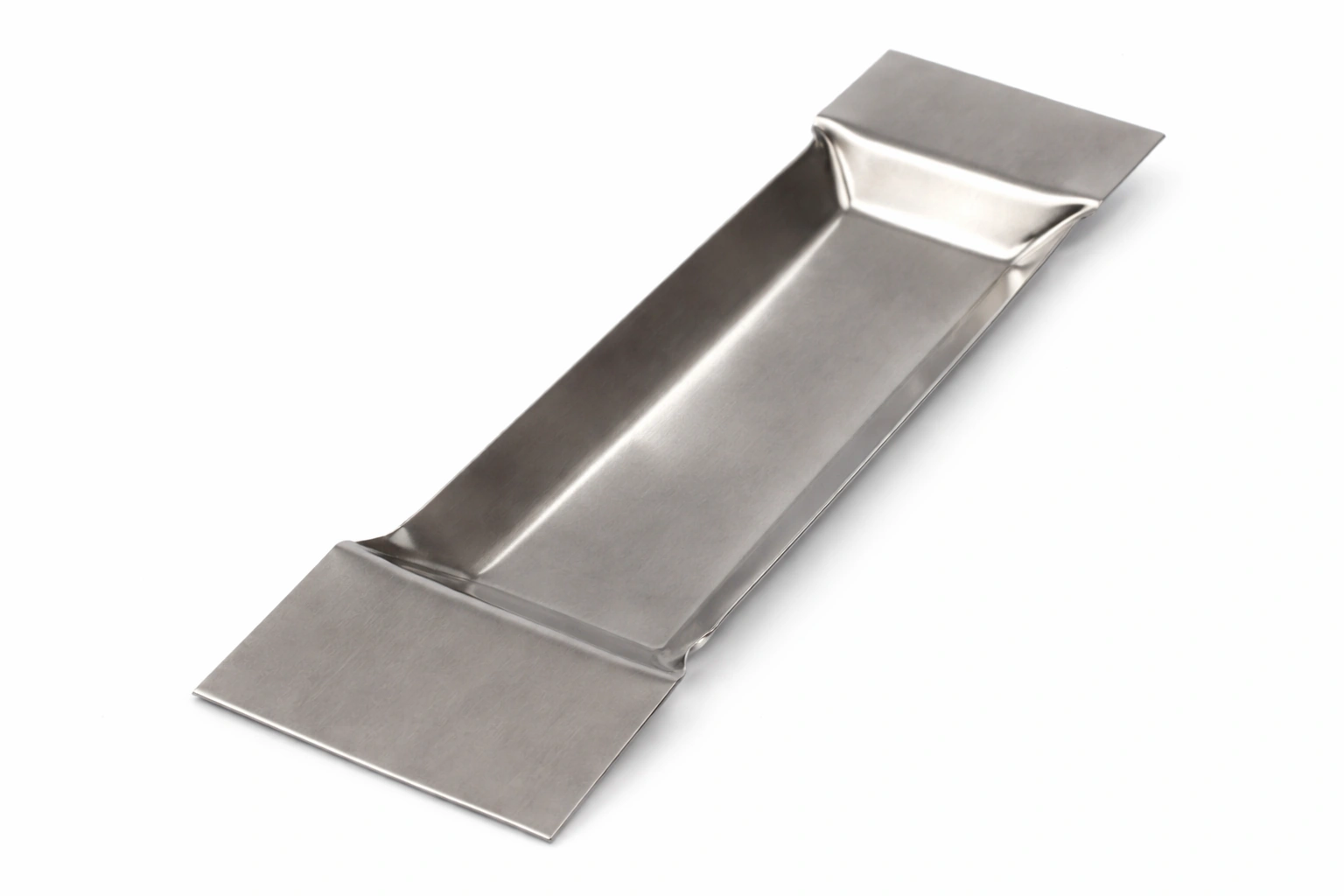
Tungsten Evaporation Boats
Formed tungsten boats for resistive thermal evaporation, made to your dimensions and clamp spacing in Europe.
Specs and quote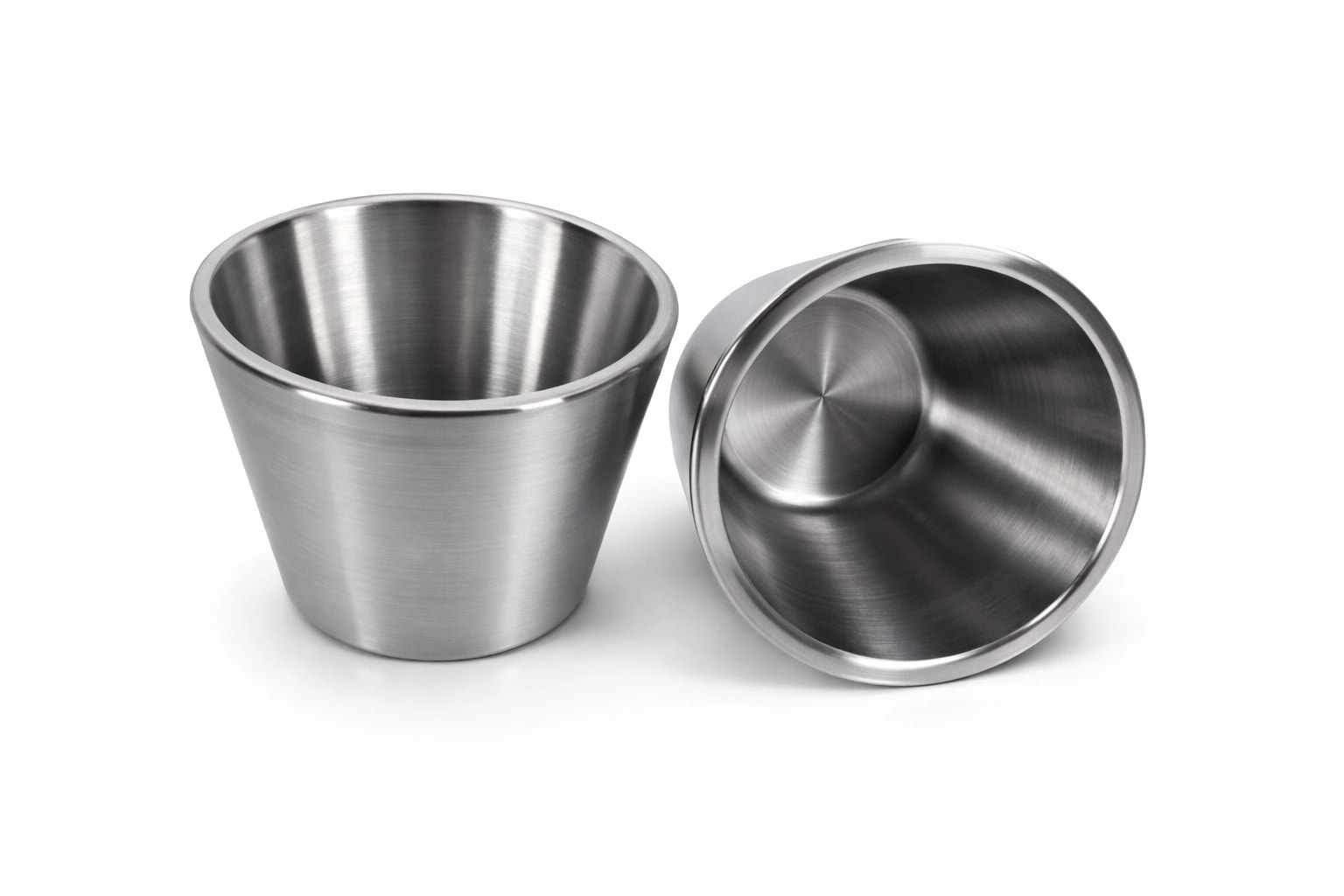
99.95% · 4–8 weeks
Tungsten Crucible
Machined and sintered tungsten crucibles for the temperatures where graphite and molybdenum no longer work.
Specs and quote99.95% · 3–5 weeks
Tungsten Filament
Precision-wound tungsten filaments and coils for ion implanters, electron guns and vacuum furnace heaters.
Specs and quote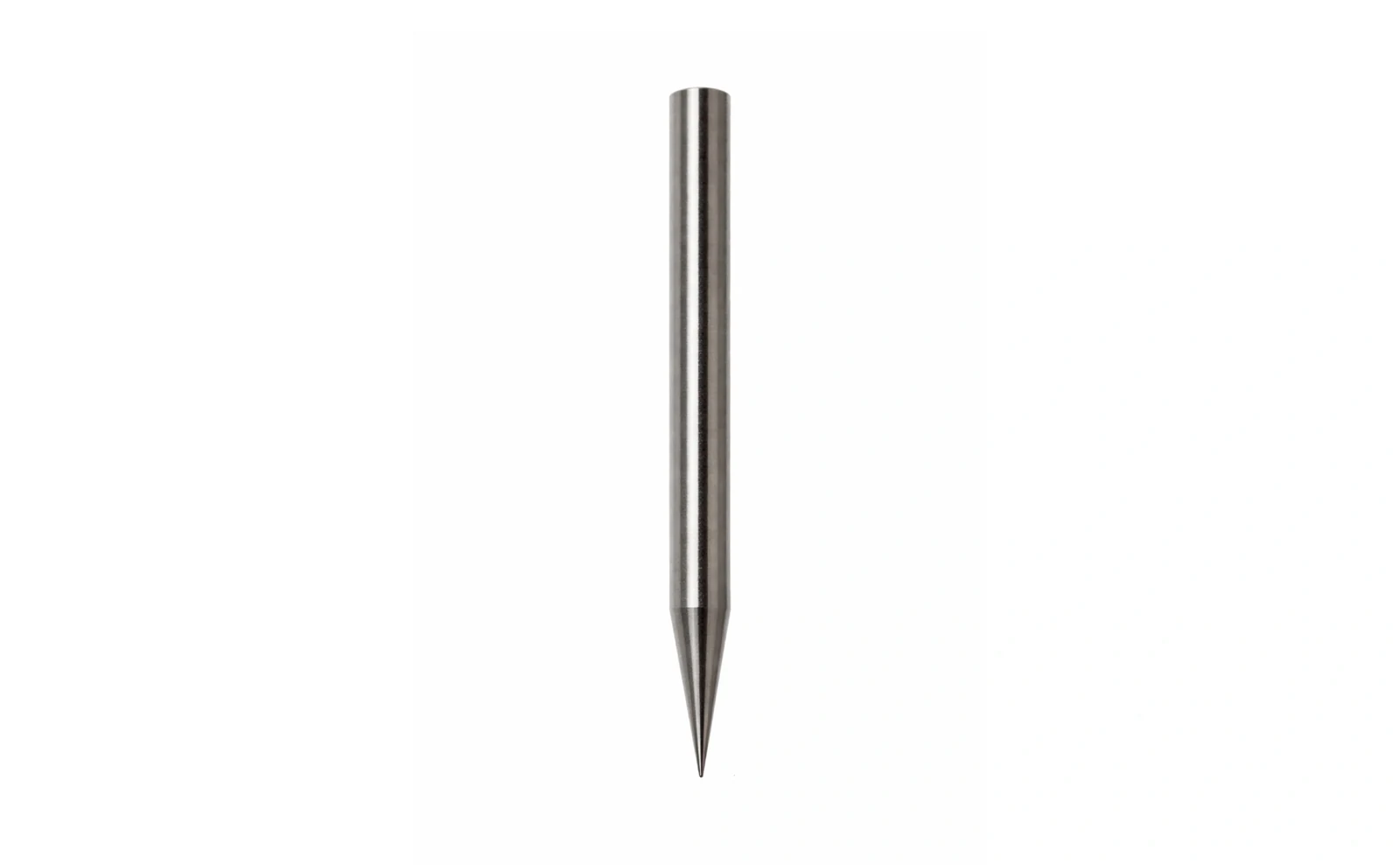
99.95% · 3–5 weeks
Tungsten Pin Electrodes
Precision-ground tungsten emitter pins for corona discharge ionizers, where tip geometry sets ionisation performance.
Specs and quoteWhat matters when you specify tungsten components
Tungsten has the highest melting point of any metal at 3422 °C, and the lowest vapour pressure at high temperature. That pair of properties is why it is used where nothing else survives: evaporation sources, crystal growth crucibles, thermionic filaments and high-temperature furnace hardware.
It also has the highest tensile strength of any pure metal above 1650 °C, which is what allows thin filaments and thin-walled crucibles to hold their shape at temperatures where other refractory metals sag and creep. Doped (AKS) tungsten takes this further — trace aluminium, potassium and silicon pin the grain boundaries and largely eliminate high-temperature sag, which is the difference between a filament lasting hours and lasting hundreds of hours.
The constraint you must design around is oxidation. Above roughly 500 °C in air, tungsten forms volatile WO₃ and is carried away. Every tungsten component runs in vacuum or a protective inert atmosphere — this is absolute, not a recommendation, and it is the most common cause of unexpectedly short component life.
Tungsten is also hard to work. It is brittle at room temperature and machines poorly, so components are made by pressing and sintering, by machining sintered billet, or by drawing and winding wire. We use all three routes and will advise which suits your geometry — sometimes a small design change moves a part from difficult to straightforward.
How to choose
Pure or doped tungsten?
Pure 99.95% tungsten is right for crucibles, boats and structural parts. Doped (AKS) tungsten resists the grain growth and creep that cause sag at high temperature, and is worth the premium for anything held hot for long periods — filaments above all, where it can transform service life.
Machined or pressed and sintered?
Machining from sintered billet gives tight tolerances and a good surface finish, at higher cost and with a limit on how thin walls can go. Pressing and sintering to near net shape is more economical for larger parts and thin walls, with looser tolerances. Tell us the tolerance you actually need and we will pick the route.
Tungsten or molybdenum?
Molybdenum is cheaper, lighter and far easier to machine, and is the correct choice up to about 1900 °C. Above that, and for melts that dissolve molybdenum, tungsten is the answer. If your process runs below 1900 °C in a non-aggressive environment, specify molybdenum and keep the cost difference.
Working with the oxidation limit
Tungsten oxidises rapidly above 500 °C in air. Every high-temperature component needs vacuum or an inert atmosphere, and any oxygen ingress shows up directly as shortened life. If your furnace atmosphere is uncertain, that is the first thing to fix — no coating fully solves it.
Manufacturing capability
The envelope we work within. If your requirement sits outside it, ask anyway — most limits here are standard-product limits, not process limits.
| Purity | 99.95% W minimum, doped (AKS) available |
|---|---|
| Forms | Boats, crucibles, filaments, pins, rod, sheet, wire |
| Wire diameter | 0.1 – 3.0 mm |
| Crucible diameter | Ø10 – 300 mm |
| Sheet thickness | 0.1 – 0.5 mm for formed parts |
| Service temperature | Up to 2800 °C in vacuum or inert gas |
Tungsten Components — frequently asked
Can you make tungsten parts from our drawing or a sample?
Yes, and a sample is often better than a drawing. Send us a used boat, filament or crucible and we reverse-engineer dimensions, thickness, clamp spacing and winding geometry from it. For new parts, send a drawing or STEP file and we will advise whether machining or pressing and sintering suits the geometry better.
Why do tungsten components fail so suddenly?
Usually oxidation from an atmosphere problem, or embrittlement. Tungsten oxidises rapidly above 500 °C in air, so any oxygen ingress consumes the part quickly. It also becomes progressively more brittle through grain growth at high temperature, so a component that survived hundreds of cycles can fracture on handling.
What is doped or non-sag tungsten?
AKS-doped tungsten contains trace aluminium, potassium and silicon that form microscopic bubbles pinning the grain boundaries. This prevents the grain growth causing creep and sag at high temperature. For filaments and anything held hot for long periods it roughly transforms service life and is almost always worth the premium.
Can tungsten components be used in air?
Only below about 500 °C. Above that, tungsten oxidises to volatile WO₃ and is progressively carried away — the component visibly erodes. All high-temperature tungsten use requires vacuum or a protective inert atmosphere such as argon or hydrogen. This is a hard constraint on the process design.
Request a quote for tungsten components
Send your specification and a materials engineer will price it — not a sales form auto-reply. Quotes for tungsten components are returned within 24 hours.
Drawings, STEP files and photographs can be attached to the form. Prefer to talk it through? Leave a phone number and ask for a call.
What to include
- Material, grade and purity you need
- Dimensions, tolerances or a drawing
- Quantity and the date you need it
No drawing? Send photographs of the worn part — we can work from that.
Also manufactured
Other materials we make in Europe
Same certificate of analysis, same quote turnaround, one supplier.
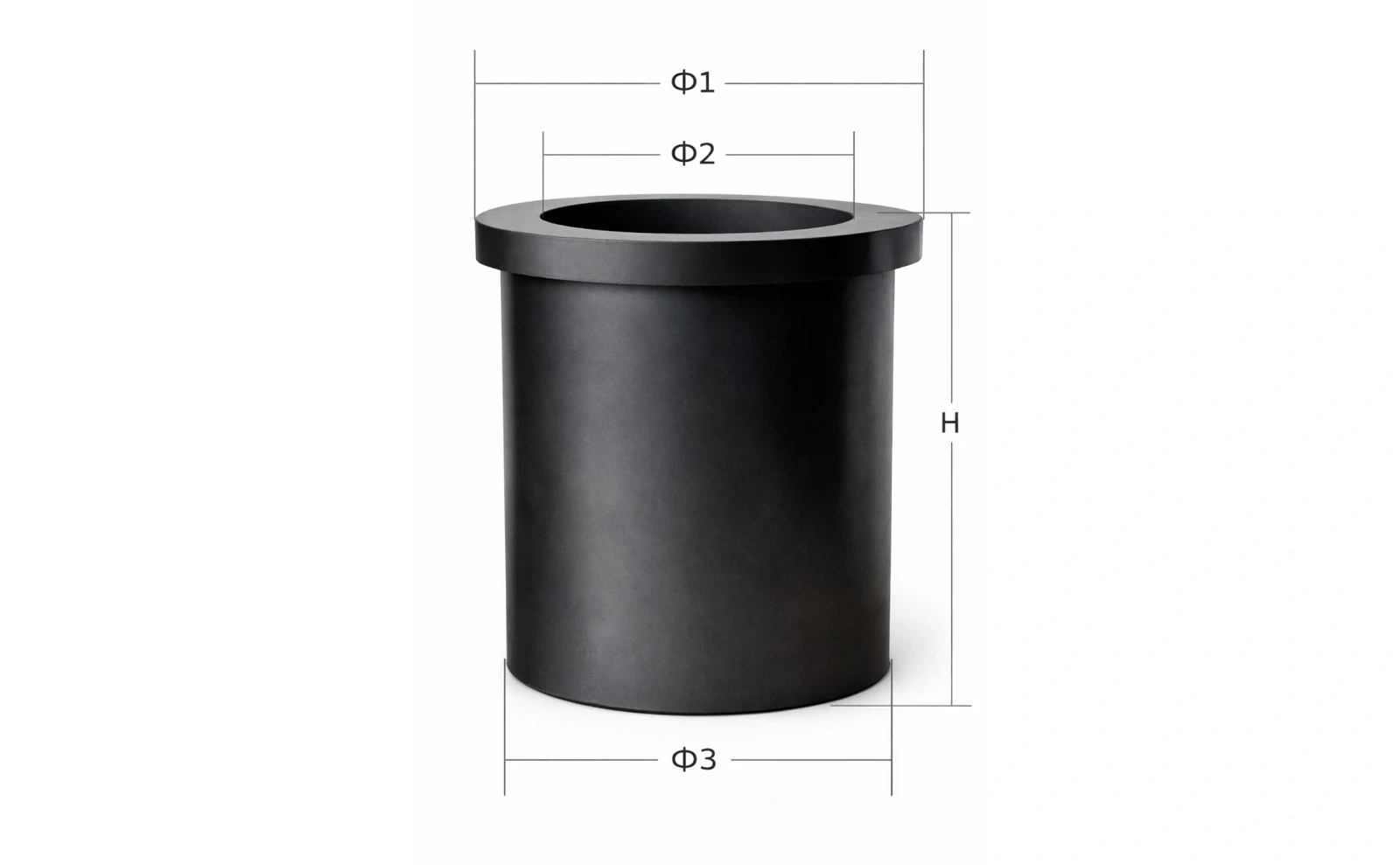
Isostatic graphite, fine and ultra-fine grain
Graphite Components
Isostatic graphite parts machined to drawing in Europe — crucibles, saggers, susceptors, fixtures and porous components, down to 5 ppm ash.
Specifications & quote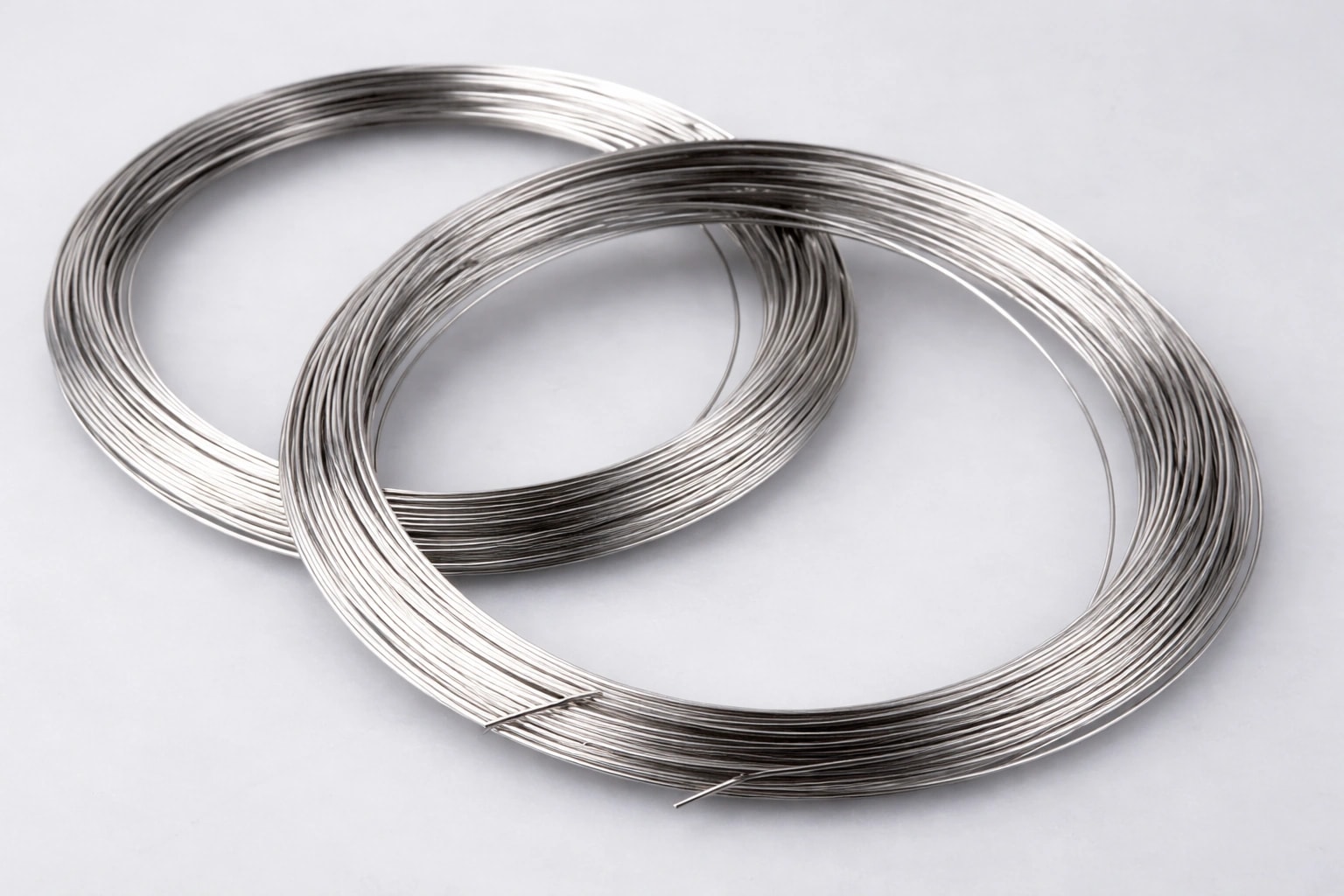
99.95% Pt, Pt/Au 95:5, Pt/Rh 90:10 and 87:13, Pt/Ir
Platinum Components
Platinum labware and fabricated parts — crucibles, dishes, wire, gauze and electrodes — hand-formed and machined to drawing, with buy-back on everything you return.
Specifications & quote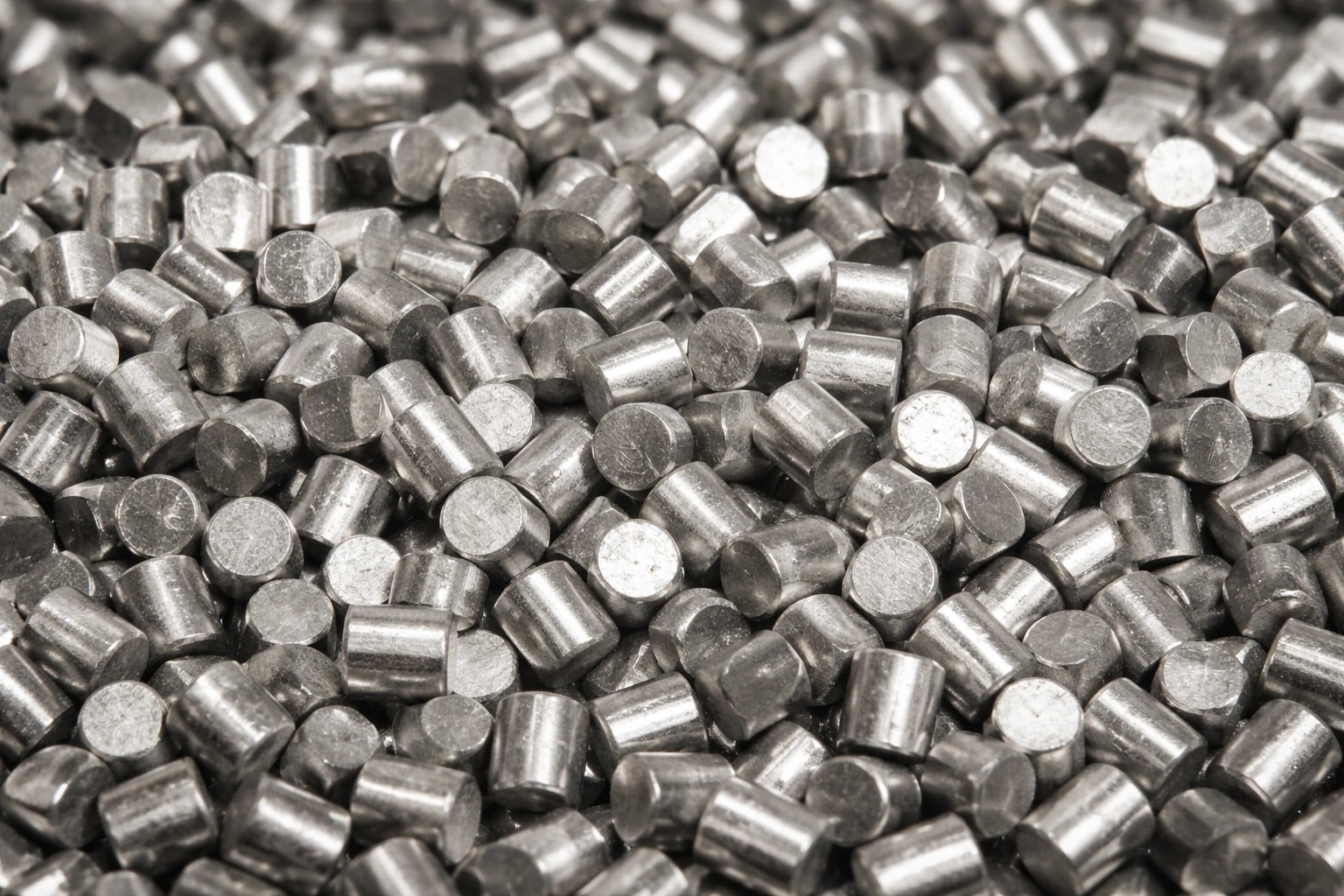
99.99% – 99.999% (4N – 5N)
Evaporation Materials
Pellets, slugs, shot, corn and wire in 4N and 5N purity — sized to your crucible and hearth, supplied from Europe.
Specifications & quoteTechnical guides
Read before you specify
Written by the engineers who quote these parts, not by a content agency.
8 min read
Electron Beam Evaporation: Pockets, Liners and Materials
How e-beam evaporation works, when it beats thermal evaporation, and how to match pocket size, crucible liner and charge form to Al, Cu, Ti, Ni, Co and Cr.
Read the guide
8 min read
Thin Film Deposition Methods: Sputtering vs Evaporation
Sputtering, thermal evaporation, e-beam and CVD compared — coverage, adhesion, rate and cost, with guidance on which method suits which film and substrate.
Read the guideAlso searched as: tungsten parts, tungsten components, custom tungsten parts, machined tungsten components, refractory metal parts.