
Tungsten Components
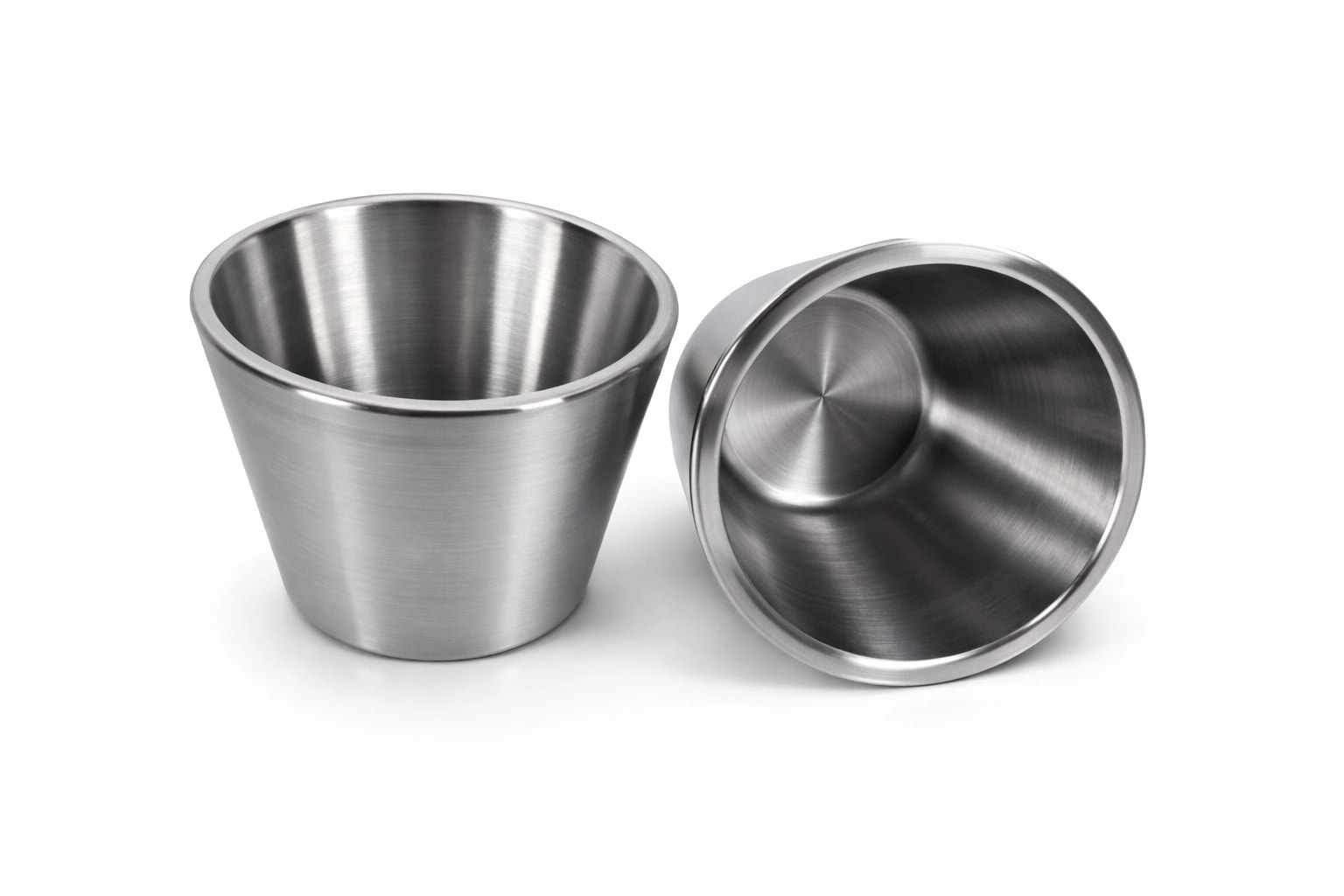
Tungsten Crucibles for High-Temperature Processing
Machined and sintered tungsten crucibles for the temperatures where graphite and molybdenum no longer work.
- Purity
- 99.95%
- Lead time
- 4–8 weeks
- Qualified in
- Europe
- Documentation
- Certificate of analysis per batch
Purity up to 99.999%
5N material with certificate of analysis
Quote within 24 h
Technical review by materials engineers
Shipped from Europe
Dispatched inside the EU, customs handled at our end
Custom dimensions
Built to your tool and bonding spec
About tungsten crucible
Above about 2000 °C the list of usable crucible materials becomes very short. Graphite reacts with many melts and introduces carbon; molybdenum softens; ceramics crack or react. Tungsten, with a 3422 °C melting point and very low solubility in most metal melts, is often the only practical option.
The main applications are sapphire single-crystal growth, rare-earth metal melting and purification, and high-temperature vacuum furnace work. In each case the crucible must survive many thermal cycles without contaminating the melt.
Tungsten oxidises rapidly above 500 °C in air, forming volatile WO₃. Crucibles must therefore run in vacuum or a protective inert atmosphere — this is a hard constraint, not a recommendation.
Tungsten Crucible specifications
Standard specification below. Anything on this table can be changed — send us your drawing or tool model and we will quote to it.
| Purity | 99.95% W minimum |
|---|---|
| Manufacture | Machined from sintered billet or pressed and sintered |
| Diameter | Ø10–300 mm, customer specified |
| Wall thickness | 1–10 mm |
| Maximum service temperature | ~2800 °C in vacuum or inert atmosphere |
| Density | ≥ 19.0 g/cm³ |
Tungsten material datasheet
Published constants for tungsten — the numbers you need to set up a run before the material arrives. Print this page for the process folder, or send it to us with your parameters and we will tell you whether the grade we stock suits them.
Chemical identity
| Material | Tungsten |
|---|---|
| Symbol | W |
| CAS number | 7440-33-7 |
| Atomic number | 74 |
| Atomic weight | 183.84 |
| Appearance | Greyish white, lustrous, metallic |
Physical and thermal properties
| Theoretical density | 19.25 g/cm³ |
|---|---|
| Melting point | 3,410 °C |
| Thermal conductivity | 174 W/m·K |
| Coefficient of thermal expansion | 4.5 × 10⁻⁶/K |
| Z ratio (QCM) | 0.163 |
Tungsten has the highest melting point of any metal, which is why it is the default boat, basket and filament material — it stays solid far above the evaporation temperature of the charge it carries.
Values above are published material constants for process planning and can vary with grade, microstructure and measurement method. They are not a supply specification — what we guarantee on your order is the specification table above and the certificate of analysis shipped with it.
Source: Kurt J. Lesker Company, deposition materials data. CAS numbers from the public chemical registry entry for each element.
Applications
Sapphire crystal growth
Kyropoulos and heat-exchanger-method growth of sapphire boules for LED substrates and optical windows.
Rare-earth metal melting
Melting and purification of rare-earth metals that would otherwise react with graphite or ceramic crucibles.
High-temperature vacuum furnaces
Containment for sintering, annealing and melting above the practical limit of molybdenum.
Metal powder production
Melt containment in atomisation and powder-production equipment.
What we can change for you
- Machined from sintered billet for tight tolerances, or pressed and sintered for larger and thinner-walled shapes.
- Any diameter from 10 to 300 mm with wall thickness 1–10 mm, to your drawing.
- Flanged, lipped and stepped geometries for furnace mounting.
- Matching tungsten lids, supports and heat shields.
Technical notes
3422 °C melting point and very low vapour pressure at service temperature.
Minimal solubility in most metal melts, so the melt stays uncontaminated.
High density and thermal conductivity give an even temperature profile across the charge.
Tungsten Crucible — questions we get asked
Can tungsten crucibles be used in air?
No. Tungsten oxidises rapidly above roughly 500 °C in air, forming volatile WO₃ that carries material away and destroys the crucible. Tungsten crucibles must run in vacuum or a protective inert atmosphere such as argon or hydrogen. This is an absolute constraint.
Tungsten or molybdenum crucible — how do I choose?
Molybdenum is cheaper, lighter and easier to machine, and is the right choice up to about 1900 °C. Above that, and for melts that dissolve molybdenum, tungsten is the answer. If your process runs below 1900 °C in a non-aggressive melt, specify molybdenum and save the cost.
What is the difference between machined and sintered tungsten crucibles?
Machined crucibles are cut from a sintered billet: tighter tolerances, better surface finish, more expensive, and limited in how thin the wall can go. Pressed-and-sintered crucibles are formed near net shape: more economical for larger sizes and thin walls, with somewhat looser tolerances.
How long does a tungsten crucible last?
In clean vacuum service with a non-reactive melt, many hundreds of cycles. Life is usually limited by thermal-cycling fatigue and by grain growth, which embrittles tungsten over time at high temperature. Reactive melts and any oxygen ingress shorten it dramatically.
Request a quote for tungsten crucible
Send your specification and a materials engineer will price it — not a sales form auto-reply. Quotes for tungsten crucible are returned within 24 hours.
Drawings, STEP files and photographs can be attached to the form. Prefer to talk it through? Leave a phone number and ask for a call.
What to include
- Purity grade — 99.95% is standard
- Dimensions, tolerances or a drawing
- Quantity and required delivery date
No drawing? Send photographs of the worn part — we can work from that.
Related materials
Often specified alongside this product by the same customers.
99.95% · 2–4 weeks
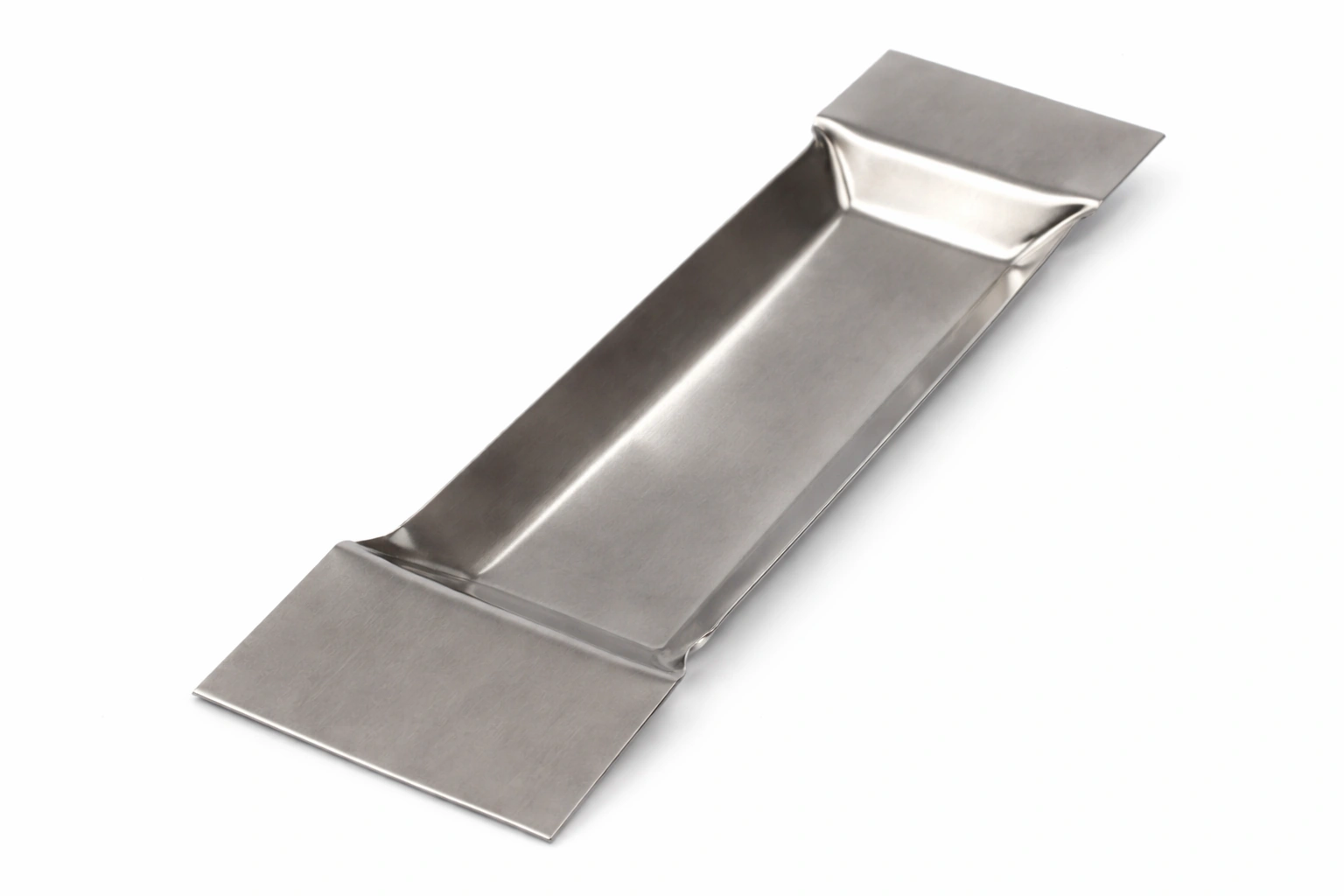
Tungsten Evaporation Boats
Formed tungsten boats for resistive thermal evaporation, made to your dimensions and clamp spacing in Europe.
View details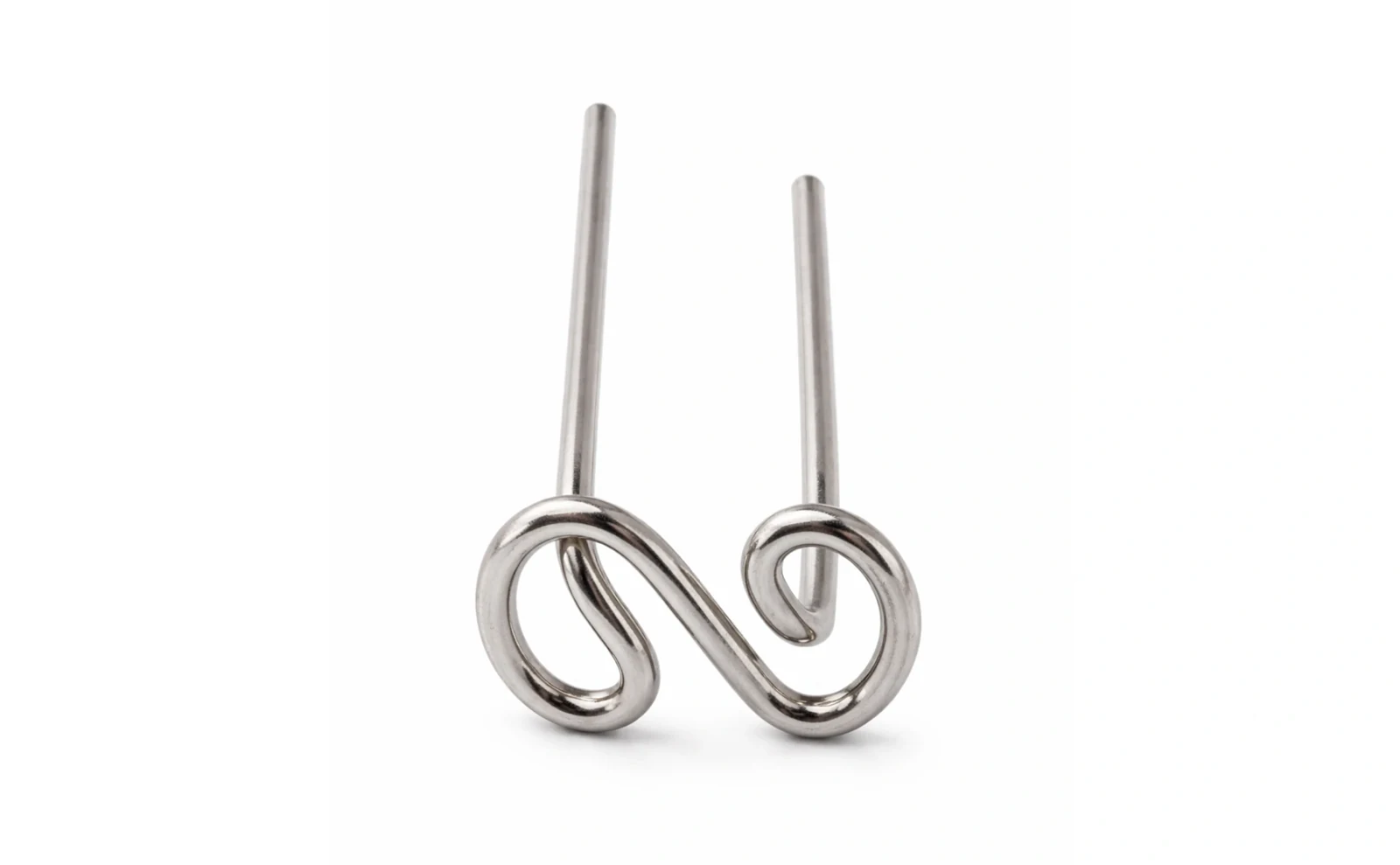
99.95% · 3–5 weeks
Tungsten Filament
Precision-wound tungsten filaments and coils for ion implanters, electron guns and vacuum furnace heaters.
View details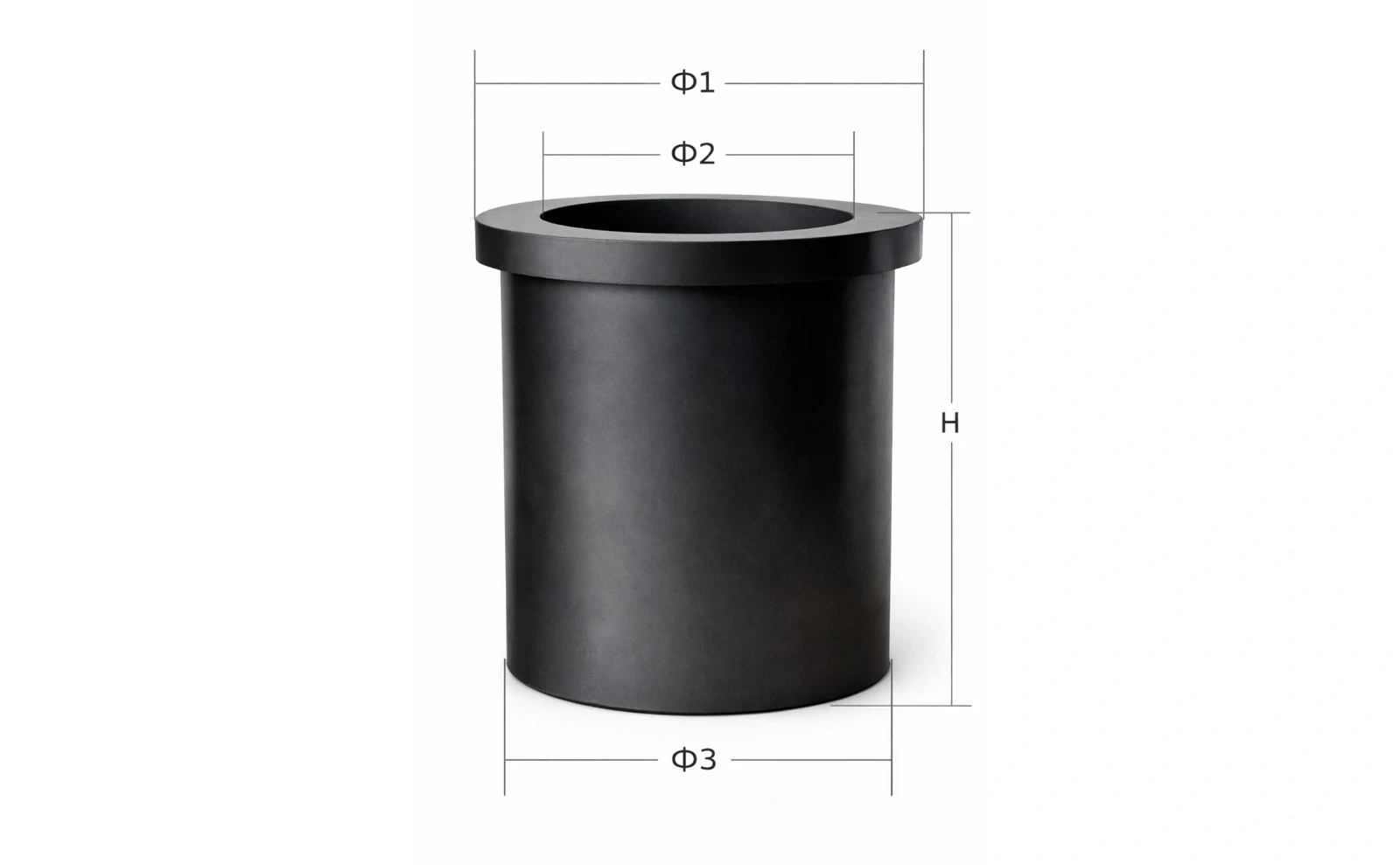
≤ 20 ppm ash (high purity ≤ 5 ppm) · 3–5 weeks
Graphite Crucible
Fine-grain isostatic graphite crucibles, including porous grades, machined to your drawing in Europe.
View detailsAlso searched as: W crucible, tungsten melting crucible, sapphire growth crucible, high temperature crucible.