
Materials
Evaporation Materials for E-Beam & Thermal Deposition
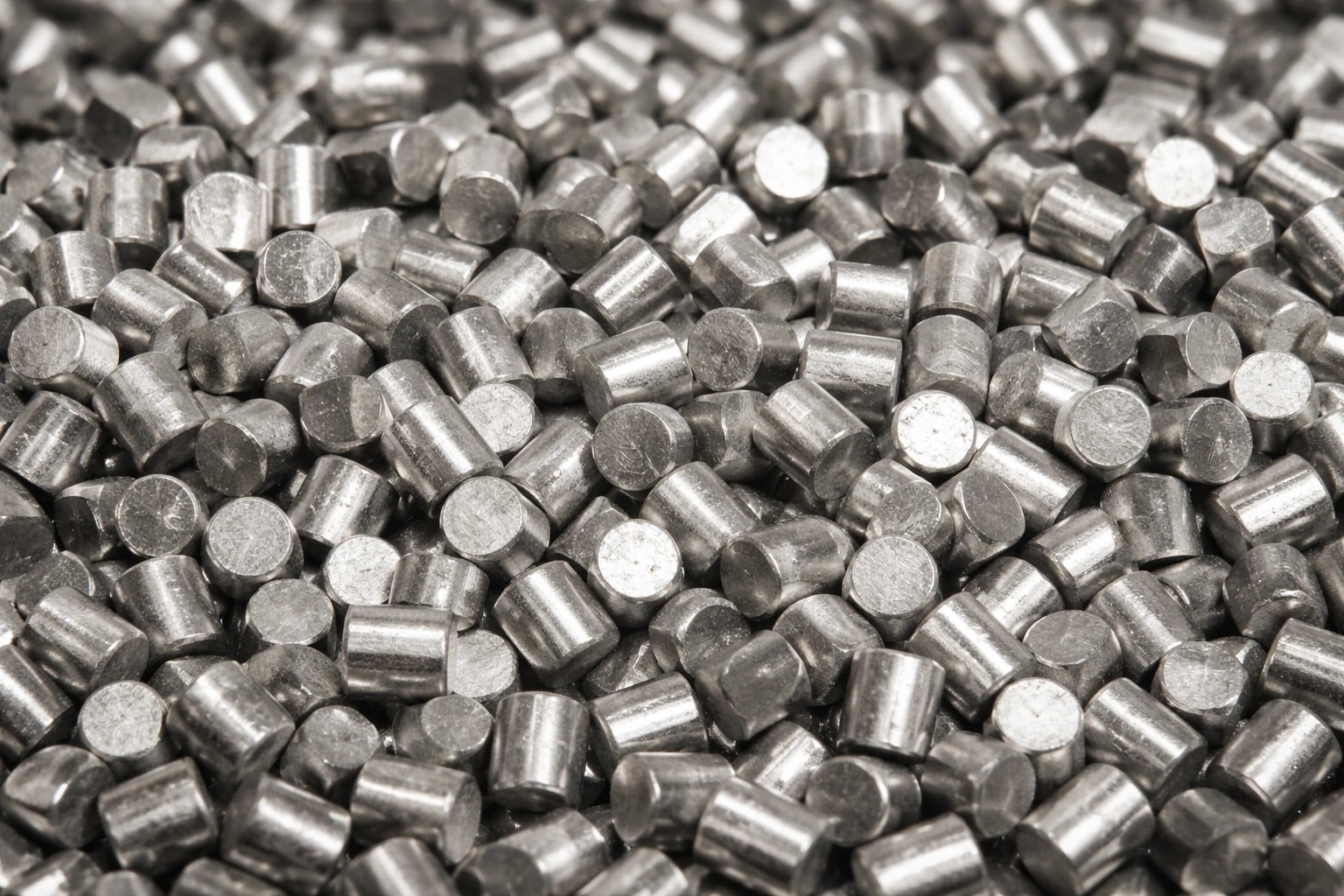
Pellets, slugs, shot, corn and wire in 4N and 5N purity — sized to your crucible and hearth, supplied from Europe.
- Purity range
- 99.99% – 99.999% (4N – 5N)
- Forms
- Pellets, slugs, shot, corn, wire, foil
- Pellet sizes
- Ø3 – 12 mm standard, custom on request
- Materials
- Al, Ag, Au, Cr, Cu, Ni, Co, Ti and alloys
Purity up to 99.999%
5N material with certificate of analysis
Quote within 24 h
Technical review by materials engineers
Shipped from Europe
Dispatched inside the EU, customs handled at our end
Custom dimensions
Built to your tool and bonding spec
Range
Evaporation Materials we supply
Every item below is made to order — dimensions, purity and bonding are yours to specify.
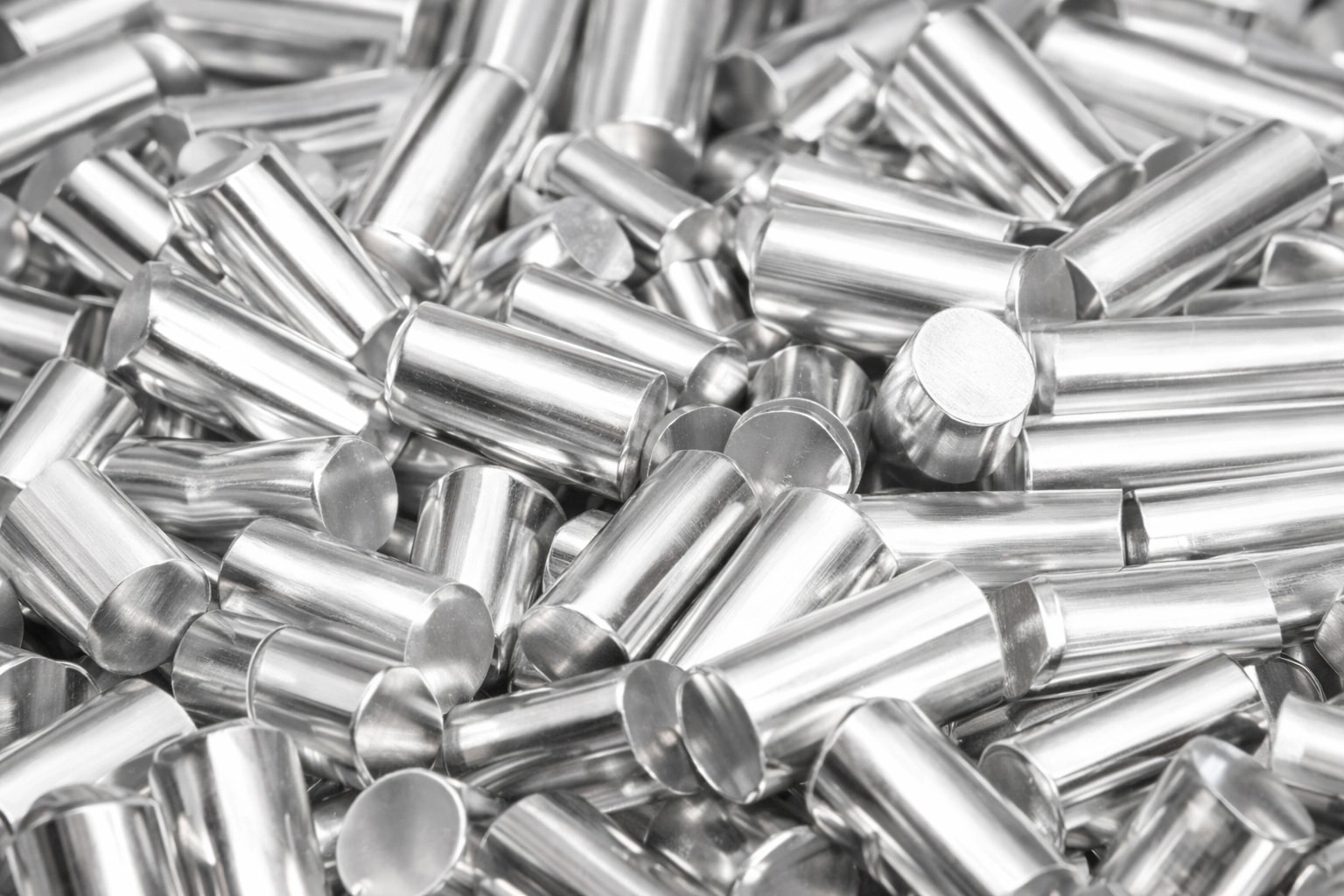
99.995% (4N5) · 2–3 weeks
Aluminium Evaporation Pellets
Clean, oxide-free aluminium pellets sized for e-beam crucibles and tungsten boats, supplied with a certificate of analysis.
Specs and quote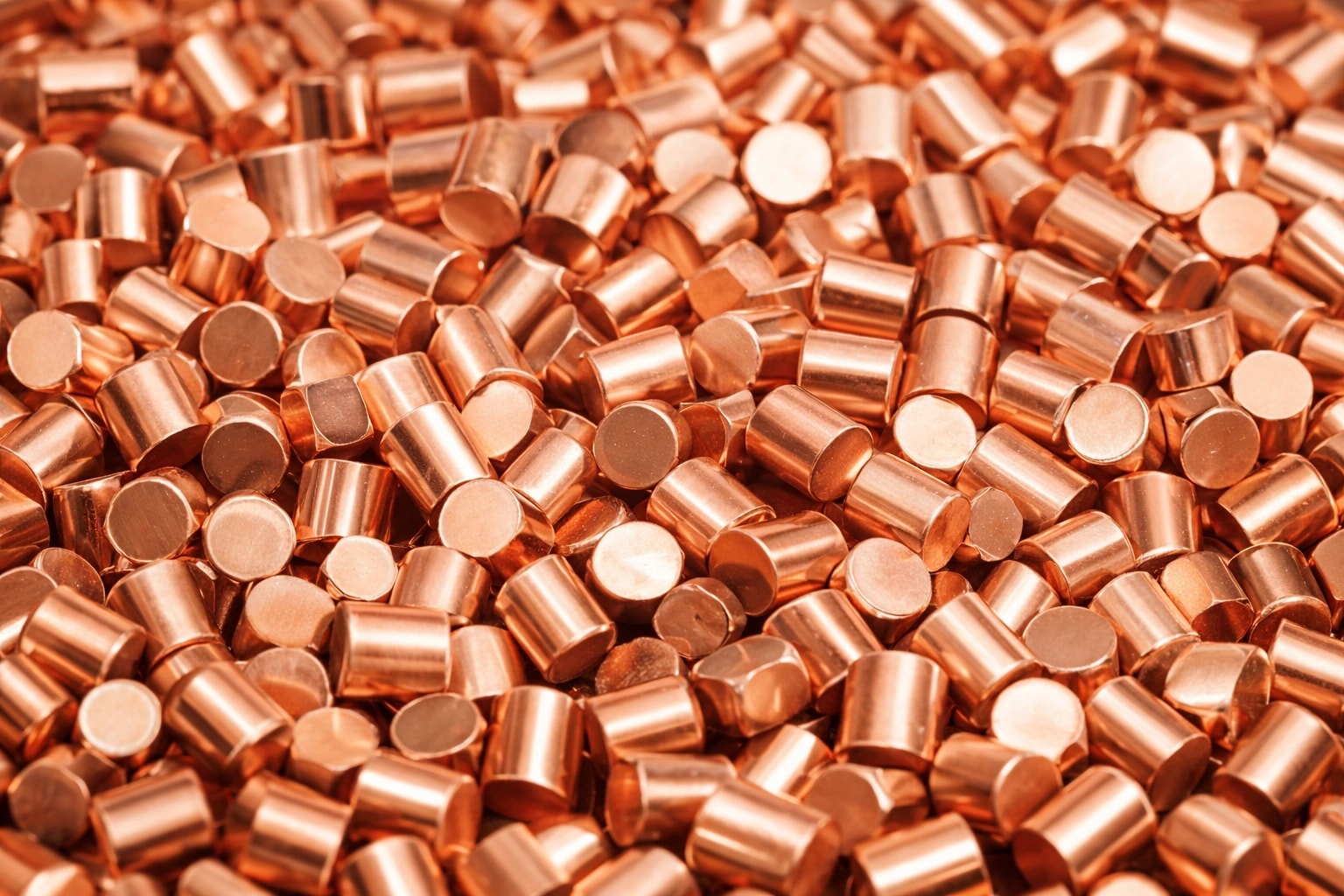
99.995% (4N5) · 2–3 weeks
Copper Evaporation Pellets
Oxygen-free copper pellets for conductive and seed-layer evaporation, cleaned and vacuum packed for a stable rate.
Specs and quote99.995% (4N5) · 3–4 weeks
Titanium Evaporation Pellets
Low-oxygen titanium pellets for adhesion layers, barrier films and titanium sublimation pumping.
Specs and quote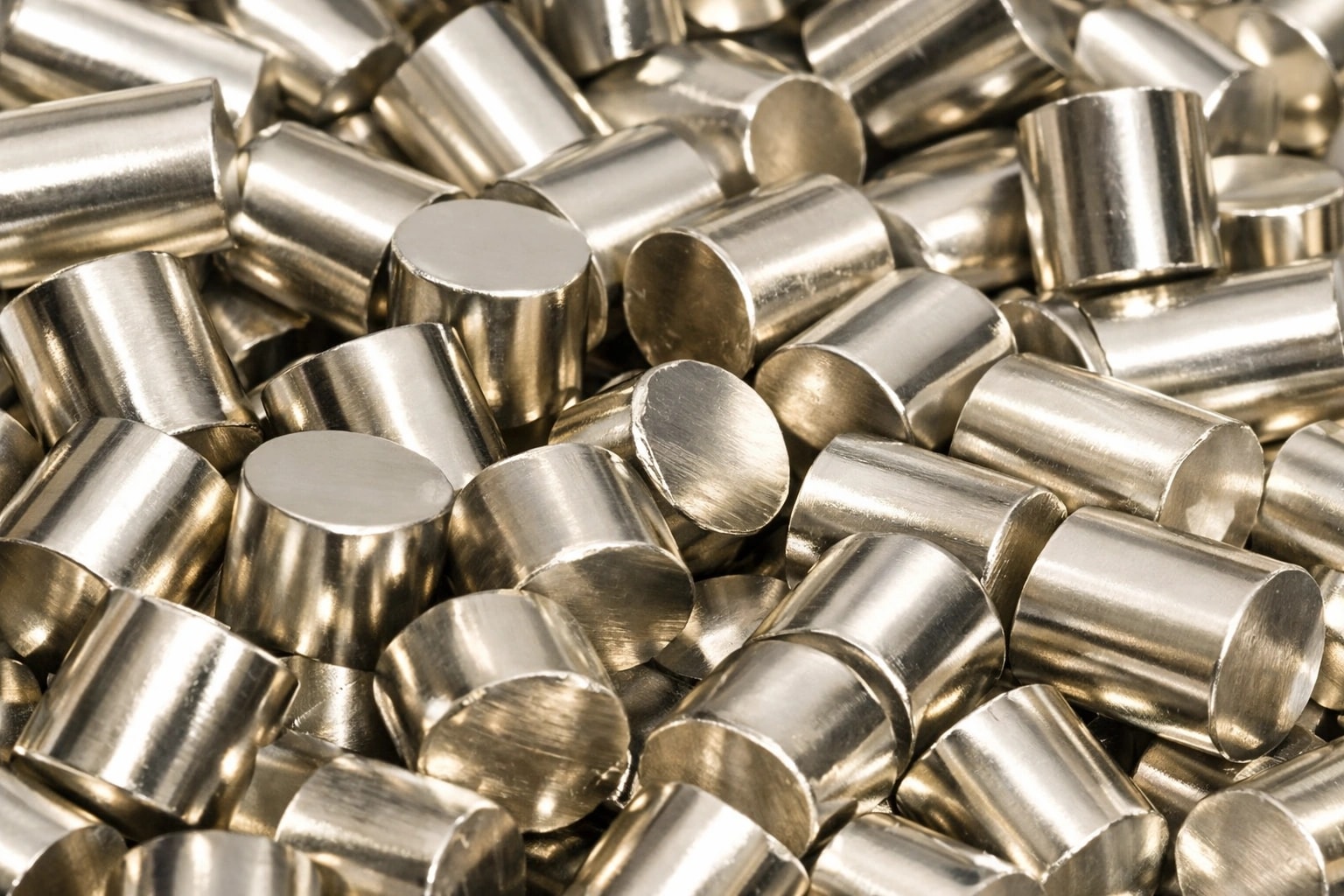
99.95% (3N5) / 99.995% (4N5) · 3–4 weeks
Nickel Evaporation Pellets
High-purity nickel pellets for magnetic thin films, under-bump metallisation and corrosion barrier layers.
Specs and quote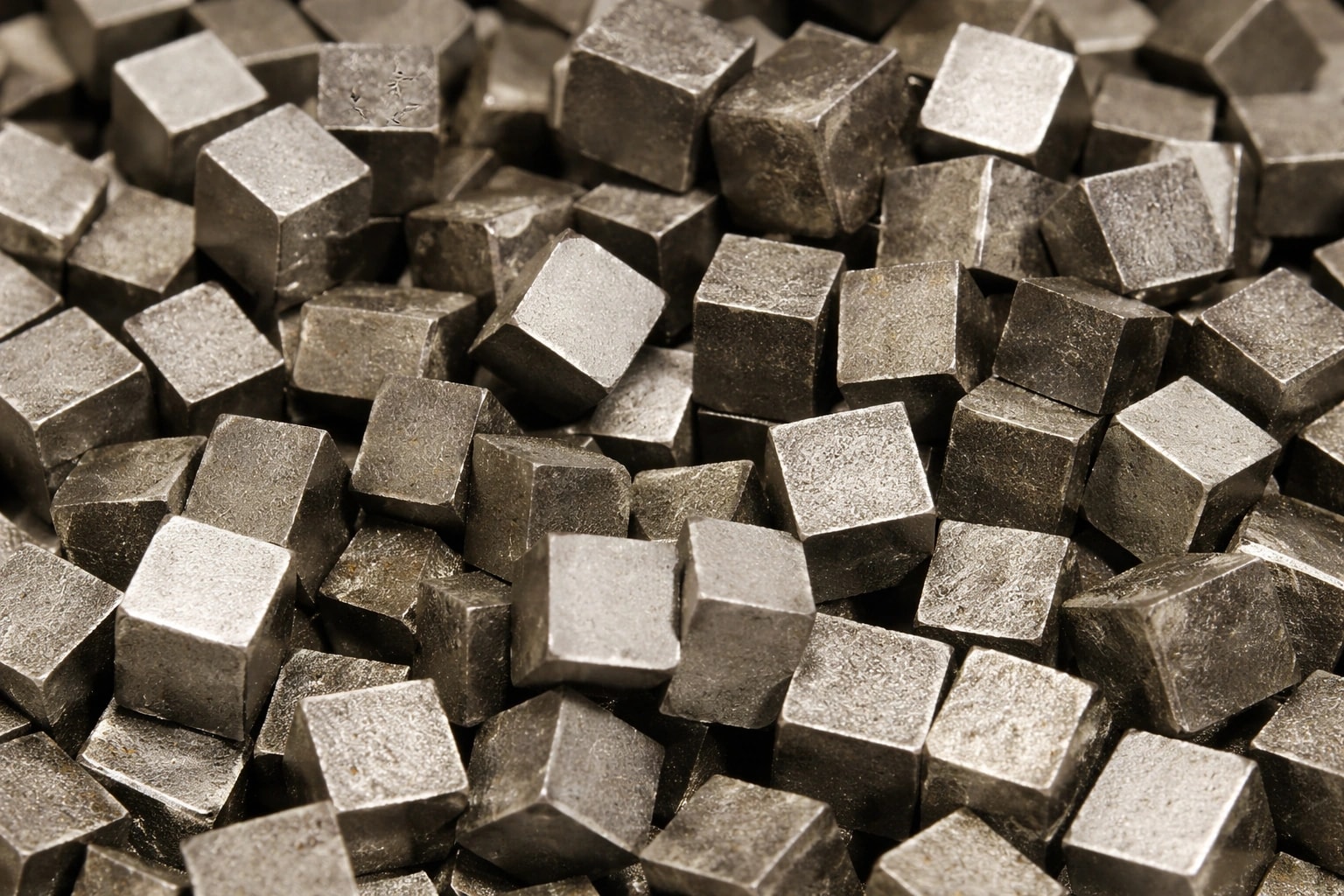
99.995% (4N5) · 3–5 weeks
Cobalt Evaporation Shot
High-purity cobalt shot for magnetic recording, spintronic and silicide layers, with tightly controlled Ni and Fe content.
Specs and quote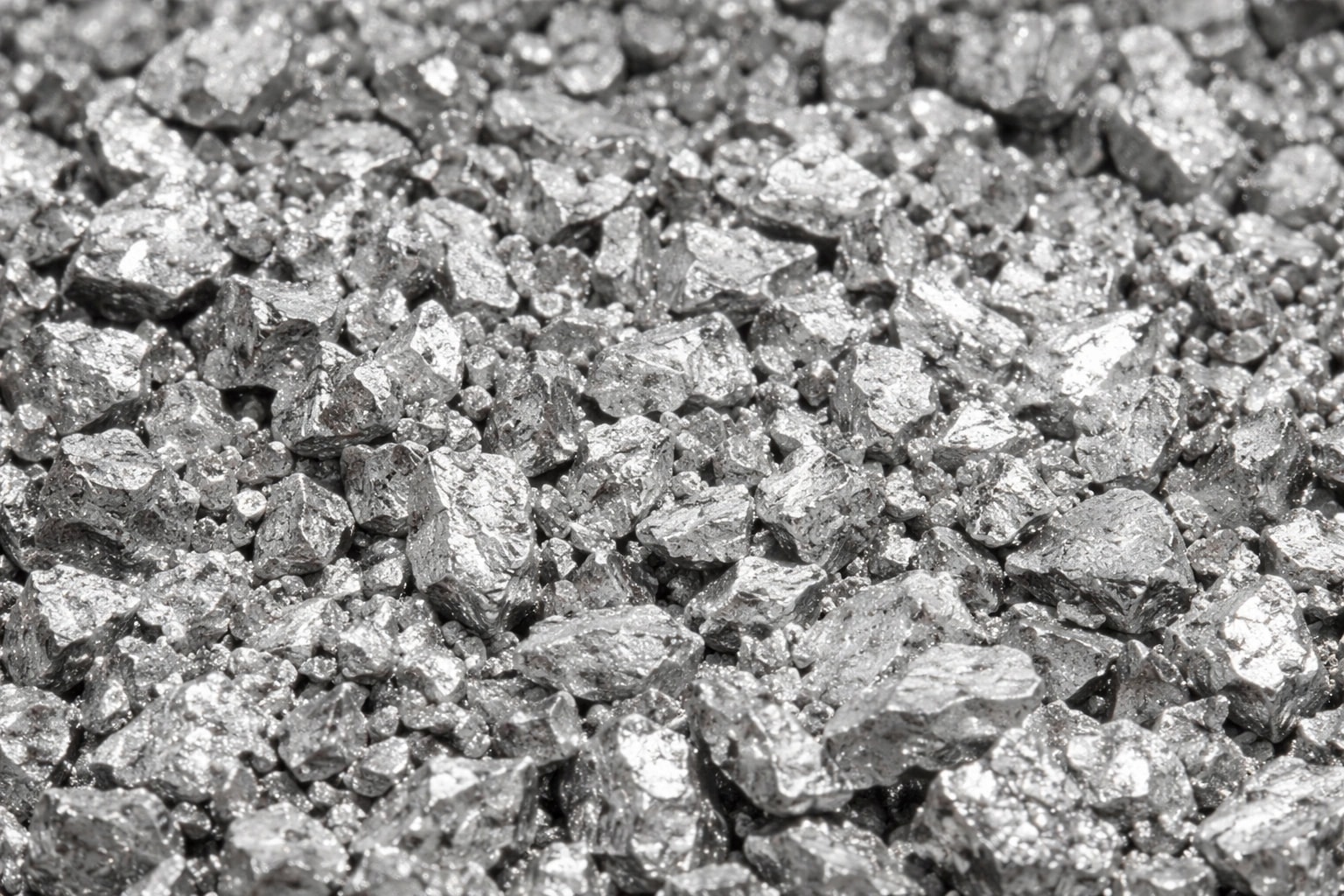
99.99% (4N) · 2–4 weeks
Chromium Evaporation Shot
High-purity chromium shot for adhesion layers, photomask blanks and decorative hard coatings.
Specs and quote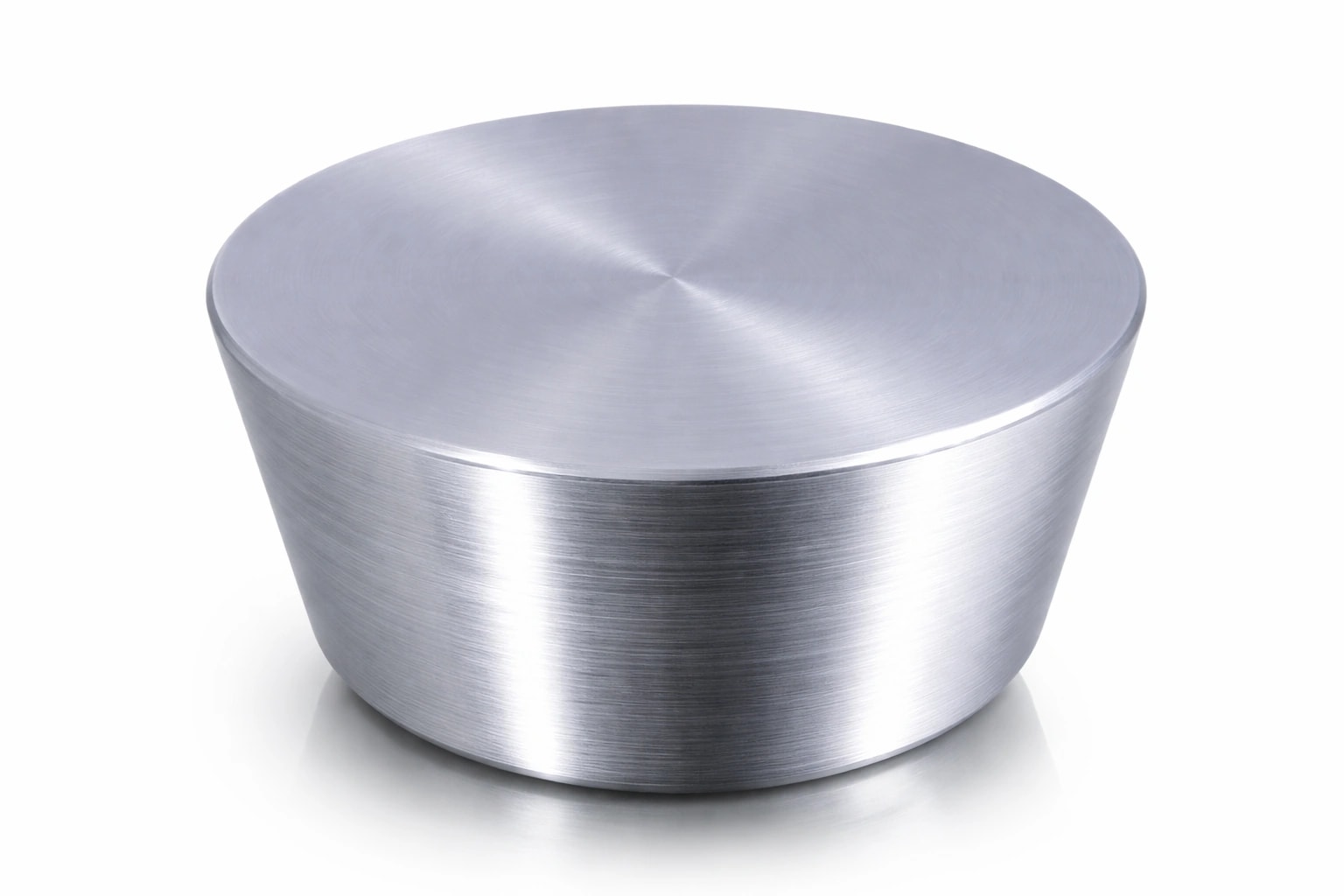
99.99% (4N) · 2–4 weeks
Chromium Evaporation Corn
Coarse granular chromium for baffled box sources — a larger charge and fewer chamber openings on long production runs.
Specs and quoteWhat matters when you specify evaporation materials
Evaporation deposits thin films by heating a source material until it evaporates and condenses on the substrate. It is simpler and cheaper than sputtering, gives high deposition rates, and is the standard method for optical coatings, metallisation and lift-off processes where directionality is an advantage rather than a problem.
The form of the source material is not a cosmetic choice. Pellet or slug size has to match the crucible: too small and the charge melts unevenly and spits, too large and it will not fit or sit properly in the hearth. Shot and corn suit box sources and materials that sublime. Wire feeds continuous-evaporation systems. Getting the form right is most of the practical difference between clean runs and constant troubleshooting.
Purity in the source transfers almost directly into the film, because evaporation does not fractionate most contaminants away. Oxygen content matters particularly: an oxidised charge spits during melting, degrades film resistivity and, in optical coatings, shifts absorption. This is why we specify and control oxygen content rather than only quoting a metals-basis purity figure.
We supply both the source materials and the sources themselves — tungsten boats, graphite and tungsten crucibles, and liners — so the material and the hardware are matched from the start rather than assembled from two suppliers' assumptions.
How to choose
Pellets, shot, corn or wire?
Pellets and slugs are the general-purpose choice for e-beam hearths, sized to the crucible. Shot suits smaller hearths and gives an even melt. Corn — coarser granules — is for baffled box sources and long runs where fewer recharges matter. Wire feeds continuous evaporation systems.
E-beam or thermal?
Thermal evaporation from a resistively heated boat is cheap and simple, and works for materials evaporating below roughly 1500 °C — aluminium, silver, gold, chromium. E-beam heats the charge directly with an electron beam and handles refractory materials the boat cannot reach, with less contamination from the source itself.
Matching charge to crucible
Charge volume should fill the crucible to roughly two-thirds when molten. Underfilled crucibles give unstable rates and beam interaction with the crucible wall; overfilled ones spit and overflow. Tell us the crucible dimensions and we will size the pellets rather than leaving you to guess.
Why oxygen content matters
Oxidised source material spits on melting, throwing droplets into the film, and raises resistivity in metal layers. For optical coatings it shifts absorption. We control and state oxygen content separately from metals-basis purity, because a 4N5 figure alone tells you nothing about it.
Manufacturing capability
The envelope we work within. If your requirement sits outside it, ask anyway — most limits here are standard-product limits, not process limits.
| Purity range | 99.99% – 99.999% (4N – 5N) |
|---|---|
| Forms | Pellets, slugs, shot, corn, wire, foil |
| Pellet sizes | Ø3 – 12 mm standard, custom on request |
| Materials | Al, Ag, Au, Cr, Cu, Ni, Co, Ti and alloys |
| Sources supplied | W boats, graphite and W crucibles, liners |
| Documentation | Certificate of analysis with oxygen content |
Evaporation Materials — frequently asked
What is the difference between evaporation and sputtering materials?
Evaporation materials are loose charges — pellets, shot, wire — that melt and evaporate in a crucible or boat. Sputtering targets are solid bonded plates eroded by ion bombardment. Evaporation is faster and cheaper with better material utilisation; sputtering gives better adhesion, step coverage and composition control on alloys.
What pellet size should I order?
It follows the crucible, not the material. The charge should fill roughly two-thirds of the crucible volume when molten. Send us the crucible dimensions and the material and we will specify the pellet size — this is the single most common cause of spitting and rate instability, and it is easily avoided.
Do you supply the crucibles and boats as well?
Yes — tungsten boats, tungsten and graphite crucibles, and liners, all made to your source geometry. Buying material and hardware together means the pellet size, crucible volume and boat geometry are matched from the start, which is normally where the practical problems come from.
Can you supply alloy evaporation materials?
Yes, though alloys behave differently in evaporation than in sputtering: components with different vapour pressures evaporate at different rates, so film composition drifts through a run. Tell us the film composition you need and we will advise whether a single alloy charge, co-evaporation or sputtering is the better route.
Request a quote for evaporation materials
Send your specification and a materials engineer will price it — not a sales form auto-reply. Quotes for evaporation materials are returned within 24 hours.
Drawings, STEP files and photographs can be attached to the form. Prefer to talk it through? Leave a phone number and ask for a call.
What to include
- Material, grade and purity you need
- Dimensions, tolerances or a drawing
- Quantity and the date you need it
No drawing? Send photographs of the worn part — we can work from that.
Also manufactured
Other materials we make in Europe
Same certificate of analysis, same quote turnaround, one supplier.
99.99% – 99.999% (4N – 5N)
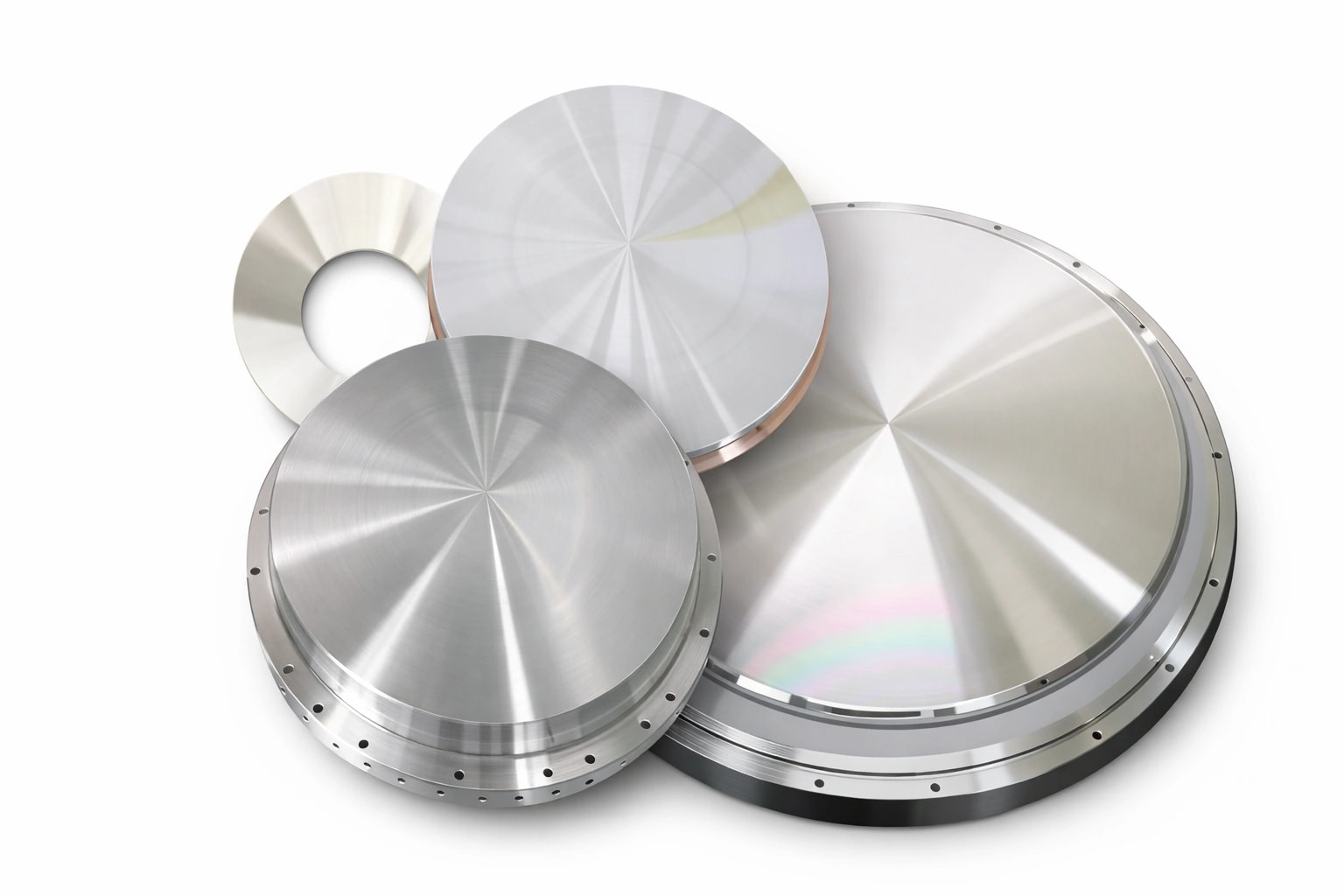
Sputtering Targets
High-purity planar, rotary and custom sputtering targets, qualified against our European standards and shipped from inside the EU with a certificate of analysis on every plate.
Specifications & quote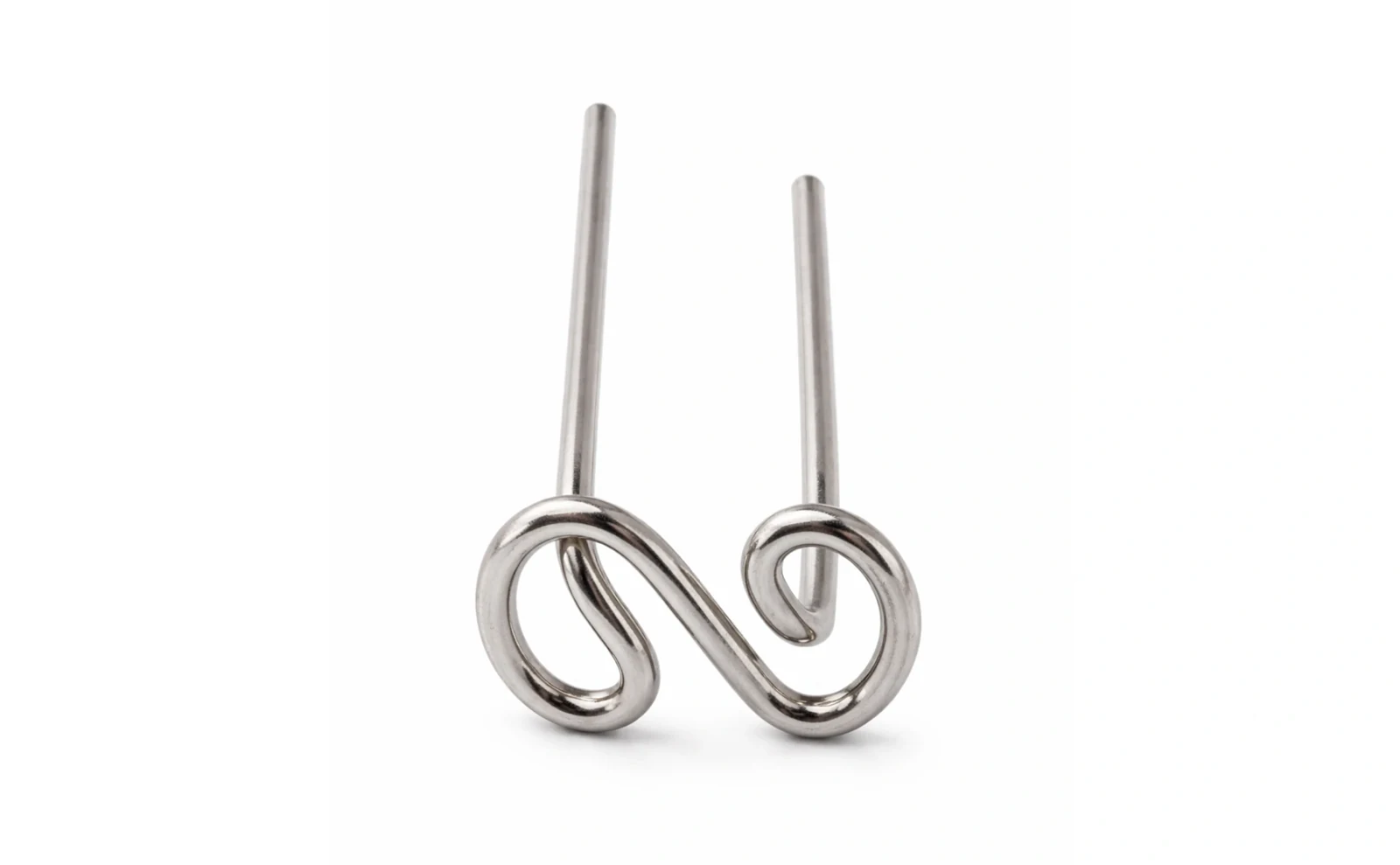
99.95% W minimum, doped (AKS) available
Tungsten Components
Tungsten boats, crucibles, filaments, pins and electrodes at 99.95% purity — formed, wound and machined to your drawing in Europe.
Specifications & quote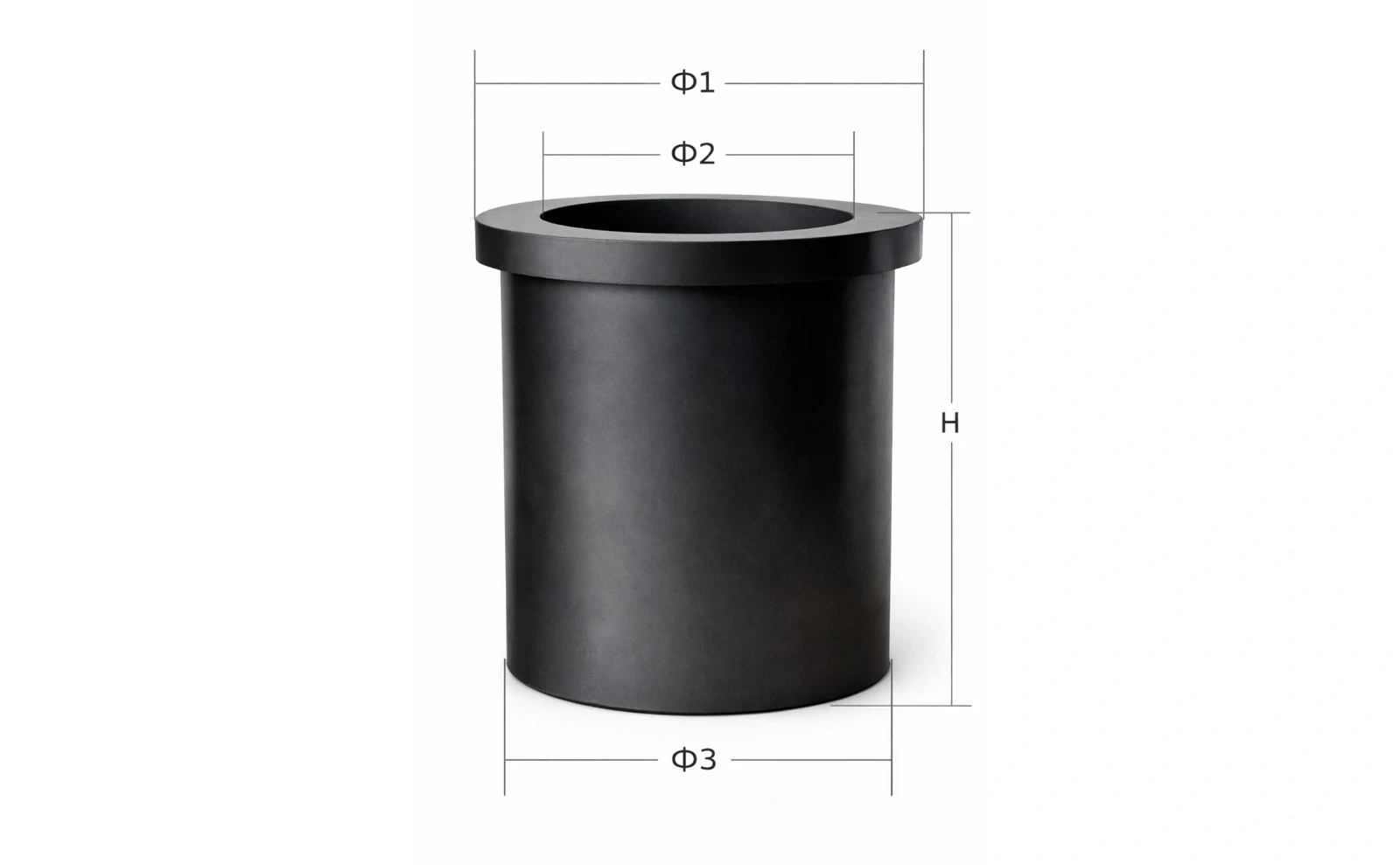
Isostatic graphite, fine and ultra-fine grain
Graphite Components
Isostatic graphite parts machined to drawing in Europe — crucibles, saggers, susceptors, fixtures and porous components, down to 5 ppm ash.
Specifications & quoteTechnical guides
Read before you specify
Written by the engineers who quote these parts, not by a content agency.
8 min read
Electron Beam Evaporation: Pockets, Liners and Materials
How e-beam evaporation works, when it beats thermal evaporation, and how to match pocket size, crucible liner and charge form to Al, Cu, Ti, Ni, Co and Cr.
Read the guide
8 min read
Thin Film Deposition Methods: Sputtering vs Evaporation
Sputtering, thermal evaporation, e-beam and CVD compared — coverage, adhesion, rate and cost, with guidance on which method suits which film and substrate.
Read the guide
9 min read
How to Choose a Sputtering Target Manufacturer: 5 Checks
Measured density, bond coverage, lot-specific purity, repeat lead time and recovery terms: the five checks that separate a target manufacturer from a reseller.
Read the guideAlso searched as: evaporation materials, evaporation pellets, thermal evaporation materials, e-beam evaporation material, PVD evaporation sources.