
Metal recovery
Ruthenium Recovery, Refining & Waste Recycling
Ruthenium is the scarcest of the platinum group metals in supply terms — recovering yours is usually worth considerably more than you expect.
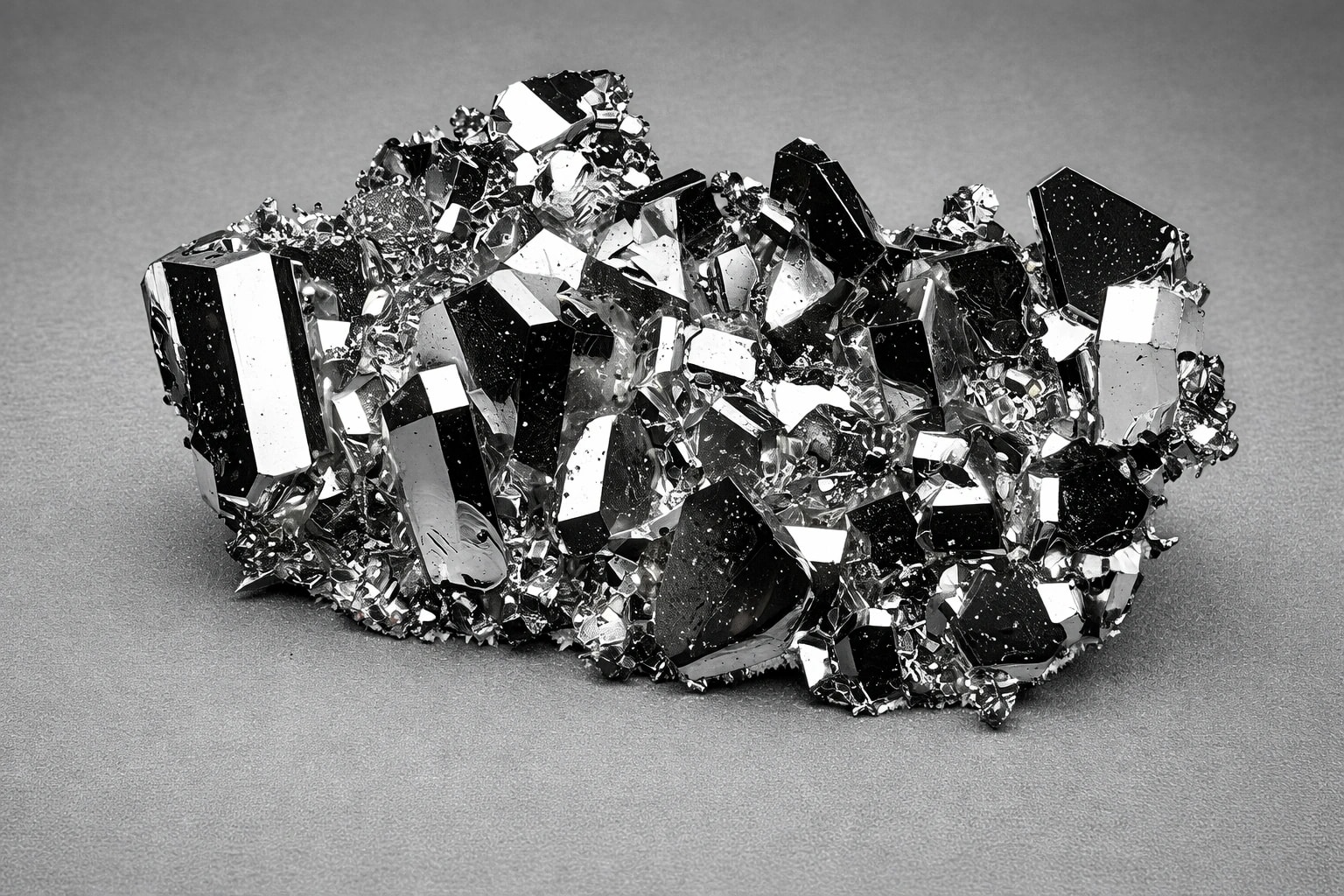
- Refined output
- 99.95% (3N5) refined output
- Settlement
- 15 working days
- Assay
- Full report supplied
- Collection
- Across Europe
Ruthenium-bearing material we accept
- Spent ruthenium sputtering targets and target bonding plates
- DSA and MMO electrodes from chlor-alkali production
- Spent ruthenium catalyst from ammonia synthesis and hydrogenation
- Hard disk and semiconductor process residues
- Ruthenium-containing sludges, filters and wipes
Not sure whether your material qualifies? Send a photograph and an approximate weight through the valuation form — we will tell you within 24 hours whether it is worth refining.
Why ruthenium recovery is worth doing
Ruthenium production is almost entirely a by-product of platinum and palladium mining in South Africa. Annual primary supply is small and inelastic — it cannot be increased in response to demand, because nobody mines ruthenium on its own. That structural scarcity is why the price moves sharply and why recovery matters more for ruthenium than for almost any other PGM.
Demand has been pushed hard by two industries. Hard disk drives use ruthenium in the magnetic layer stack, and semiconductor manufacturers are moving to ruthenium interconnects as copper reaches its scaling limits at advanced nodes. Both consume ruthenium as sputtering targets, and both generate spent targets that still hold most of their original metal.
A spent sputtering target typically retains 60–70% of its original ruthenium: only the eroded racetrack is gone. If those targets are being scrapped or stockpiled rather than refined, that is working capital sitting in a cupboard.
The refining process, step by step
- 1
Collection and sealing
We arrange collection across Europe, with sealed and numbered containers. You receive documented chain of custody from the moment the material leaves your site.
- 2
Weighing and homogenisation
Material is weighed in, then crushed and homogenised so that a representative sample can be drawn. You are welcome to attend, and we will hold an umpire sample on request.
- 3
Assay
ICP-OES and fire assay determine ruthenium content. You receive the full analytical report, not just a headline number — including the assay of any accompanying PGMs.
- 4
Refining
Ruthenium is separated by oxidative distillation as RuO₄ and reduced to metal powder or sponge at 99.95% purity.
- 5
Settlement
Payment at the agreed LPPM-referenced price within 15 working days of assay agreement — or we return the refined metal, or credit it against new targets.
Where ruthenium is used
Knowing the application usually tells us where the metal ends up — and therefore what is worth collecting.
- Sputtering targets for hard disk magnetic layers and semiconductor interconnects
- Dimensionally stable anodes (DSA) for chlor-alkali and electroplating
- Catalysts for ammonia synthesis, hydrogenation and Fischer-Tropsch
- Thick-film resistor pastes in electronics
- Ruthenium-based dyes for solar cells and electrochemistry
Ruthenium recovery — frequently asked
How much ruthenium is left in a spent sputtering target?
Typically 60–70% of the original charge. Magnetron erosion only consumes the racetrack; the rest of the plate is untouched metal. On a ruthenium target, that residual is worth a substantial sum — which is why spent targets should never go to general scrap.
Do you recycle ruthenium waste as well as spent targets?
Yes. Ruthenium waste recycling covers sludges, filters, wipes, grinding swarf and process residues as well as targets, anodes and catalyst. Low-grade waste has to be dried and homogenised before a representative sample can be drawn, so it takes a little longer, and we tell you before collection whether the ruthenium content justifies the refining charge.
Do you charge for sampling and assay?
No. Collection, weighing, homogenisation and assay are included in the refining terms for commercial quantities. What you see on the settlement is the metal value less the agreed refining charge, with the assay report supplied in full.
How long does ruthenium refining take?
From receipt to settlement, normally 15 working days once the assay is agreed. Complex catalyst and low-grade sludge material can take longer because it needs more preparation before a representative sample can be drawn — we tell you which category your material falls into up front.
Can I take payment in metal instead of cash?
Yes. Many customers prefer a metal account or credit against new sputtering targets, which avoids selling into a weak market and removes the price risk of buying replacement metal later. We can hold refined ruthenium to your account or deliver it as finished targets.
Send us your ruthenium-bearing material
Spent targets, catalyst, electrodes, sludge or sweepings — if it contains ruthenium, we will assay it and tell you exactly what is in there. Indicative valuation within 24 hours.
Drawings, STEP files and photographs can be attached to the form. Prefer to talk it through? Leave a phone number and ask for a call.
What to include
- Material type and rough composition
- Approximate weight and number of containers
- Whether you want cash settlement or credit
No drawing? Send photographs of the worn part — we can work from that.
New material
Sputtering targets and components we manufacture
Recovery value can be credited against new material — qualified in Europe, accountable in Europe, built to your specification.
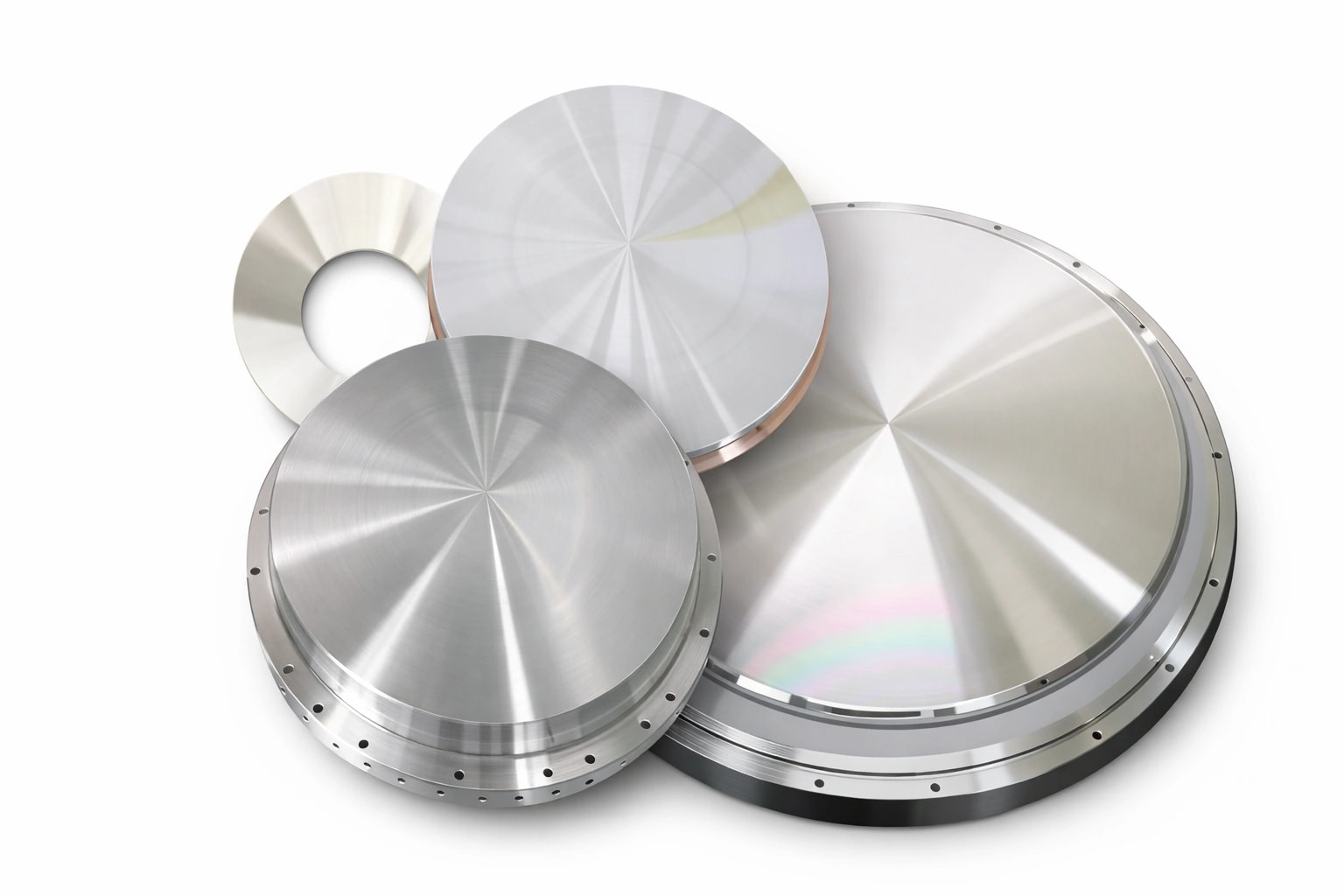
99.99% – 99.999% (4N – 5N)
Sputtering Targets
High-purity planar, rotary and custom sputtering targets, qualified against our European standards and shipped from inside the EU with a certificate of analysis on every plate.
Specifications & quote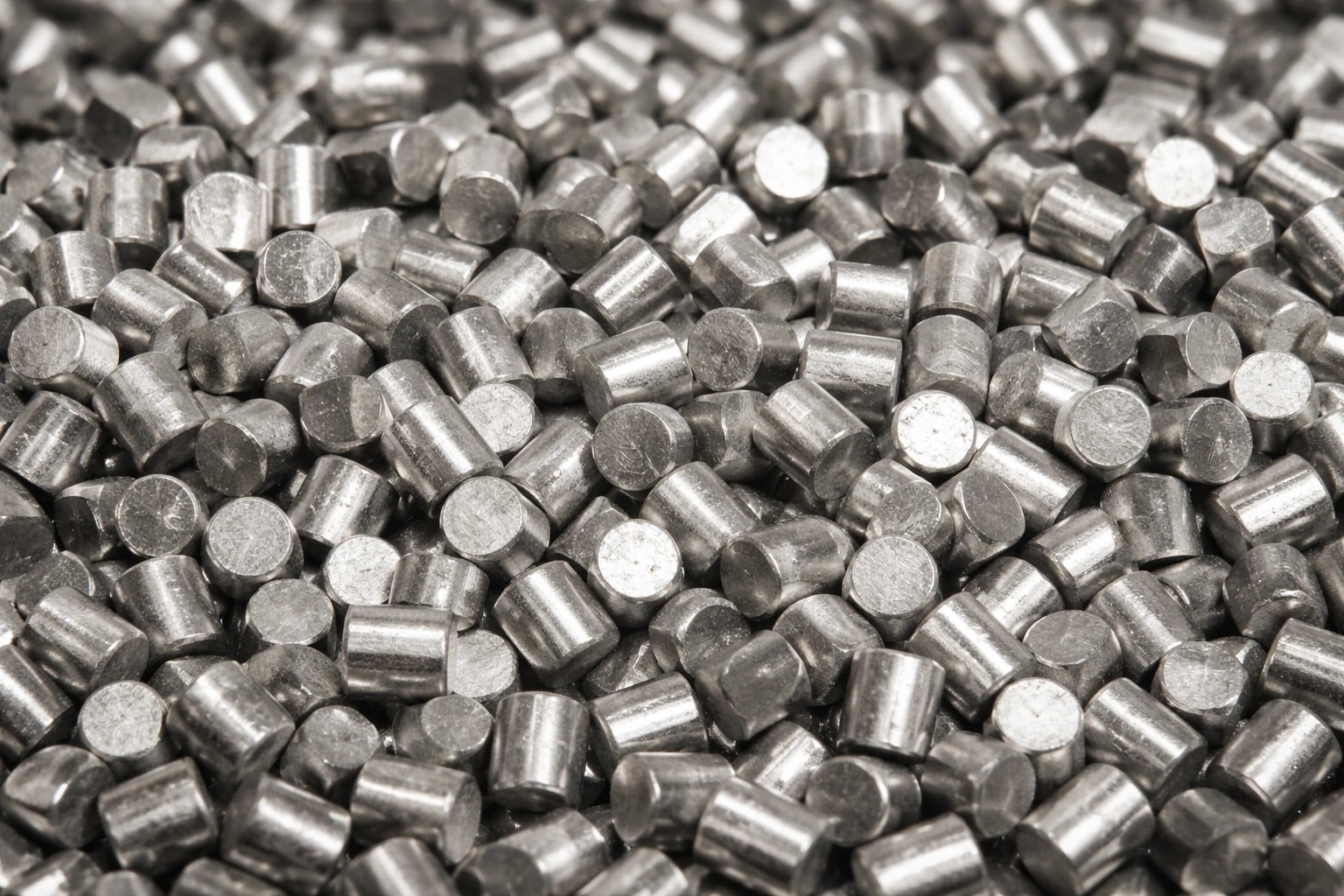
99.99% – 99.999% (4N – 5N)
Evaporation Materials
Pellets, slugs, shot, corn and wire in 4N and 5N purity — sized to your crucible and hearth, supplied from Europe.
Specifications & quote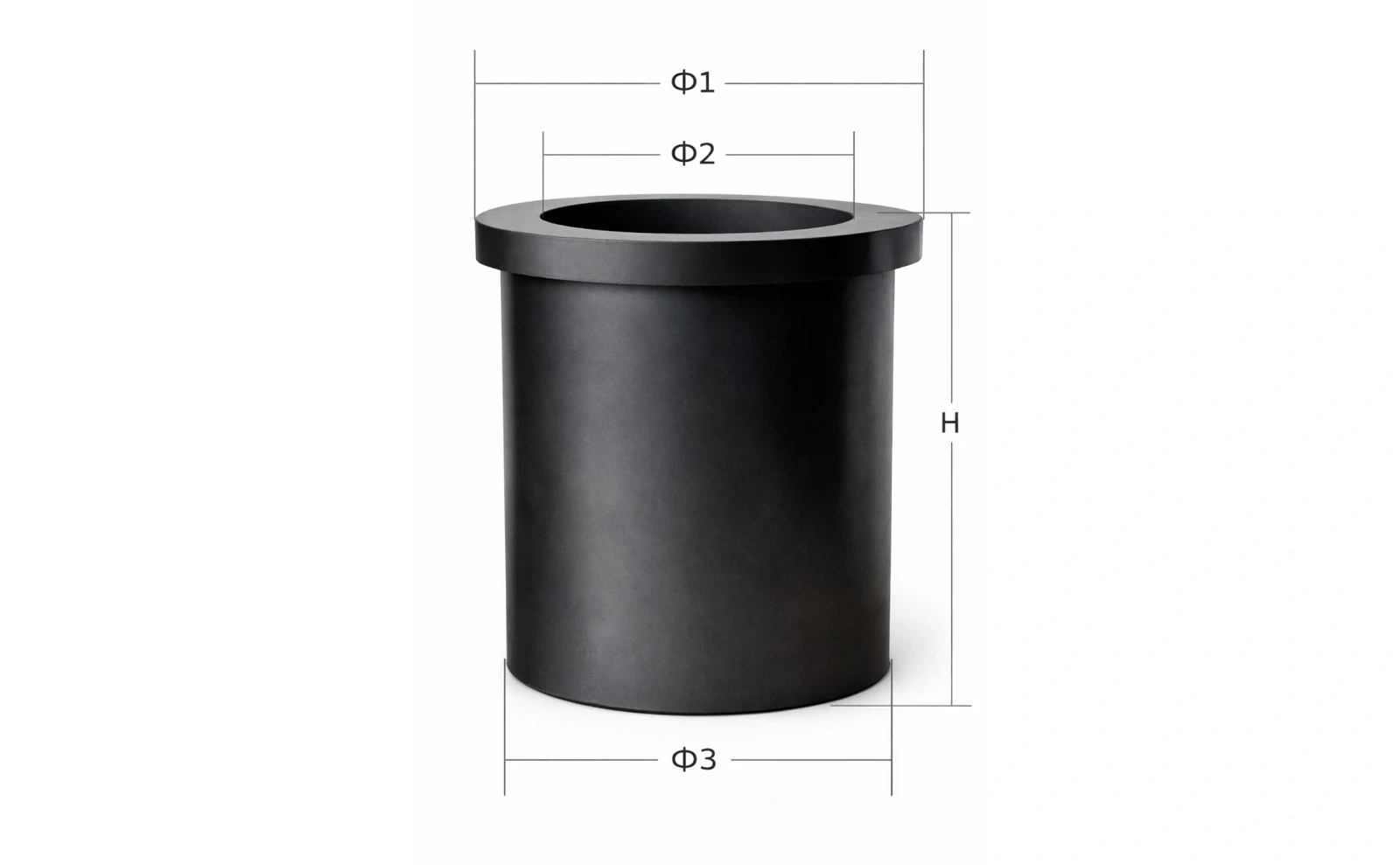
Isostatic graphite, fine and ultra-fine grain
Graphite Components
Isostatic graphite parts machined to drawing in Europe — crucibles, saggers, susceptors, fixtures and porous components, down to 5 ppm ash.
Specifications & quoteOther metals we recover
Mixed material is normal. We assay and settle each metal separately.
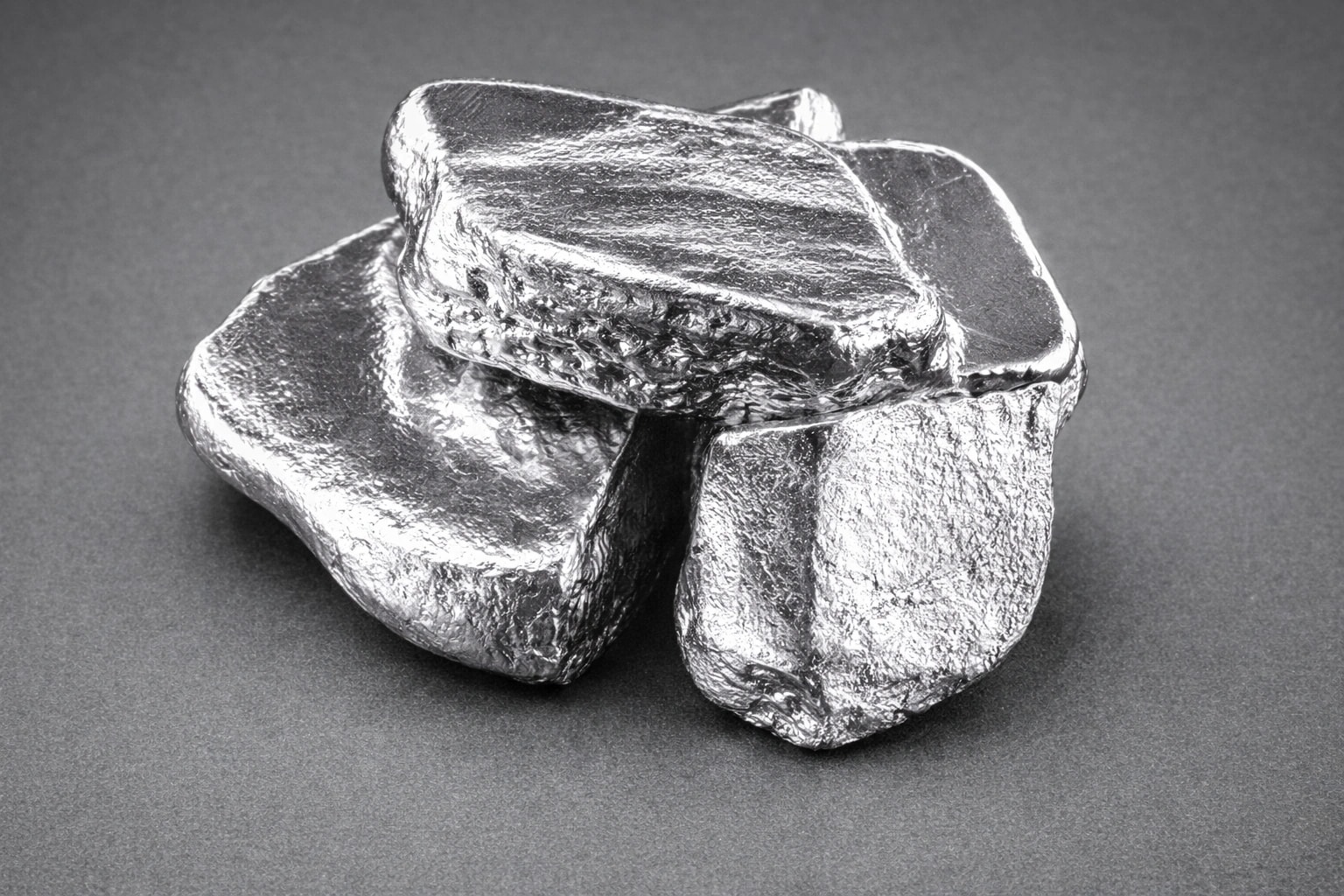
Rh
Rhodium recovery
Rhodium is the most valuable of the platinum group metals — small quantities of spent catalyst are often worth recovering on their own.
Recovery terms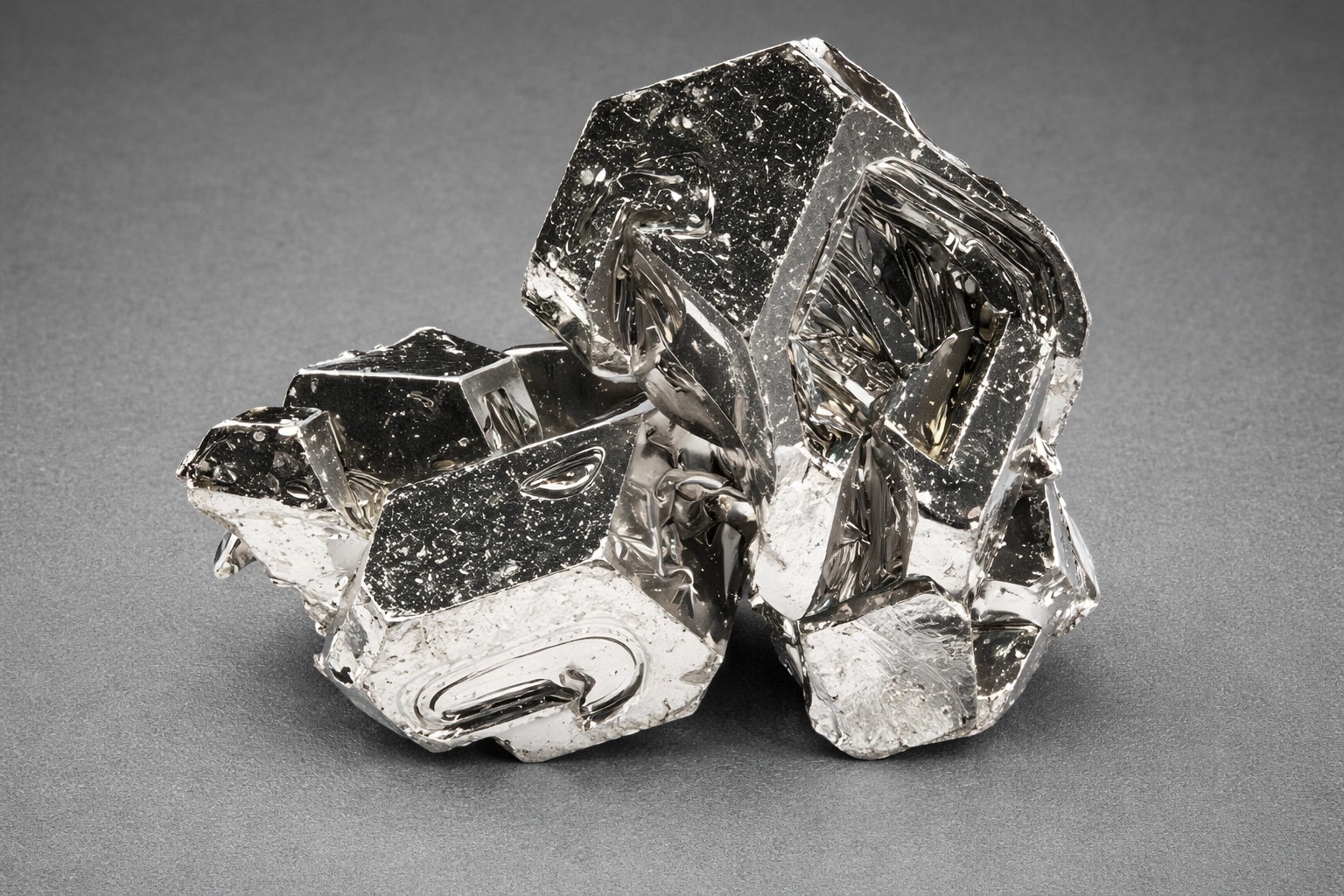
Pd
Palladium recovery
Palladium moves through catalyst, electronics and thin films in large volumes — and most of it can be recovered at high yield.
Recovery terms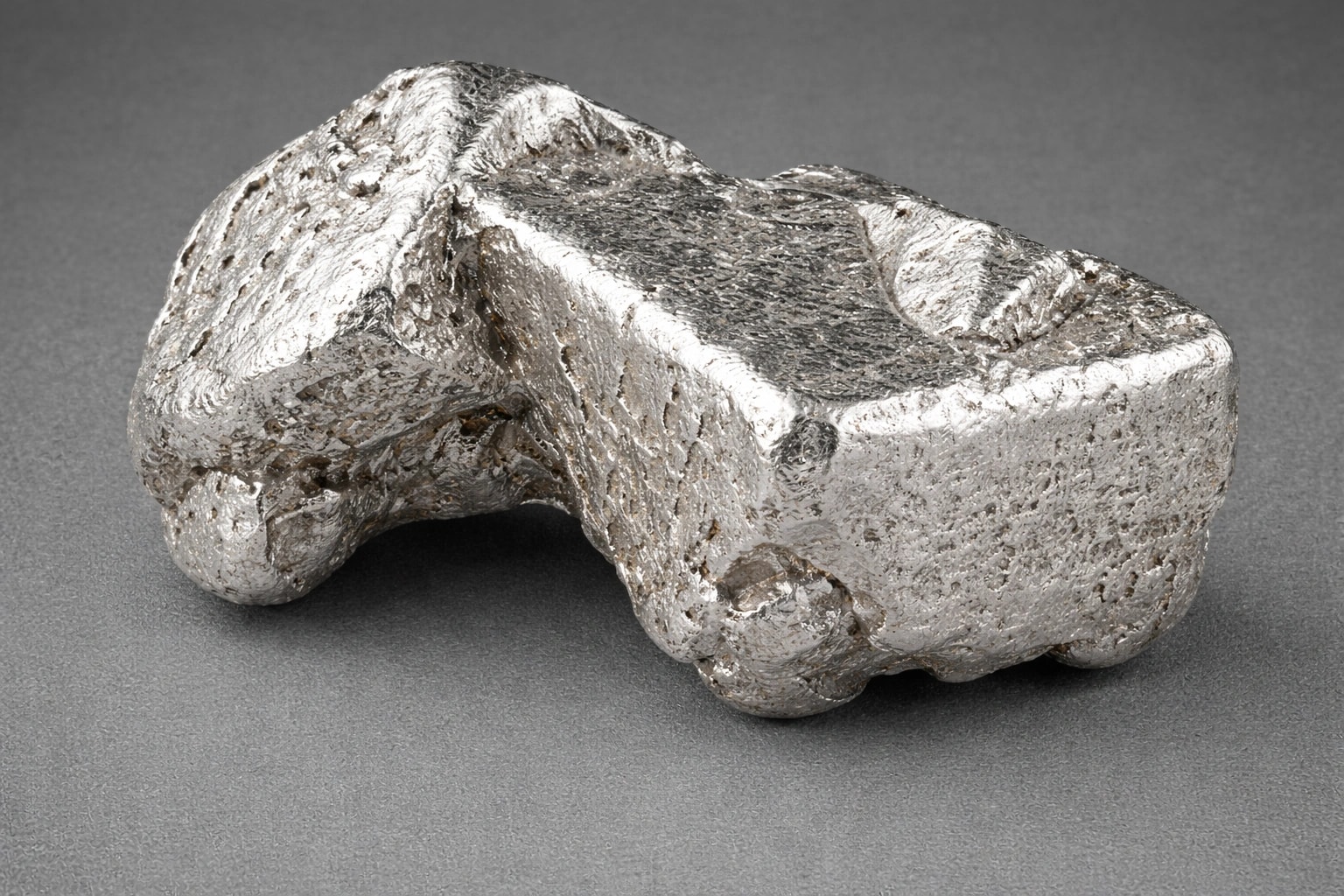
Pt
Platinum recovery
Platinum labware and process metal is a capital asset, not a consumable — worn and damaged pieces retain essentially their full metal value.
Recovery termsAlso searched as: ruthenium recovery services, Ru refining, ruthenium waste recycling, ruthenium recycling, spent ruthenium target recovery, ruthenium catalyst recycling.