
Metal recovery
Platinum Recovery, Refining & Buy-Back
Platinum labware and process metal is a capital asset, not a consumable — worn and damaged pieces retain essentially their full metal value.
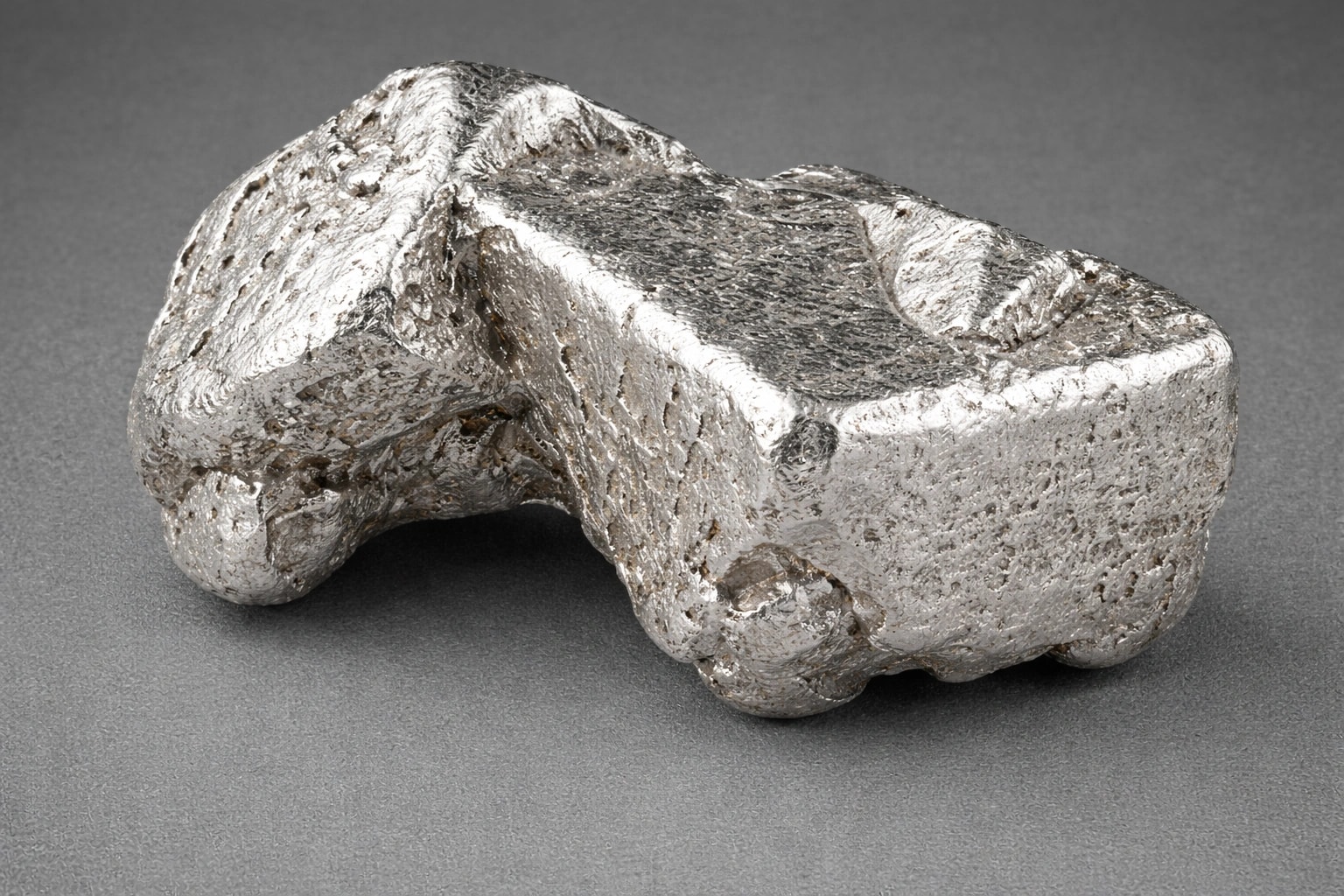
- Refined output
- 99.95% (3N5) refined output
- Settlement
- 15 working days
- Assay
- Full report supplied
- Collection
- Across Europe
Platinum-bearing material we accept
- Worn and damaged platinum crucibles, dishes and fusion ware
- Spent catalyst gauze from ammonia oxidation and nitric acid production
- Pt and Pt/Rh thermocouple wire and spent sensors
- Platinum sputtering targets and evaporation material
- Glass fibre bushings, spinnerets and high-temperature tooling
Not sure whether your material qualifies? Send a photograph and an approximate weight through the valuation form — we will tell you within 24 hours whether it is worth refining.
Why platinum recovery is worth doing
The important thing to understand about platinum labware is that damage does not destroy value. A crucible that has been dented, thinned, distorted or embrittled by lead contamination still contains the platinum it started with. It is worth assay value whatever its condition.
Laboratories routinely hold drawers of unusable platinum ware because nobody is quite sure what to do with it. In many cases that stock, once assayed, covers a substantial share of the cost of replacement pieces — we credit recovered metal directly against new crucibles and wire.
Catalyst gauze from ammonia oxidation is the largest industrial platinum stream. During operation the gauze restructures and loses platinum to the gas stream, which is captured downstream on palladium getter gauze — both the spent gauze and the getter are recoverable, and both should be.
The refining process, step by step
- 1
Valuation
Send photographs and approximate weights and we will give you an indicative value before anything moves. There is no charge for this and no obligation.
- 2
Collection
Sealed, insured containers collected across Europe with documented chain of custody.
- 3
Weighing and assay
Gross and net weights recorded, then fire assay or ICP-OES to determine platinum and rhodium content. Full report supplied; you may attend the sampling.
- 4
Refining
Dissolution and selective precipitation yield 99.95% platinum sponge, separated from rhodium, iridium and base metal contaminants.
- 5
Settlement or exchange
Cash within 15 working days, metal held to your account, or direct credit against new crucibles, wire or targets — commonly the most useful option for laboratories.
Where platinum is used
Knowing the application usually tells us where the metal ends up — and therefore what is worth collecting.
- Laboratory crucibles, dishes and XRF fusion ware
- Catalyst gauze for ammonia oxidation in nitric acid production
- Type R and S thermocouples for high-temperature measurement
- Glass fibre bushings, spinnerets and glass-contact tooling
- Sputtering targets, electrodes and medical device components
Platinum recovery — frequently asked
Do you buy back damaged platinum crucibles?
Yes, and condition barely matters. Dented, thinned, holed, distorted or lead-embrittled — the platinum is still there and still worth assay value. The only thing that changes is whether the piece can be repaired and returned rather than refined. Send photographs and we will tell you which route is better for you.
Can I trade old labware against new pieces?
Yes, and most laboratories do. We assay the returned metal and credit it directly against new crucibles, dishes or wire. In practice a drawer of retired platinum ware often covers a large share of a replacement order, which changes the budget conversation entirely.
How much platinum is recoverable from spent catalyst gauze?
Nearly all of it. Gauze loses platinum to the gas stream during operation, but that loss is captured downstream on palladium getter gauze, which is itself recoverable. Return both streams and the overall recovery across the campaign is very high.
What if my platinum is contaminated with lead or other metals?
It is still fully recoverable. Lead, bismuth and similar metals embrittle platinum and end a crucible's working life, but they are separated during refining. Contamination affects whether the piece can be repaired — not whether the metal is worth recovering.
Send us your platinum-bearing material
Spent targets, catalyst, electrodes, sludge or sweepings — if it contains platinum, we will assay it and tell you exactly what is in there. Indicative valuation within 24 hours.
Drawings, STEP files and photographs can be attached to the form. Prefer to talk it through? Leave a phone number and ask for a call.
What to include
- Material type and rough composition
- Approximate weight and number of containers
- Whether you want cash settlement or credit
No drawing? Send photographs of the worn part — we can work from that.
New material
Sputtering targets and components we manufacture
Recovery value can be credited against new material — qualified in Europe, accountable in Europe, built to your specification.
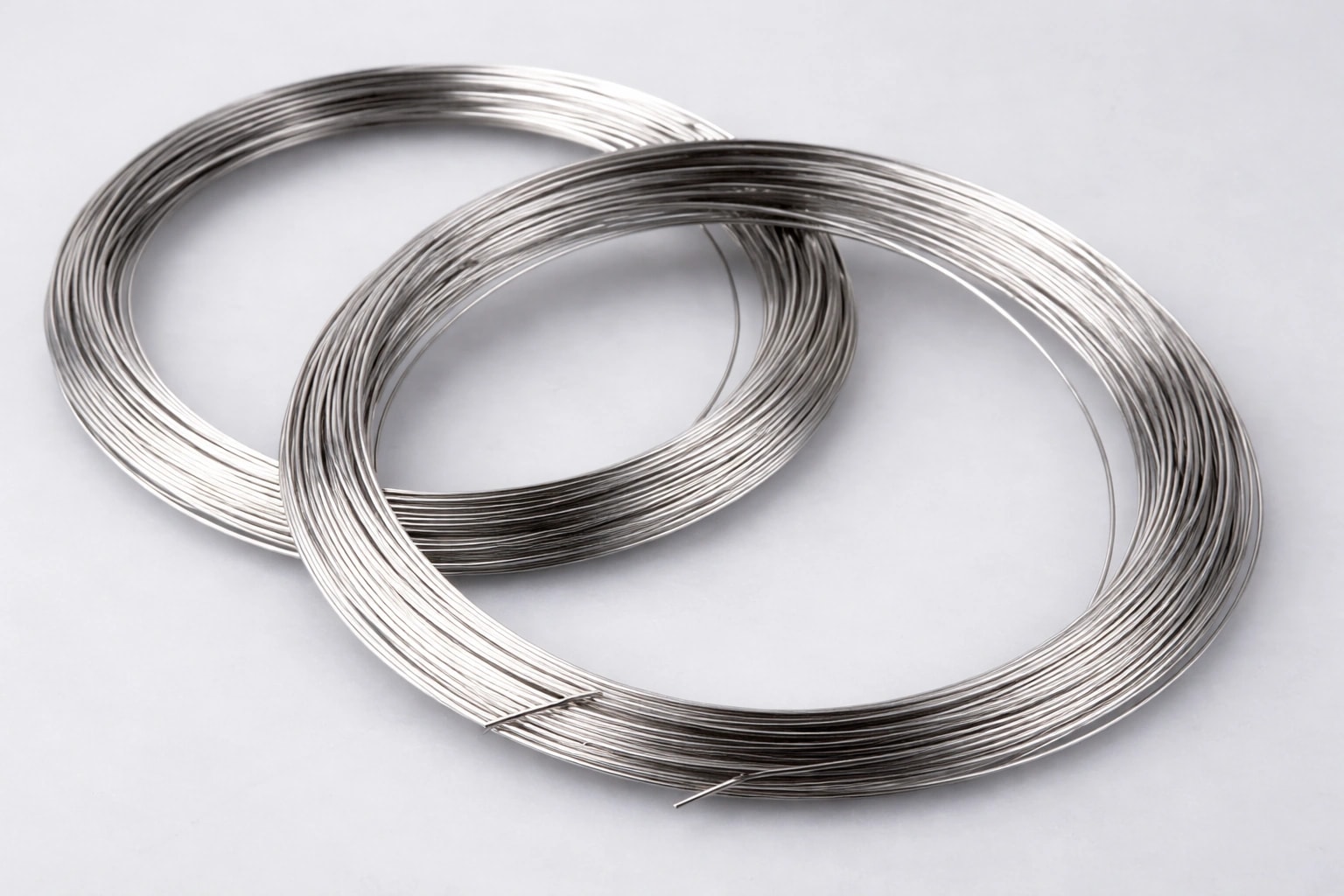
99.95% Pt, Pt/Au 95:5, Pt/Rh 90:10 and 87:13, Pt/Ir
Platinum Components
Platinum labware and fabricated parts — crucibles, dishes, wire, gauze and electrodes — hand-formed and machined to drawing, with buy-back on everything you return.
Specifications & quote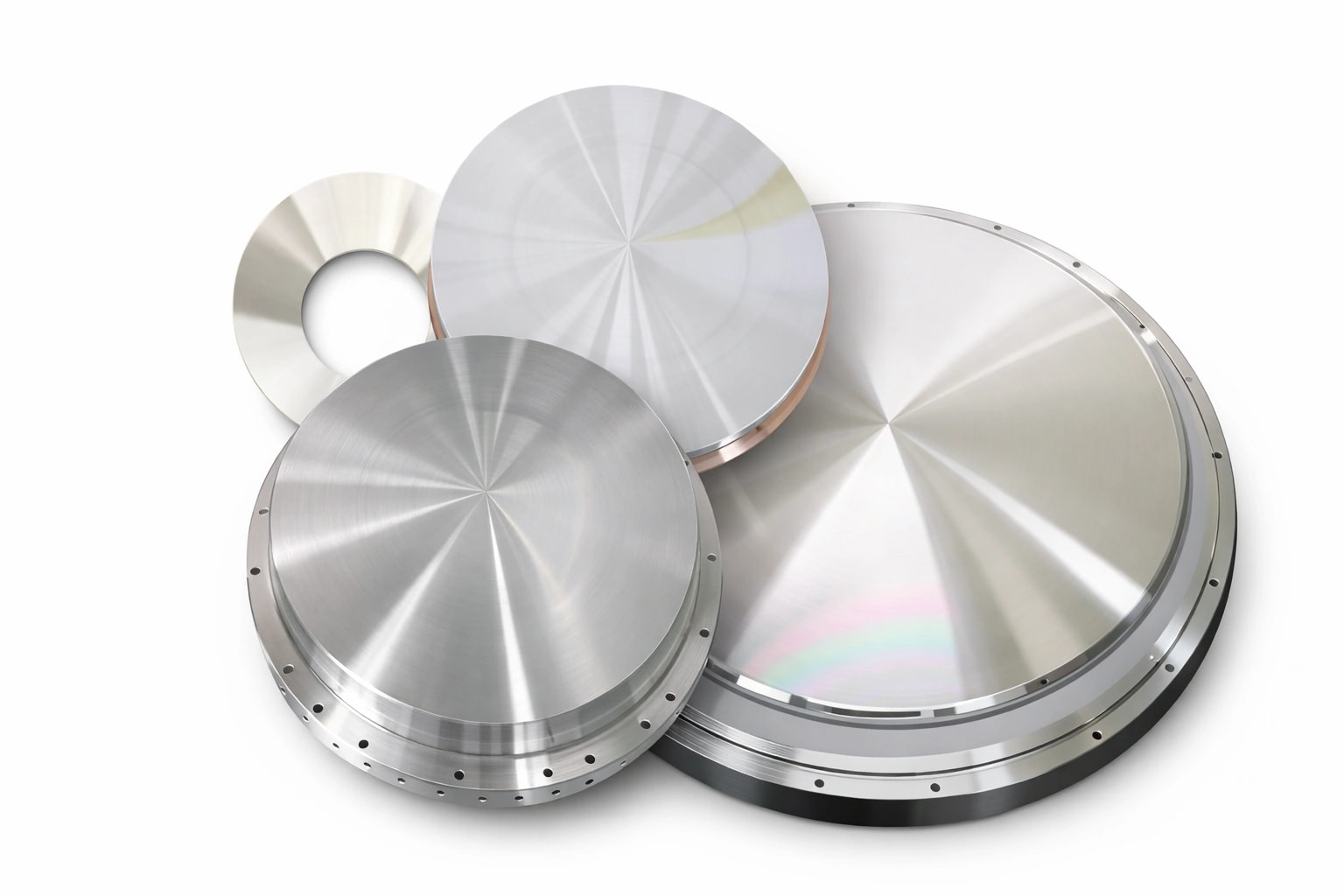
99.99% – 99.999% (4N – 5N)
Sputtering Targets
High-purity planar, rotary and custom sputtering targets, qualified against our European standards and shipped from inside the EU with a certificate of analysis on every plate.
Specifications & quote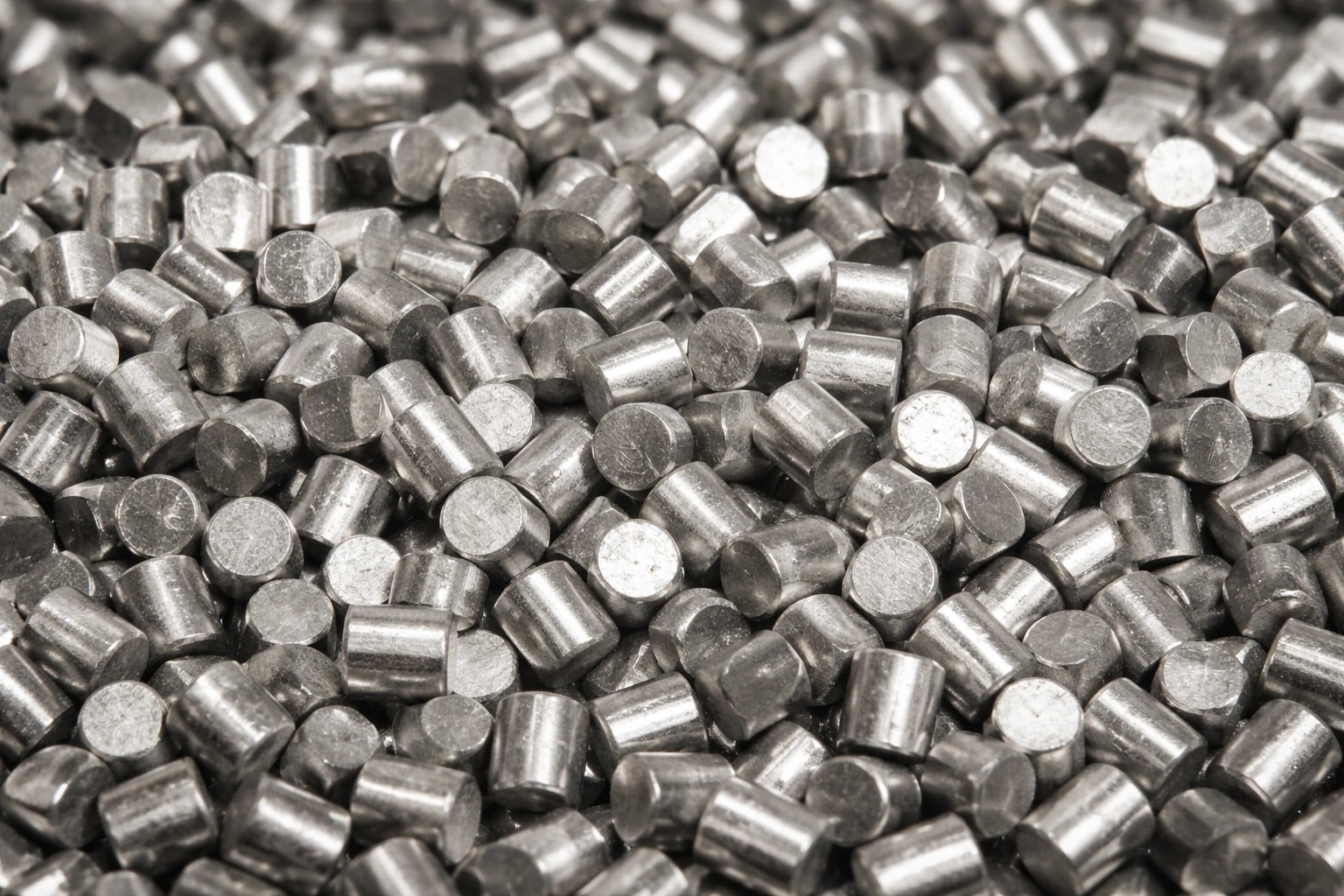
99.99% – 99.999% (4N – 5N)
Evaporation Materials
Pellets, slugs, shot, corn and wire in 4N and 5N purity — sized to your crucible and hearth, supplied from Europe.
Specifications & quoteOther metals we recover
Mixed material is normal. We assay and settle each metal separately.
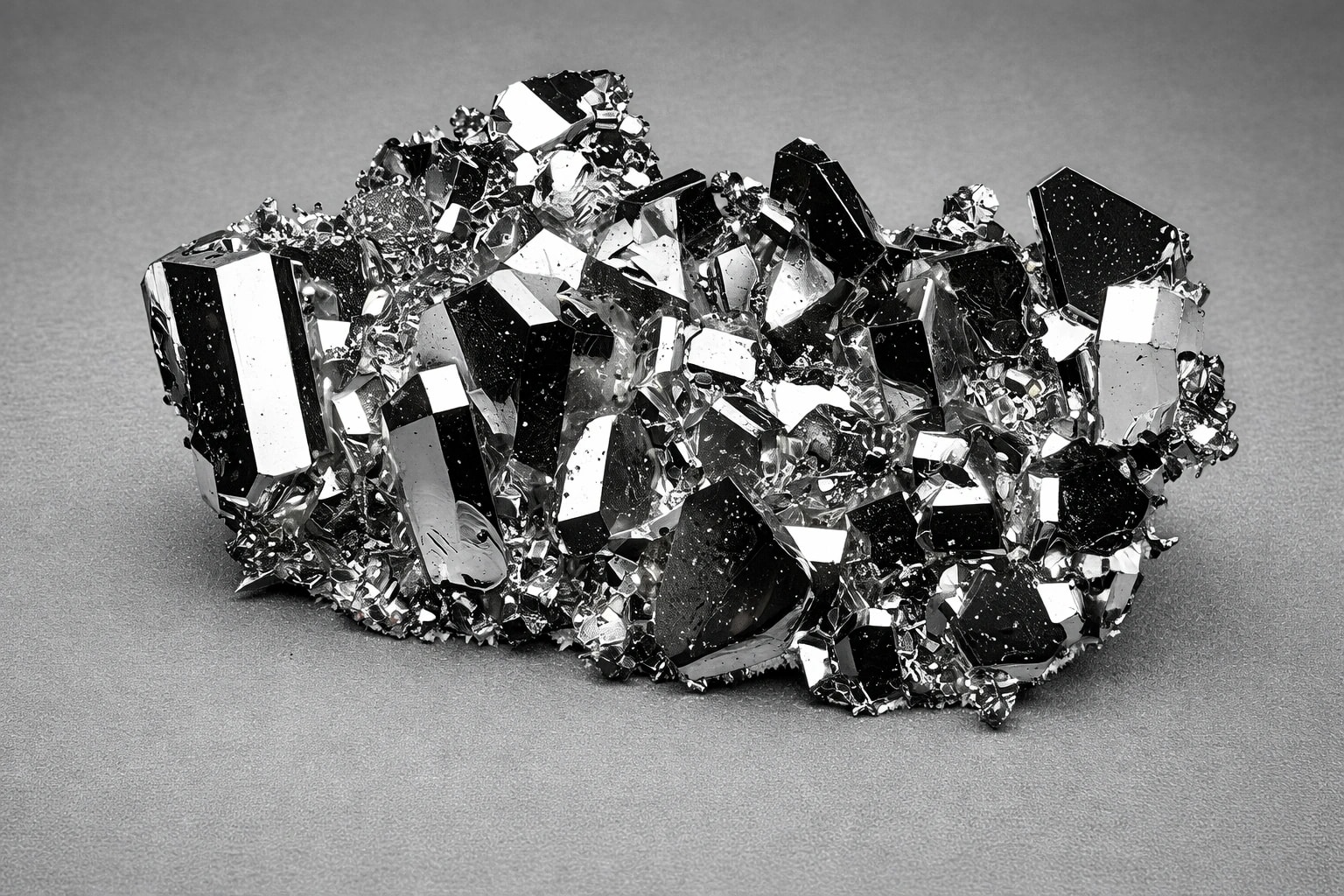
Ru
Ruthenium recovery
Ruthenium is the scarcest of the platinum group metals in supply terms — recovering yours is usually worth considerably more than you expect.
Recovery terms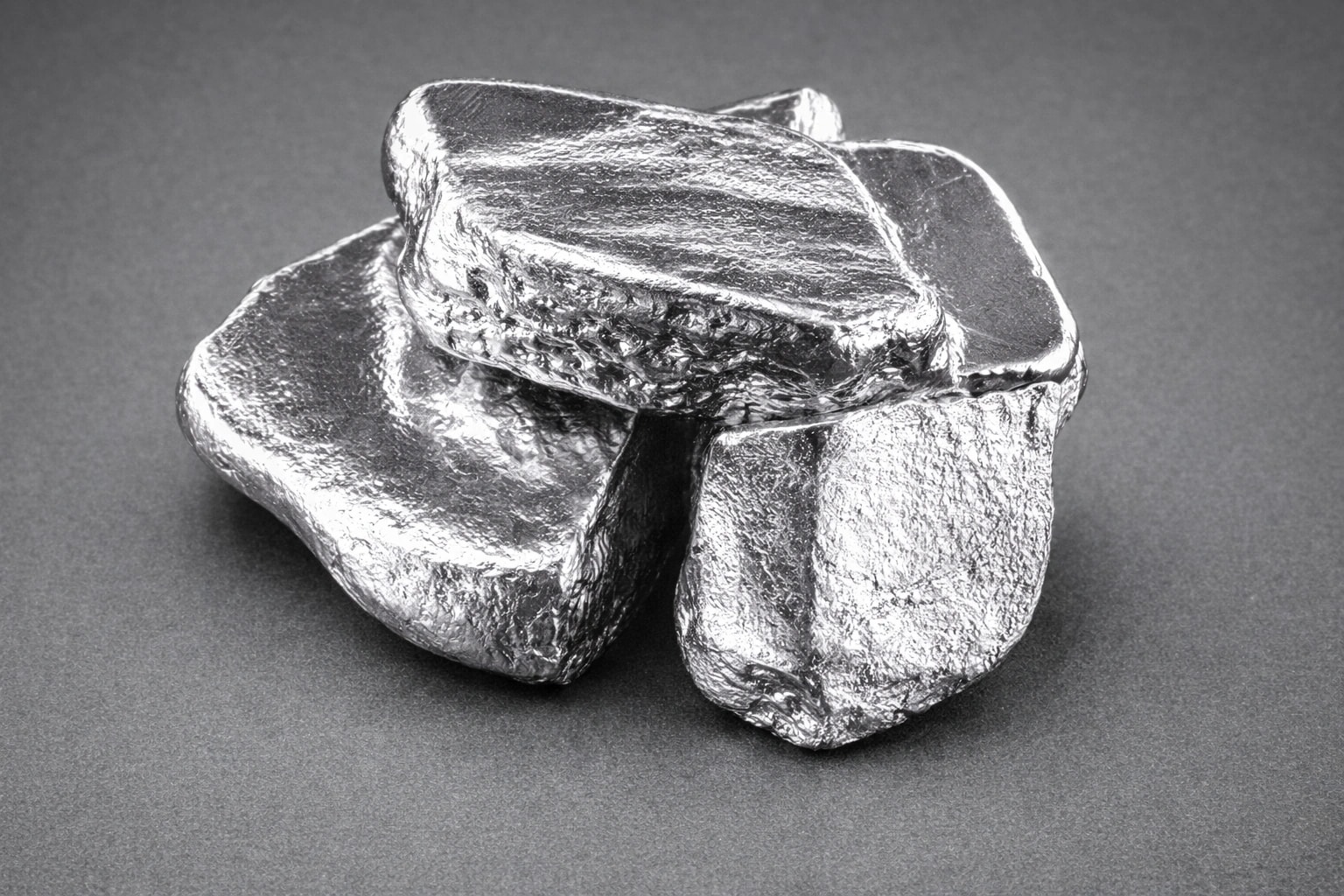
Rh
Rhodium recovery
Rhodium is the most valuable of the platinum group metals — small quantities of spent catalyst are often worth recovering on their own.
Recovery terms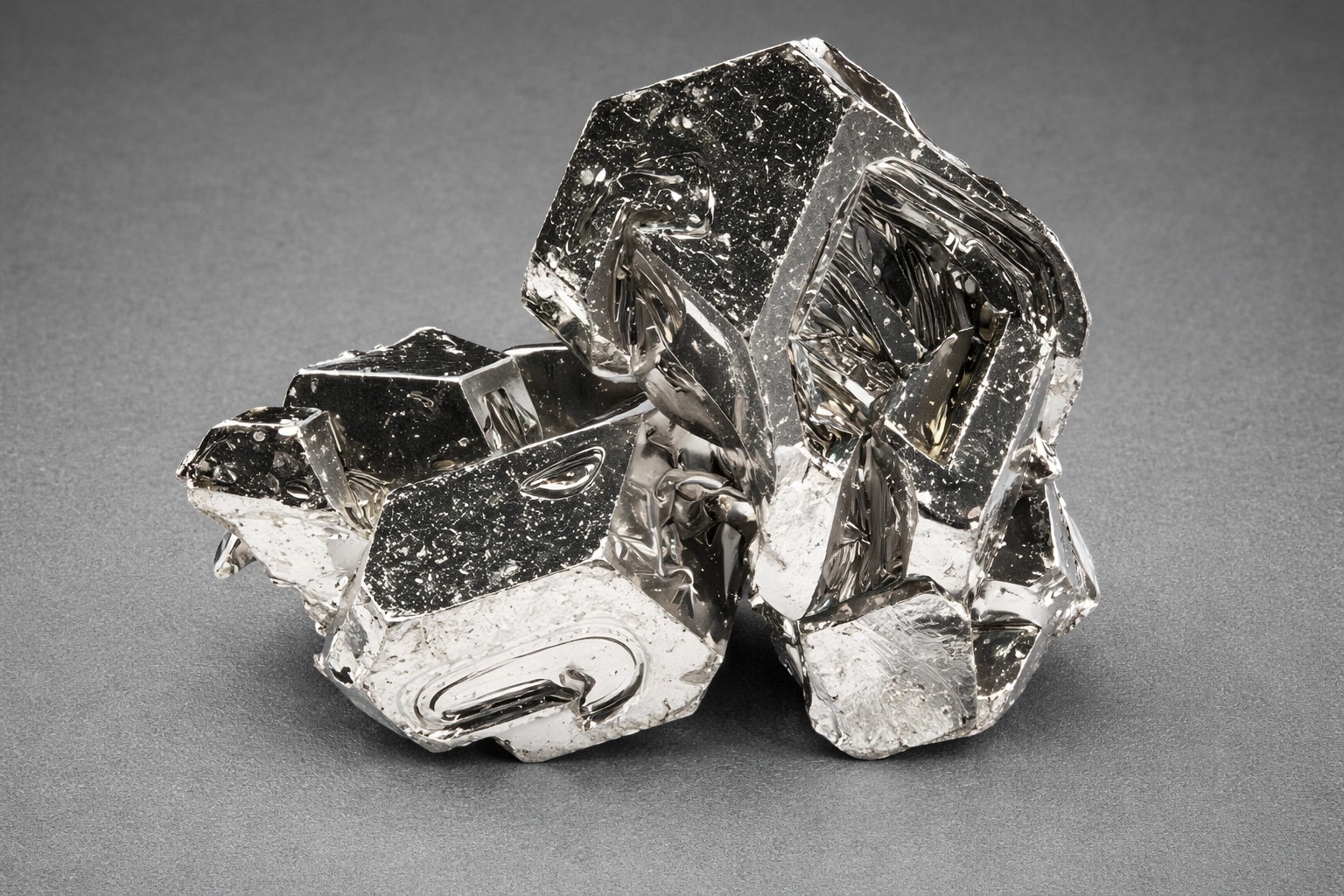
Pd
Palladium recovery
Palladium moves through catalyst, electronics and thin films in large volumes — and most of it can be recovered at high yield.
Recovery termsAlso searched as: platinum recovery, platinum buy-back, spent platinum labware, Pt refining, platinum scrap recycling.