Why sputtering targets are bonded
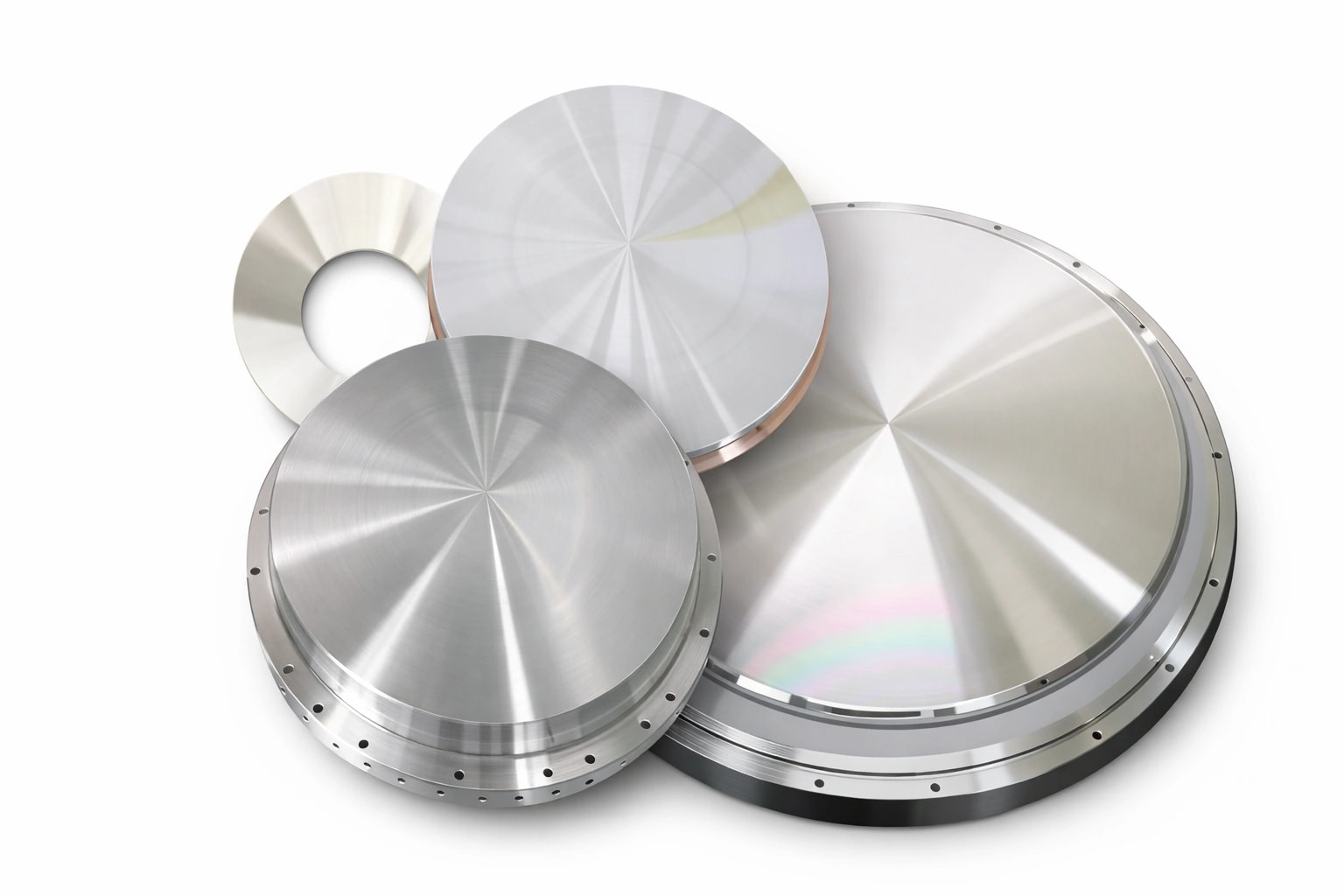
Nearly all the power put into a magnetron ends up as heat in the target. The cooling water runs behind the backing plate, so every watt has to cross the joint between target and plate. A good bond is a good thermal path; a poor bond is an insulator, and the target overheats however much water you run.
Bonding also lets a brittle or expensive material be used as a thin plate on a reusable carrier. A ceramic such as ITO could not survive being bolted into a cathode directly at production power, and a precious-metal target would waste metal if it had to be thick enough to carry its own clamping loads.
Indium vs elastomer bonding
Two bond types cover almost every planar and rotary target. The choice comes down to how hot the target runs and how much power you need through it.
| Indium bond | Elastomer bond | Unbonded (clamped) | |
|---|---|---|---|
| Thermal transfer | Best | Somewhat lower | Poor — contact only |
| Temperature limit | Softens above ~150 °C (melts at 157 °C) | Tolerates higher temperatures | Set by the target material |
| Power density | Highest | High | Low to moderate |
| Suits | Ceramics, ITO, high-power metals | Targets that run hot or cycle often | R&D discs, clamped cathodes, quick changes |
| Rebonding | Plate cleaned and re-used | Plate cleaned and re-used | Not applicable |
Indium is the default for ITO sputtering targets because ceramic cracks under thermal stress and needs the best heat path available. Indium also shares the one real weakness of every metal solder: run the target face hot enough to melt it and the bond fails, so ramp power up and down gradually.
Bond coverage: the number that matters
Coverage is the fraction of the joint area actually wetted by the bond. Voids are local insulators: the target above them runs hotter than the surrounding area, and the temperature difference cracks ceramics and softens indium locally, which spreads the void.
Below about 95% coverage, hot spots and cracked targets become likely. The only way to know the number is an ultrasonic scan of the finished assembly, which maps the bond area and shows voids as dark patches. Ask for the scan with the target, not a statement that the bond was inspected.
- Ask for the ultrasonic bond scan image and the measured coverage percentage.
- Ask what coverage the supplier rejects at — 95% is a sensible floor for high-power work.
- Check that voids are not concentrated under the erosion racetrack, where the heat load is highest.
Choosing a backing plate
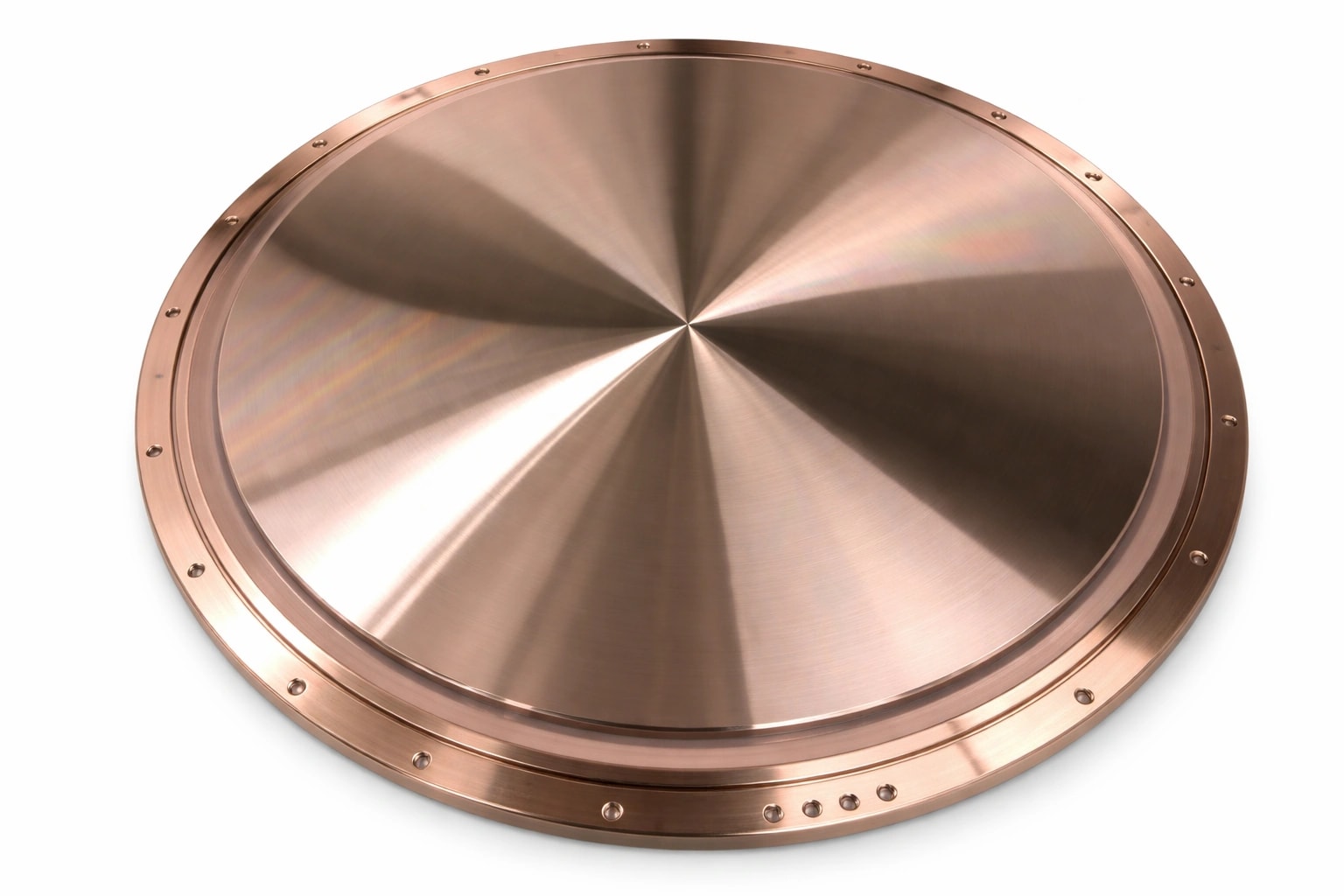
The backing plate carries the heat away and fixes the target to the cathode. Its thermal conductivity matters, but so does how much it expands compared with the target on it: a large mismatch bows the assembly as it heats and cools, and a brittle target on top of it cracks.
| Backing plate | Why choose it | Typical use |
|---|---|---|
| Copper | Highest thermal conductivity, easy to machine | Most metal targets; ITO discs |
| Molybdenum | Low expansion, close to ceramics | Large or high-power ceramic targets |
| Titanium | Moderate expansion, light and stiff | Ceramic targets; rotary backing tubes |
| Stainless steel | Strong, cheap, corrosion resistant | Rotary backing tubes; some metal targets |
Planar, rotary and tiled targets
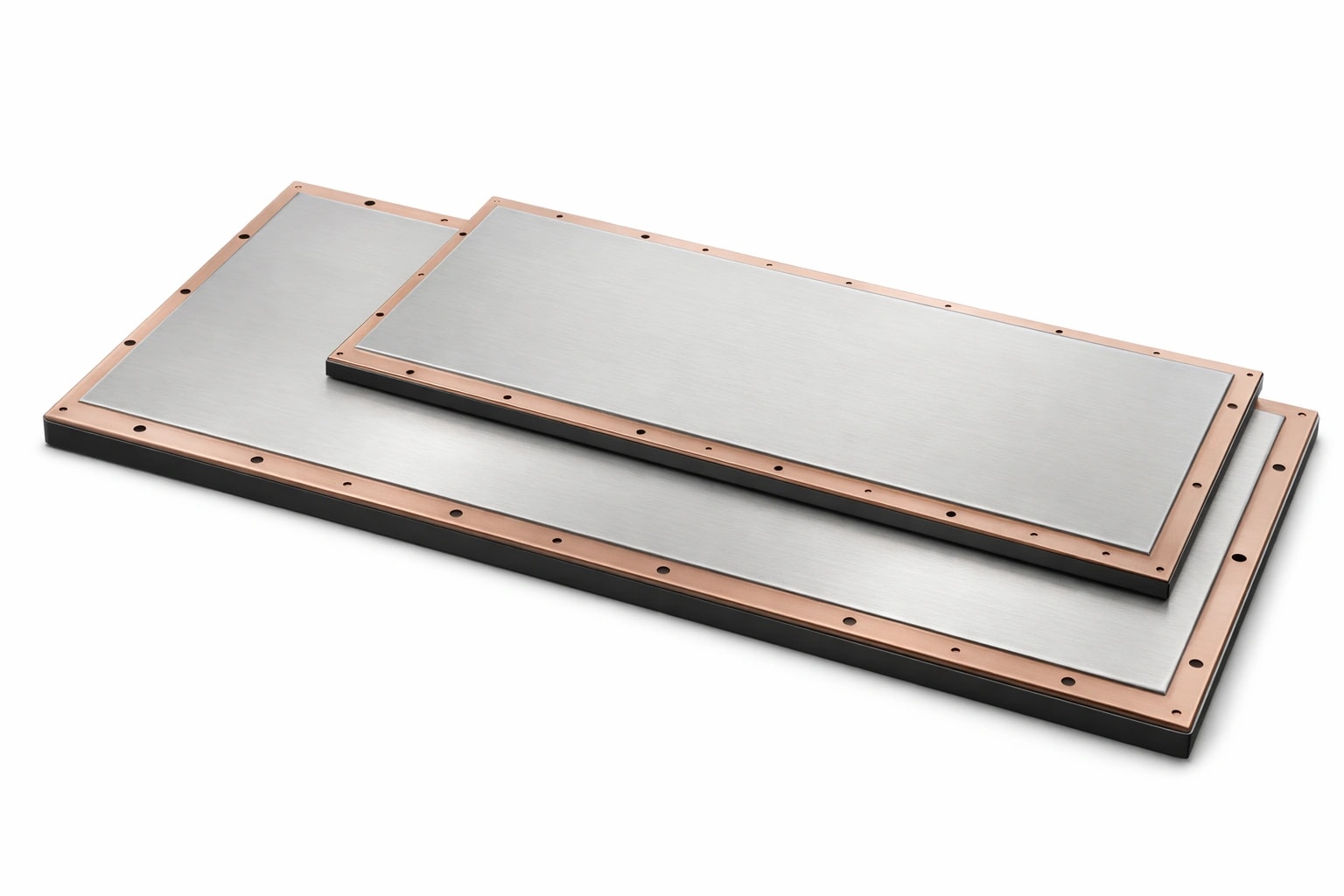
Planar targets are bonded as a single plate where the material allows. Planar ITO targets larger than a single ceramic tile are made as segmented tiles with controlled gaps, so that each tile can expand on its own without cracking its neighbours. The gaps are kept tight enough not to cause arcing.
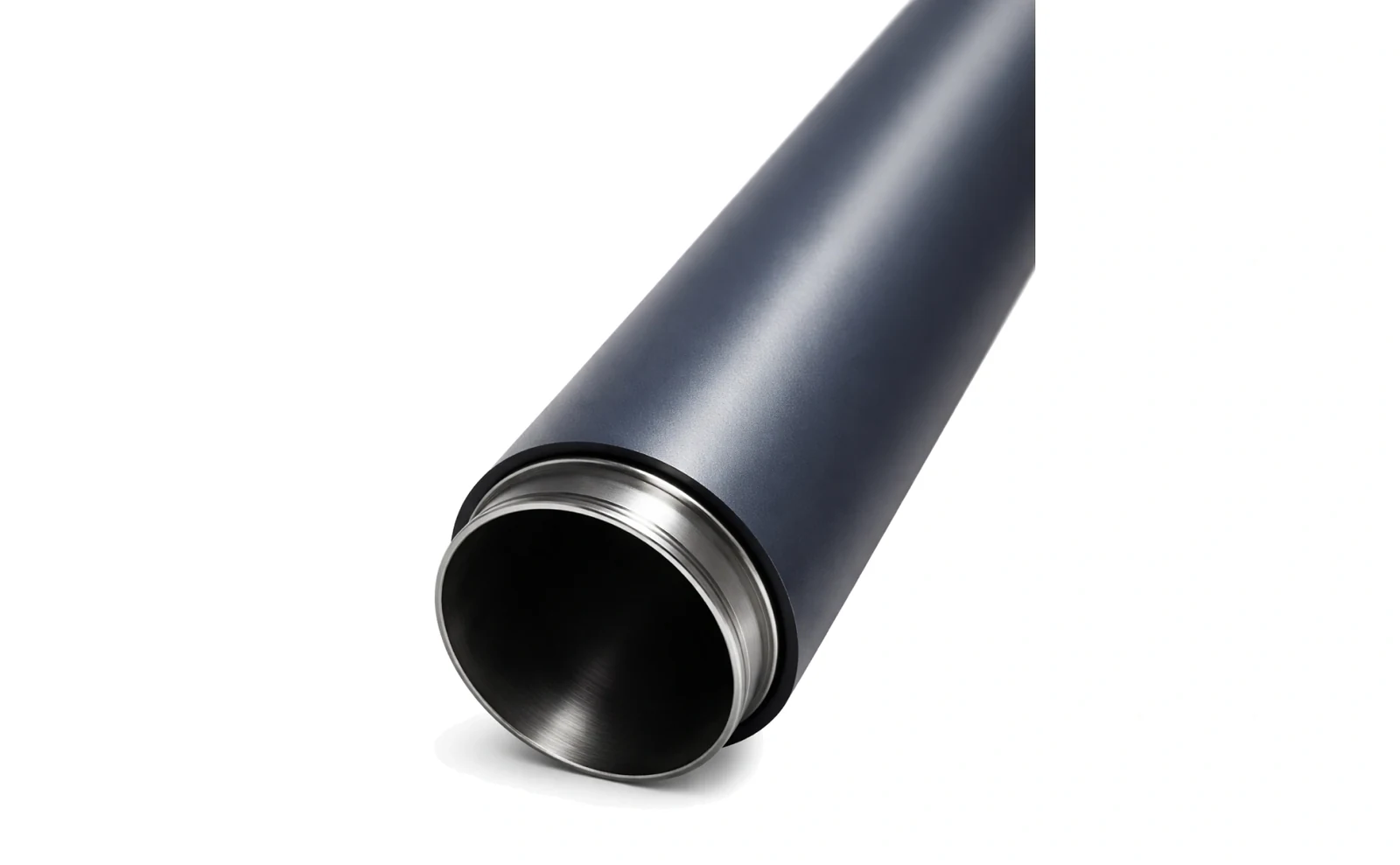
Rotary ITO targets are bonded to stainless or titanium backing tubes and matched to your end-block configuration. Rotary tubes use far more of the material — typically 70–80% against 25–35% for a planar target — so the extra bonding work pays back on material cost at production scale. Backing tubes can be re-bonded and reused.
Metal targets such as copper can also be made monolithic for rotary cathodes, with the target and tube in one piece. That removes the bond altogether at the cost of a new tube every change.
When an unbonded target is the better choice
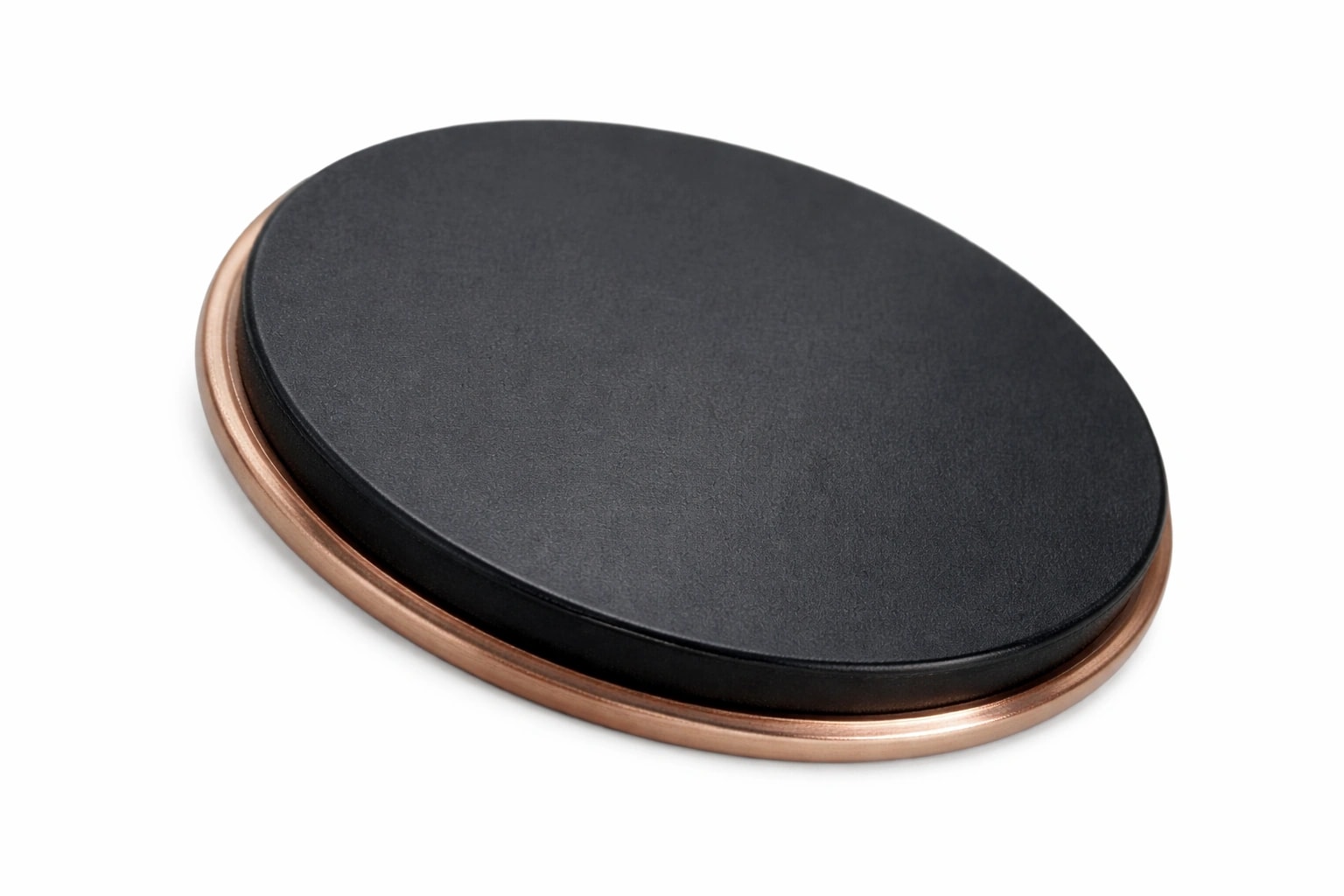
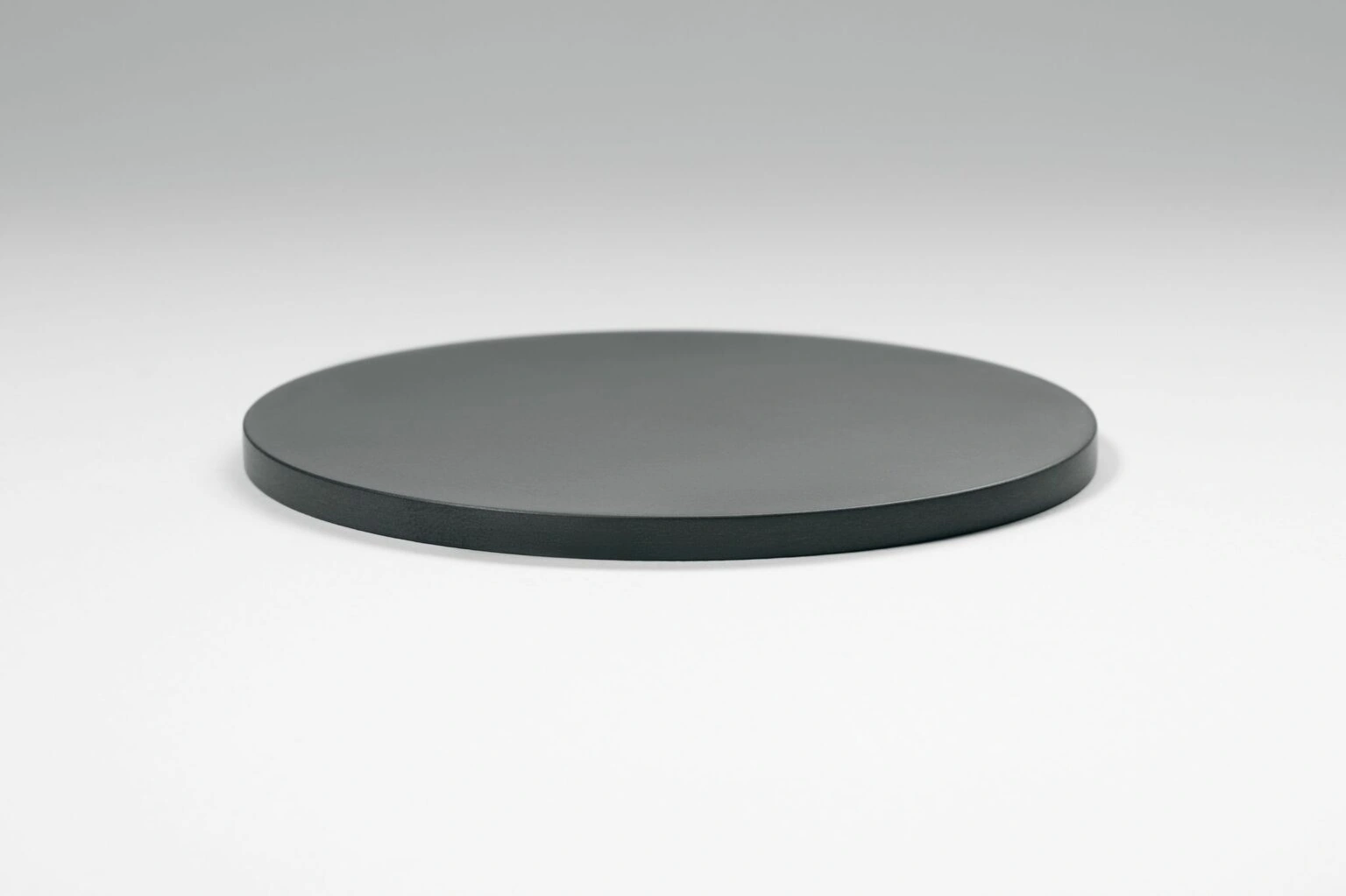
Many laboratory and pilot-line magnetrons clamp a loose disc directly against a cooled cathode. For these, an unbonded target is simpler and quicker to change and costs less. ITO disc targets are supplied either way.
The trade-off is power. A clamped disc only touches the cathode at high points, so heat transfer is poor and usable power is limited. If deposition rate is what limits your work, a disc bonded to a copper backing plate lets you run much harder without cracking the ceramic.
Lead time and what happens to the spent target
Bonding adds time. Standard planar aluminium and copper targets ship in 3–5 weeks and titanium in 4–6; bonded and rotary targets typically take 5–7 weeks, and rotary ITO 6–9 weeks, driven by sintering and bonding rather than machining.
A spent target still holds 60–70% of its material, because only the erosion racetrack is consumed. Debonded target material is refined and credited against the next order — for ITO the indium is the valuable part; see indium recycling. For the wider checks to make on a supplier, read how to choose a sputtering target manufacturer.
Frequently asked questions
What is indium bonding of sputtering targets?
A soldered joint made with indium between the target and its backing plate. Indium wets both surfaces and gives the best thermal path of the common bond types, which lets the target run at high power. Its limit is temperature: indium melts at 157 °C, so the target face must not run hot enough to melt the bond.
Indium or elastomer bonding — which is better?
Indium for the highest power and for brittle ceramics such as ITO, because it transfers heat best. Elastomer where the target runs hot or cycles often and some loss of heat transfer is acceptable. Tell your supplier the power density and the cathode, and the choice usually follows.
What bond coverage should a bonded target have?
At least 95% for high-power work, measured by an ultrasonic scan of the finished assembly. Below that, voids act as insulators, the target above them overheats, and ceramics crack. Ask for the scan image with each target rather than a statement that the bond was checked.
Can you re-bond targets onto our existing backing plates?
Yes. Send the spent assemblies; the old target is removed for recovery, the plate is inspected and cleaned, and a new target is bonded to it and returned with an ultrasonic bond scan. For established tools it is often the fastest and cheapest route.
Do I need a bonded target?
Not always. Clamped laboratory cathodes take unbonded discs, which are cheaper and faster to change. If you are limited by deposition rate, or the target is a ceramic that cracks at the power you need, a bonded target is worth it.
Talk it through with an engineer
If this guide has not answered your question, describe your process and we will tell you what we would specify — including when the answer is that you do not need what you were about to buy.
Drawings, STEP files and photographs can be attached to the form. Prefer to talk it through? Leave a phone number and ask for a call.
What to include
- Your deposition process and tool
- Film requirement or the problem you are solving
- Volumes, if you know them
No drawing? Send photographs of the worn part — we can work from that.