
ITO Targets
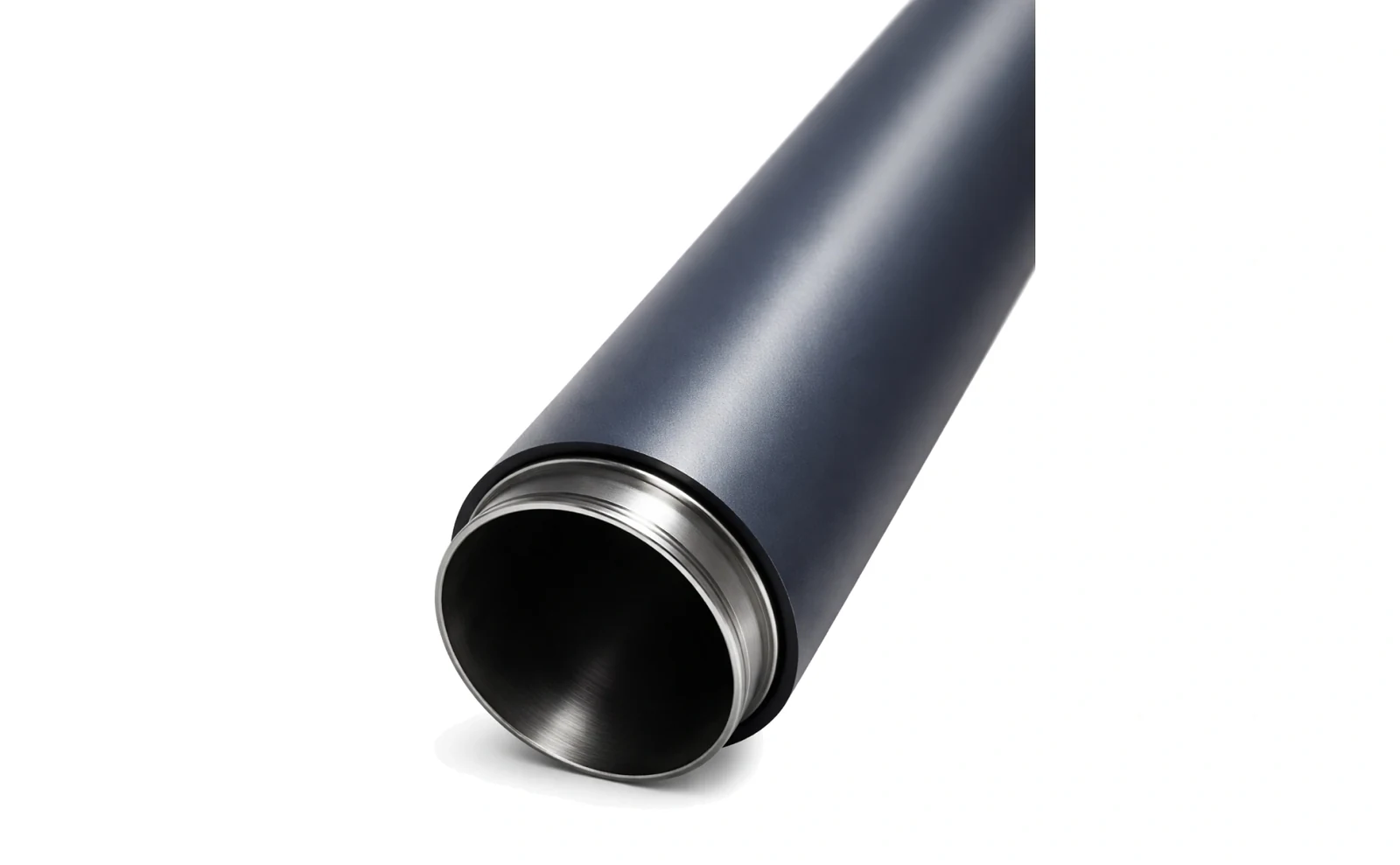
ITO Rotary Sputtering Targets
Rotatable ITO targets for large-area inline coaters — roughly three times the material utilisation of a planar target.
- Purity
- 99.99% (4N)
- Lead time
- 6–9 weeks
- Qualified in
- Europe
- Documentation
- Certificate of analysis per batch
Purity up to 99.999%
5N material with certificate of analysis
Quote within 24 h
Technical review by materials engineers
Shipped from Europe
Dispatched inside the EU, customs handled at our end
Custom dimensions
Built to your tool and bonding spec
About ITO rotary target
A planar target erodes in a narrow racetrack and is scrapped at roughly 25–30% utilisation. A rotary target turns continuously through the plasma, so the erosion zone sweeps the entire surface and utilisation reaches 70–80%. For an indium-bearing material at current indium prices, that difference dominates the cost of ownership.
Rotary ITO is standard on architectural glass lines, automotive glazing and roll-to-roll web coaters, where run lengths are long and target changes are expensive in lost production time.
We supply rotary targets bonded to stainless or titanium backing tubes and matched to your end-block configuration, with segment gaps controlled to prevent arcing at the joints.
ITO Rotary Target specifications
Standard specification below. Anything on this table can be changed — send us your drawing or tool model and we will quote to it.
| Composition | In₂O₃/SnO₂ 90:10 wt% |
|---|---|
| Purity | ≥ 99.99% (4N) |
| Relative density | ≥ 99% of theoretical |
| Tube length | Up to 3000 mm, customer specified |
| Outer diameter | 125–160 mm typical |
| Material utilisation | Up to 80% |
Ordering for a UK site? Sputtering targets delivered to the UK duty paid — customs handled at our end.
Indium tin oxide material datasheet
Published constants for indium tin oxide — the numbers you need to set up a run before the material arrives. Print this page for the process folder, or send it to us with your parameters and we will tell you whether the grade we stock suits them.
Chemical identity
| Material | Indium tin oxide (ITO) |
|---|---|
| Composition | In₂O₃/SnO₂, 90/10 wt% |
| Appearance | Pale yellow to dark green or dark grey, depending on composition |
Physical and thermal properties
| Theoretical density | 7.14 g/cm³ |
|---|---|
| Melting point | approx. 1,800 °C |
Sputtering process data
| Max power density | 20 W/in² |
|---|---|
| Bonding | Indium or elastomer |
| Process notes | Ceramic target — ramp power slowly and keep the backing plate cool to avoid cracking. |
ITO is a ceramic, not a metal, so it tolerates far less power per unit area than a metal target and it cracks from thermal shock rather than melting. Published atomic constants do not apply to the mixed oxide.
Maximum power density is quoted for unbonded targets and is material specific. Bonded targets should be run at 20 W/in² or lower to avoid bond failure.
Values above are published material constants for process planning and can vary with grade, microstructure and measurement method. They are not a supply specification — what we guarantee on your order is the specification table above and the certificate of analysis shipped with it.
Source: Kurt J. Lesker Company, deposition materials data. CAS numbers from the public chemical registry entry for each element.
Applications
Architectural glass lines
Low-emissivity and solar-control coatings on large-format float glass, run continuously for weeks at a time.
Roll-to-roll web coating
Transparent conductive layers on PET and other flexible substrates for touch sensors and flexible displays.
Thin-film photovoltaic production
High-throughput TCO front contacts on module-scale substrates.
Automotive glazing
Heated and IR-reflective windshield and sunroof coatings.
What we can change for you
- Tube lengths to 3000 mm, single piece or segmented, matched to your coater.
- Backing tubes in stainless steel or titanium — new or re-bonded from your existing tubes.
- End-block interfaces matched to common coater platforms.
- Segment gap and tile alignment controlled to minimise arcing at joints.
Technical notes
Up to 80% material utilisation against roughly 30% for planar — the decisive cost factor for indium-bearing targets.
Continuous rotation eliminates racetrack nodule build-up and extends run length between chamber openings.
Higher sustainable power density gives greater line throughput.
ITO Rotary Target — questions we get asked
How much material can a rotary ITO target actually save?
Planar targets are typically scrapped at 25–30% utilisation; rotary targets reach 70–80%. On an indium-bearing material that is roughly a two-and-a-half-fold reduction in material cost per square metre coated, before counting the reduced downtime from fewer target changes.
Can you re-bond ITO onto our existing backing tubes?
Yes, and it is usually the economical route. Send us the spent tubes; we strip the residual material for indium recovery, inspect and clean the tube, and bond fresh ITO to it. The recovered indium can be credited against the new order.
What tube lengths do you supply?
Up to 3000 mm, single piece or segmented depending on length and your coater's end-block configuration. Give us the coater model, the end-block type and the target OD and we will confirm the exact configuration.
What is the lead time for rotary ITO targets?
Typically 6–9 weeks, driven by sintering and bonding rather than machining. Tell us your planned change-out date when you enquire and we will schedule production against it.
Request a quote for ITO rotary target
Send your specification and a materials engineer will price it — not a sales form auto-reply. Quotes for ITO rotary target are returned within 24 hours.
Drawings, STEP files and photographs can be attached to the form. Prefer to talk it through? Leave a phone number and ask for a call.
What to include
- Purity grade — 99.99% (4N) is standard
- Dimensions, tolerances or a drawing
- Quantity and required delivery date
No drawing? Send photographs of the worn part — we can work from that.
Related materials
Often specified alongside this product by the same customers.
99.99% (4N) · 5–7 weeks
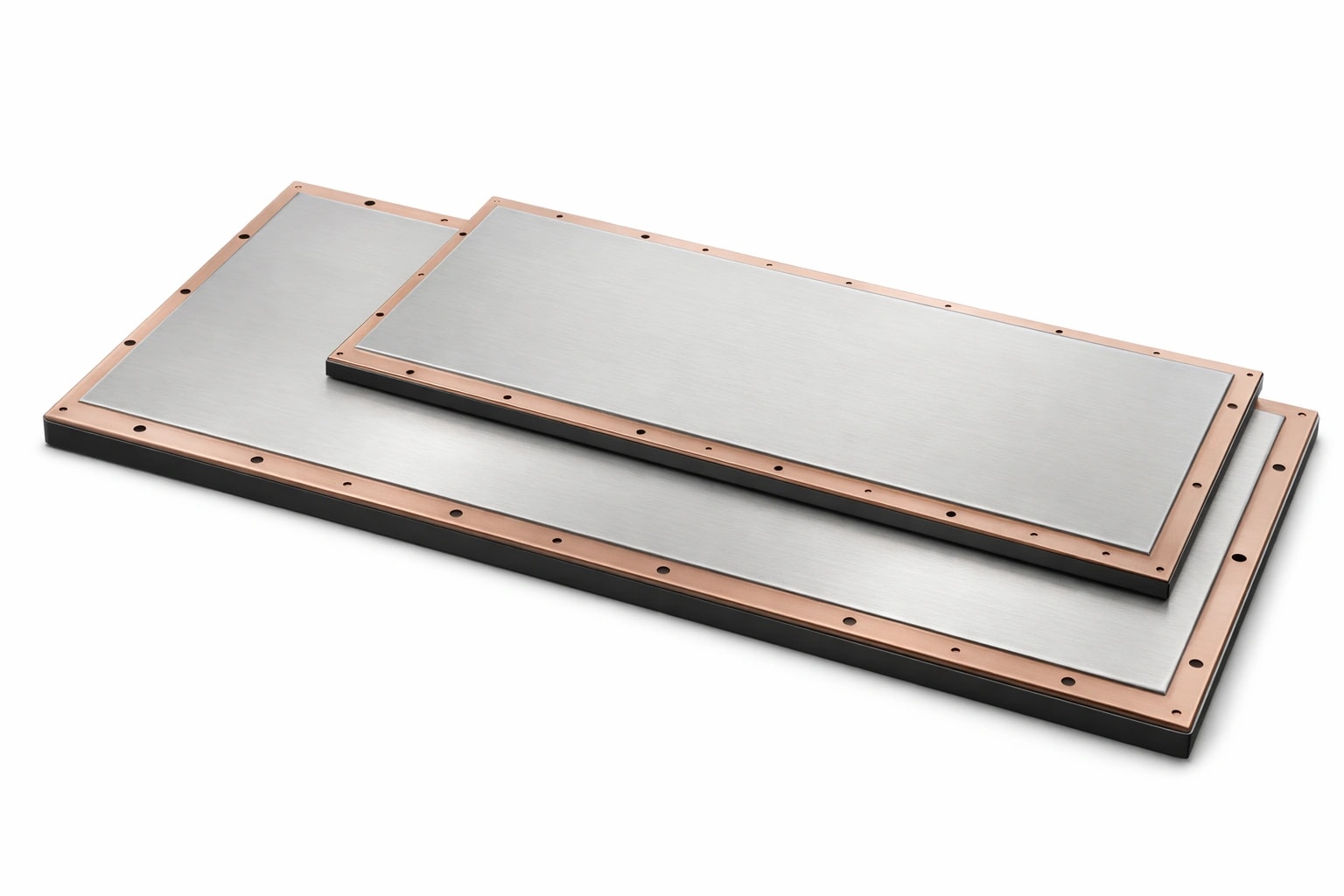
ITO Planar Target
High-density planar ITO targets for transparent conductive oxide coatings on displays, touch panels and solar cells.
View details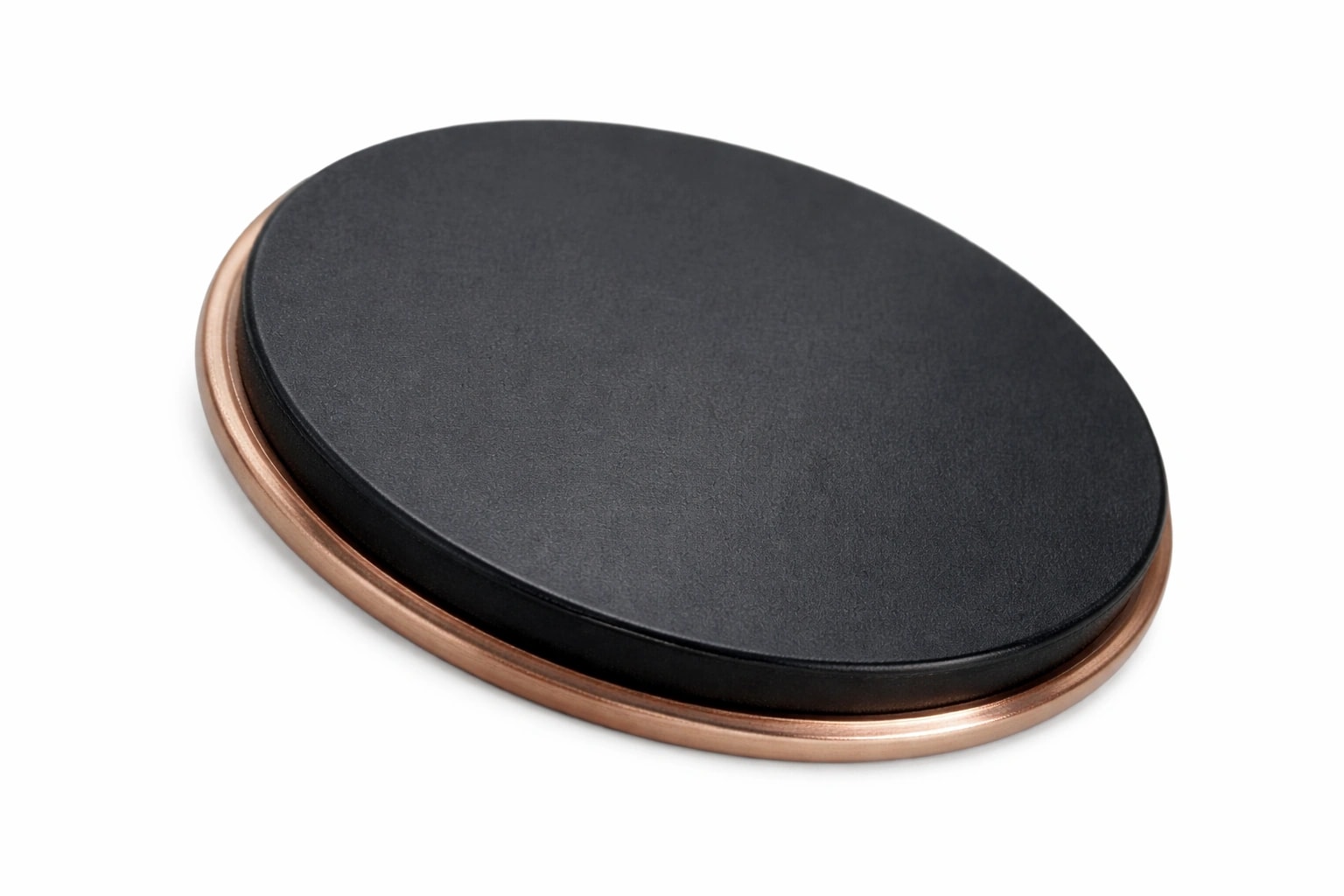
99.99% (4N) · 4–6 weeks
ITO Disc Target
Circular ITO targets sized for laboratory and pilot-line magnetrons, bonded to your backing plate or supplied loose.
View detailsAlso searched as: rotatable ITO target, ITO rotary tube target, cylindrical ITO target.