
Metal recovery
Precious Metal Recovery and Refining
Spent targets, platinum labware, PGM catalyst, chamber shields and polishing sludge — collected across Europe, assayed in full, and settled in cash or credited against your next order.
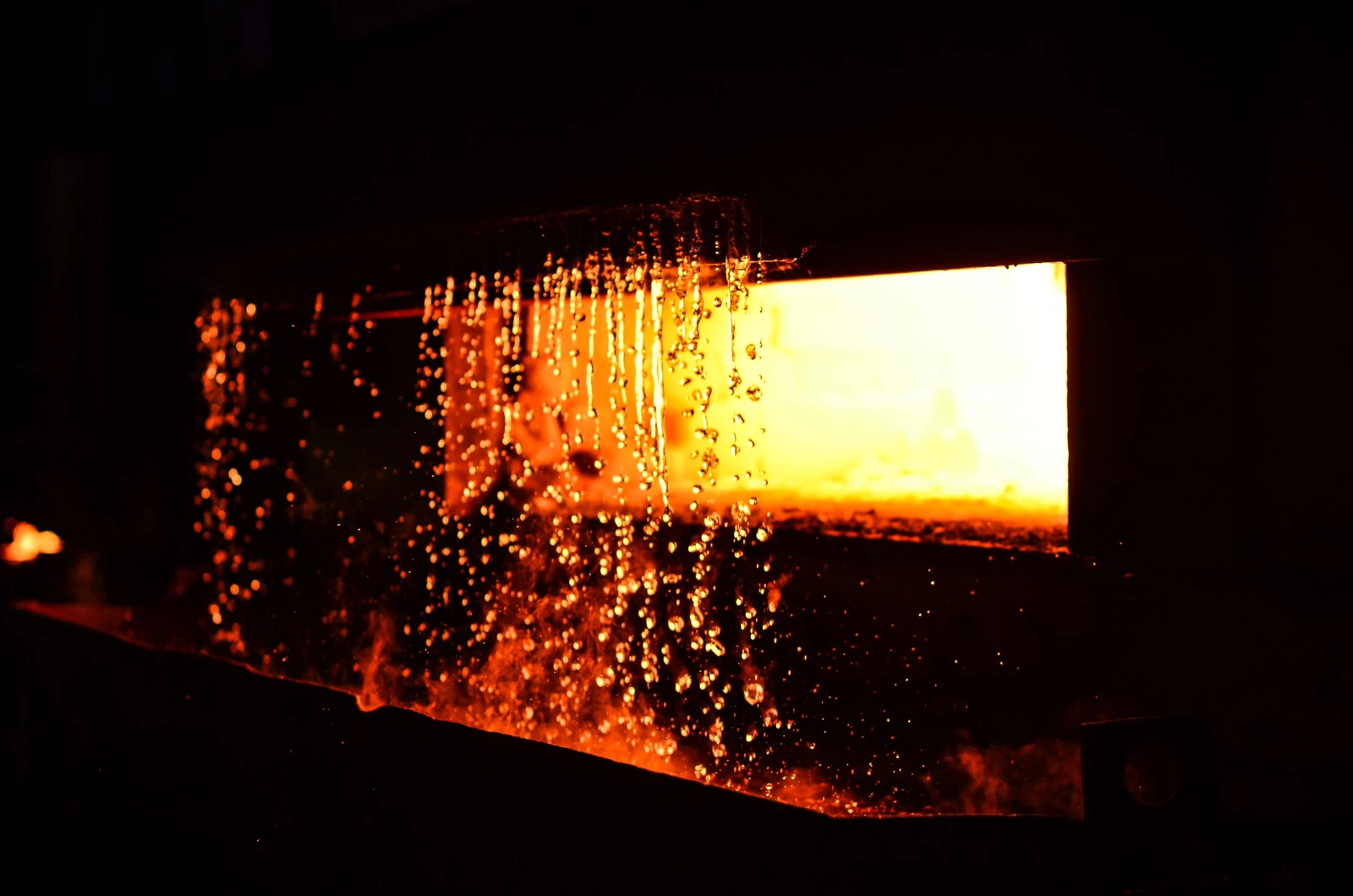
- Metals recovered
- Pt, Pd, Rh, Ru, Ir, Au, Ag, In
- Settlement
- 15 working days
- Assay
- Full report, umpire sample
- Collection
- EU & UK, sealed
What we accept
If it contains precious metal, it is worth weighing
Condition does not matter. Contamination does not matter. Metal content is what is paid for.
Spent sputtering targets
Sputtering target recycling starts from plates that still hold 60–70% of their original metal. Bonded or unbonded, precious or base — we strip the backing plate and account for it separately.
Platinum and iridium labware
Crucibles, dishes, gauze, stirrers, thermocouple wire and electrodes. Damaged, contaminated or simply obsolete — condition does not affect the metal content.
Spent catalyst
Spent catalyst recycling for Pd, Pt, Rh and Ru on carbon, alumina or homogeneous in solution. Pharmaceutical, fine chemical and automotive streams all handled.
Chamber shields and deposits
Shields, liners, masks and clamp rings carrying deposited film. Often the single most overlooked source of recoverable metal in a coating line.
Polishing and grinding sludge
ITO sludge, PGM-bearing swarf and filter cake. Wet or dry, drummed or bagged — we dry, homogenise and assay before valuing.
Electronic and plating scrap
Gold-bearing connectors and bond wire, silver contacts and brazing residue, spent plating solutions and anode remnants.
By metal
Recovery services by metal
Each page sets out the typical sources, the refining route and what settlement looks like for that metal.
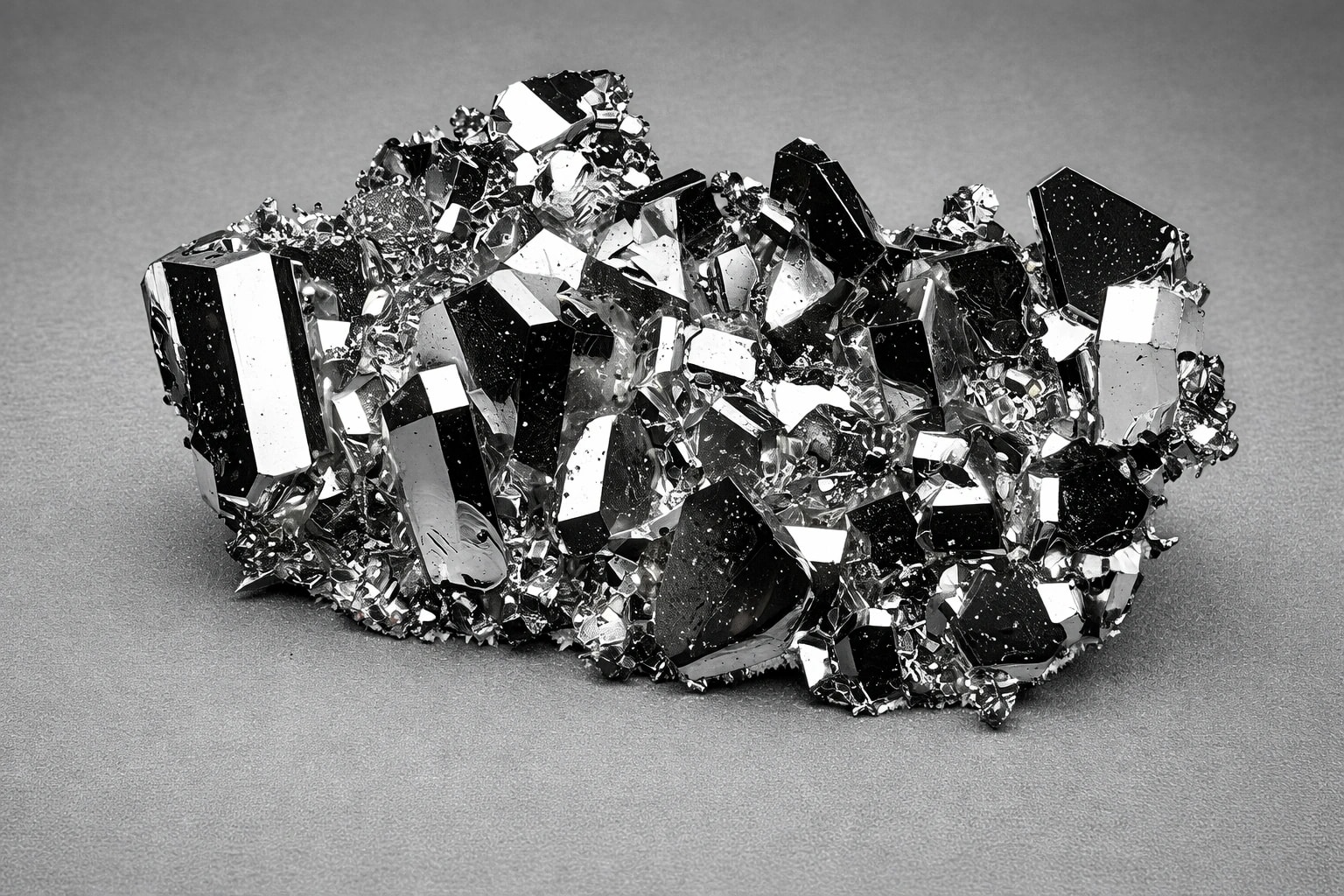
Ru
Ruthenium recovery
Ruthenium is the scarcest of the platinum group metals in supply terms — recovering yours is usually worth considerably more than you expect.
Recovery terms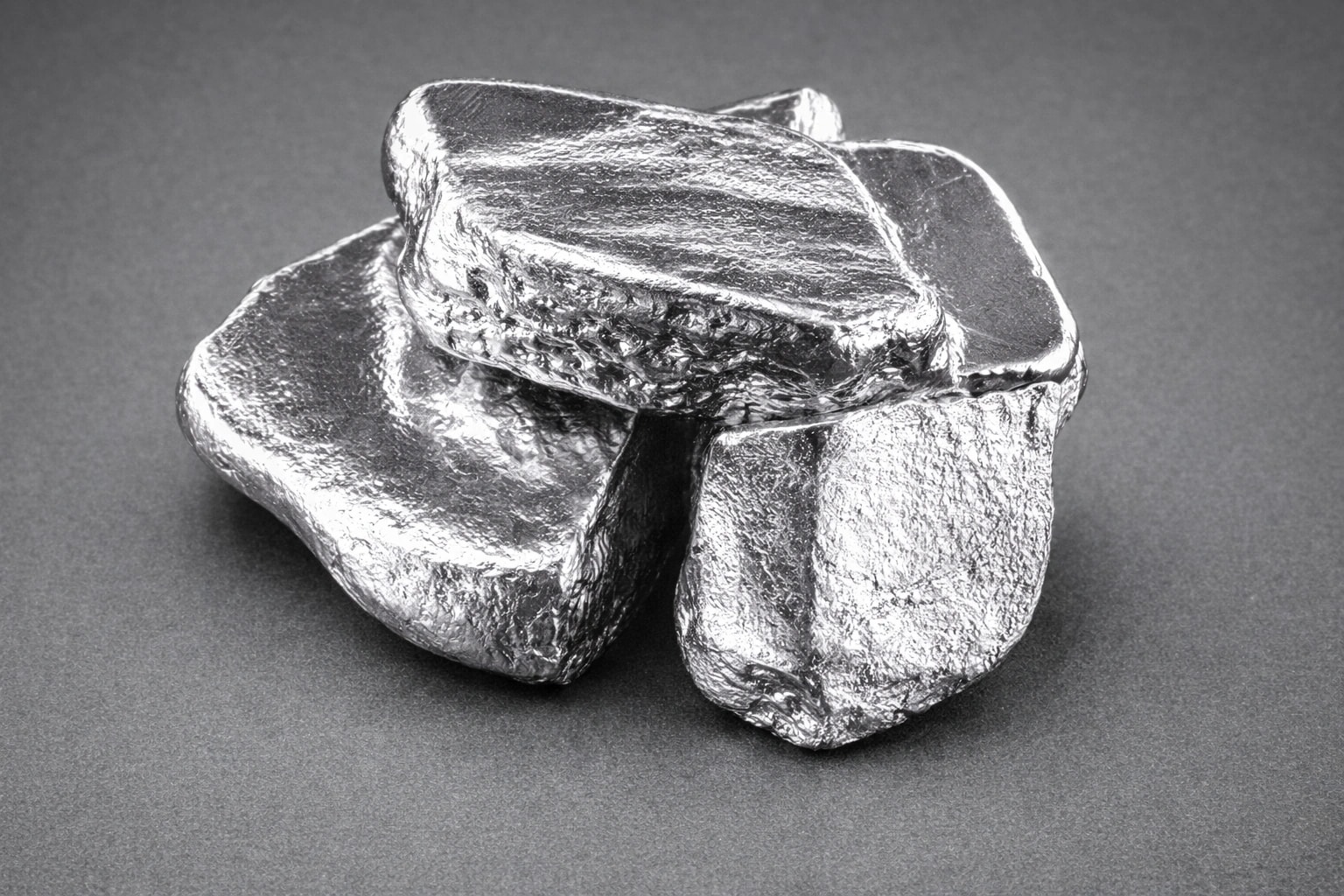
Rh
Rhodium recovery
Rhodium is the most valuable of the platinum group metals — small quantities of spent catalyst are often worth recovering on their own.
Recovery terms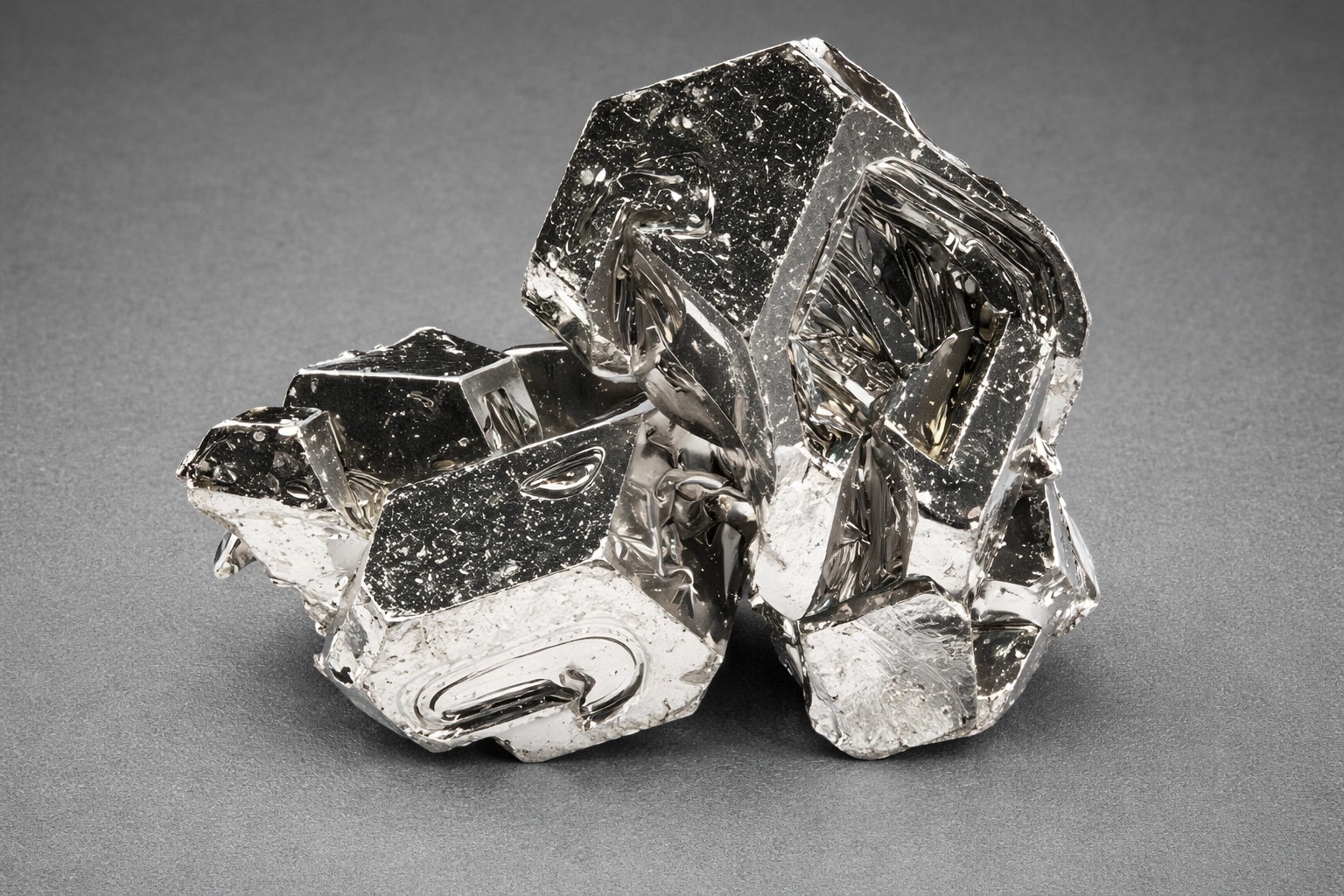
Pd
Palladium recovery
Palladium moves through catalyst, electronics and thin films in large volumes — and most of it can be recovered at high yield.
Recovery terms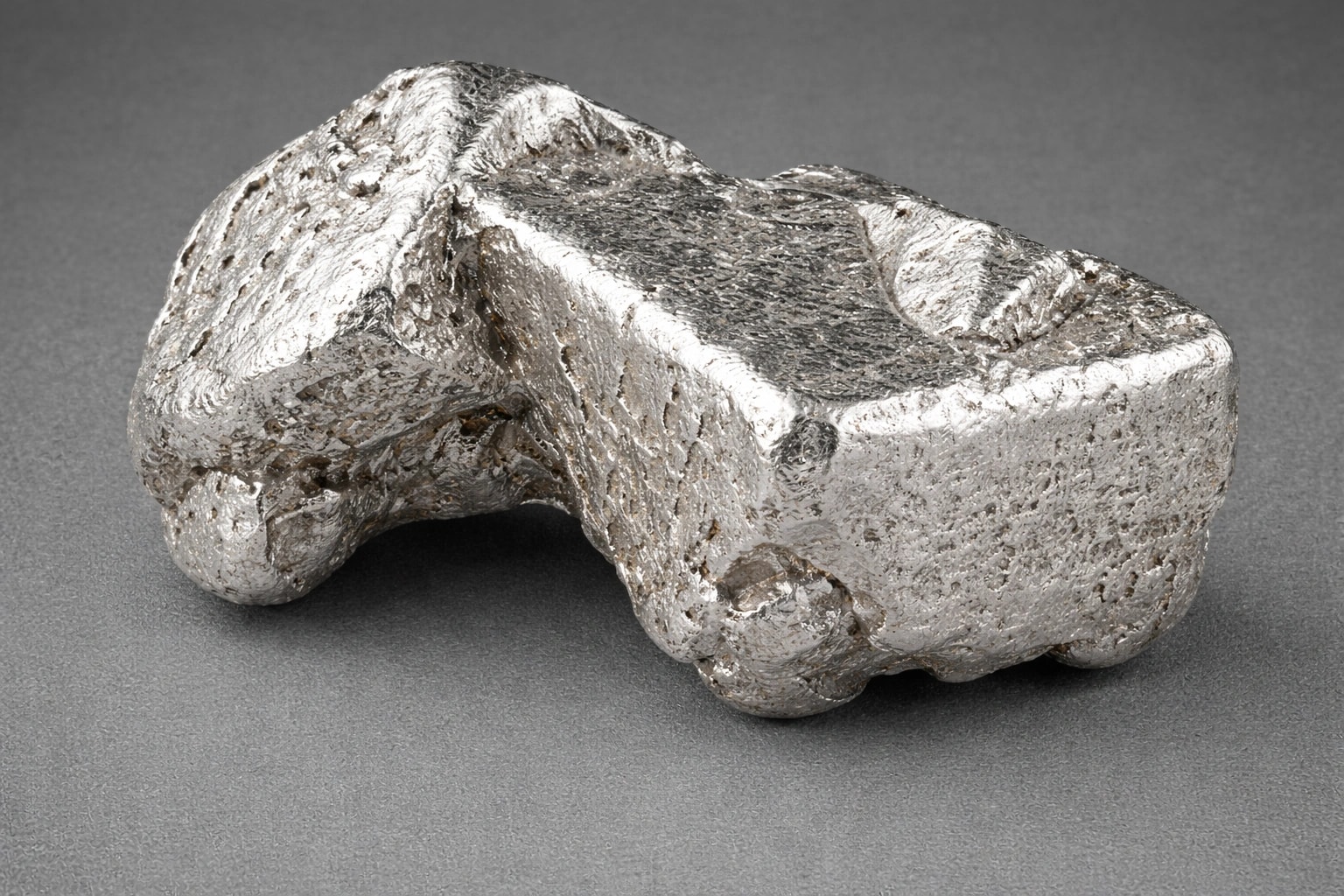
Pt
Platinum recovery
Platinum labware and process metal is a capital asset, not a consumable — worn and damaged pieces retain essentially their full metal value.
Recovery terms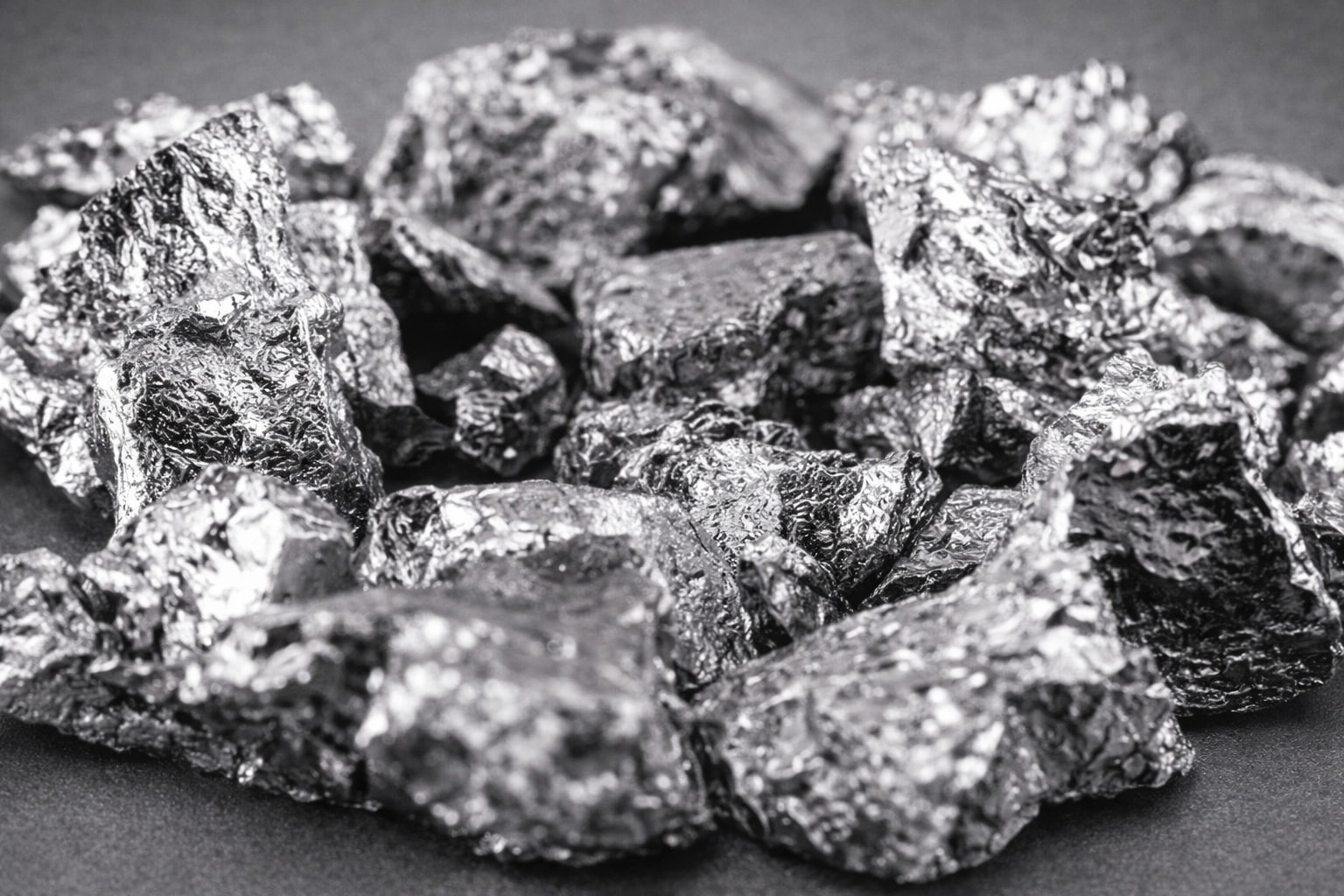
Ir
Iridium recovery
Iridium is the rarest metal in regular industrial use — annual production is measured in single-digit tonnes, so recovery is not optional.
Recovery terms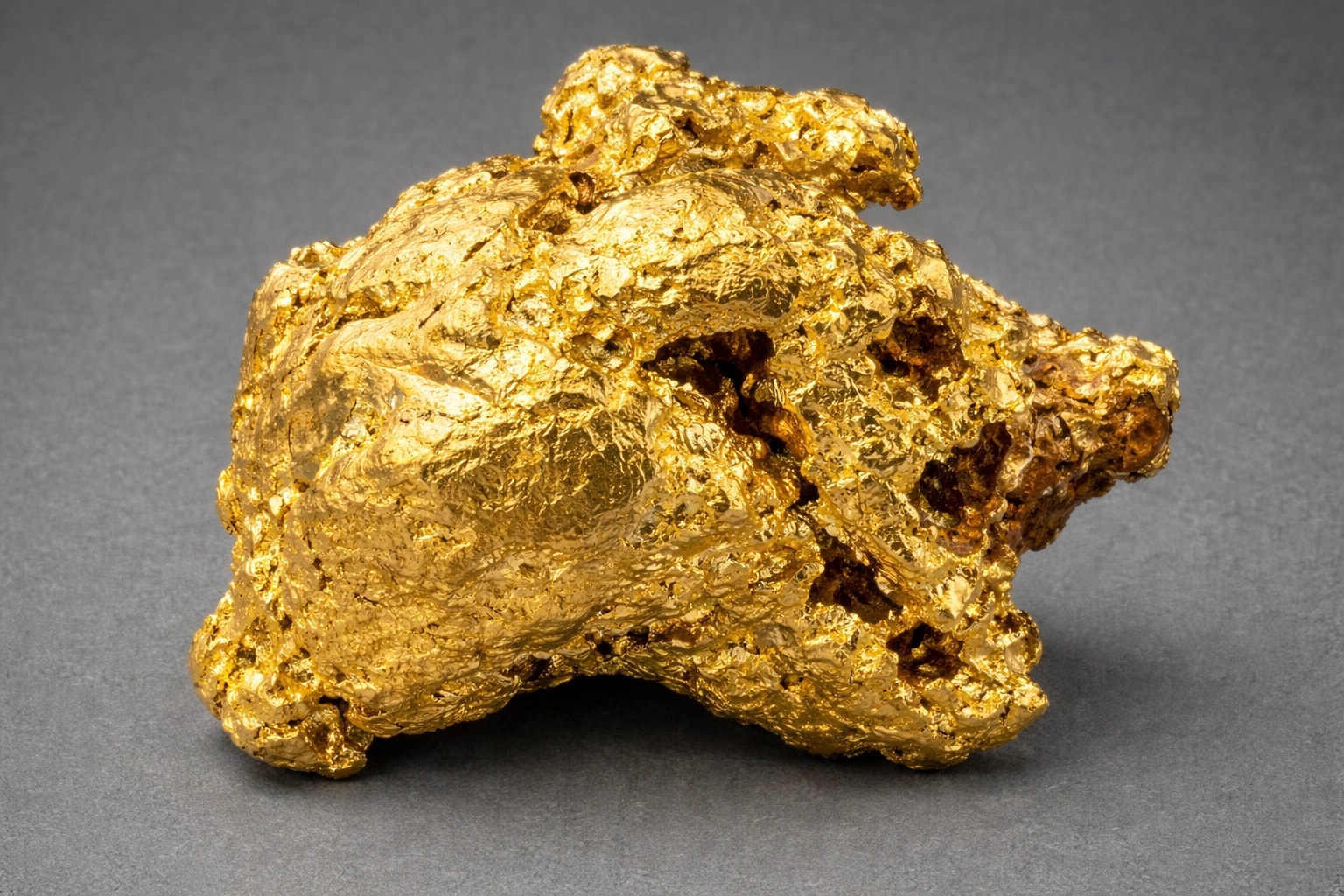
Au
Gold recovery
Semiconductor and electronics process scrap is far richer in gold than anything post-consumer — and it is worth keeping separate.
Recovery terms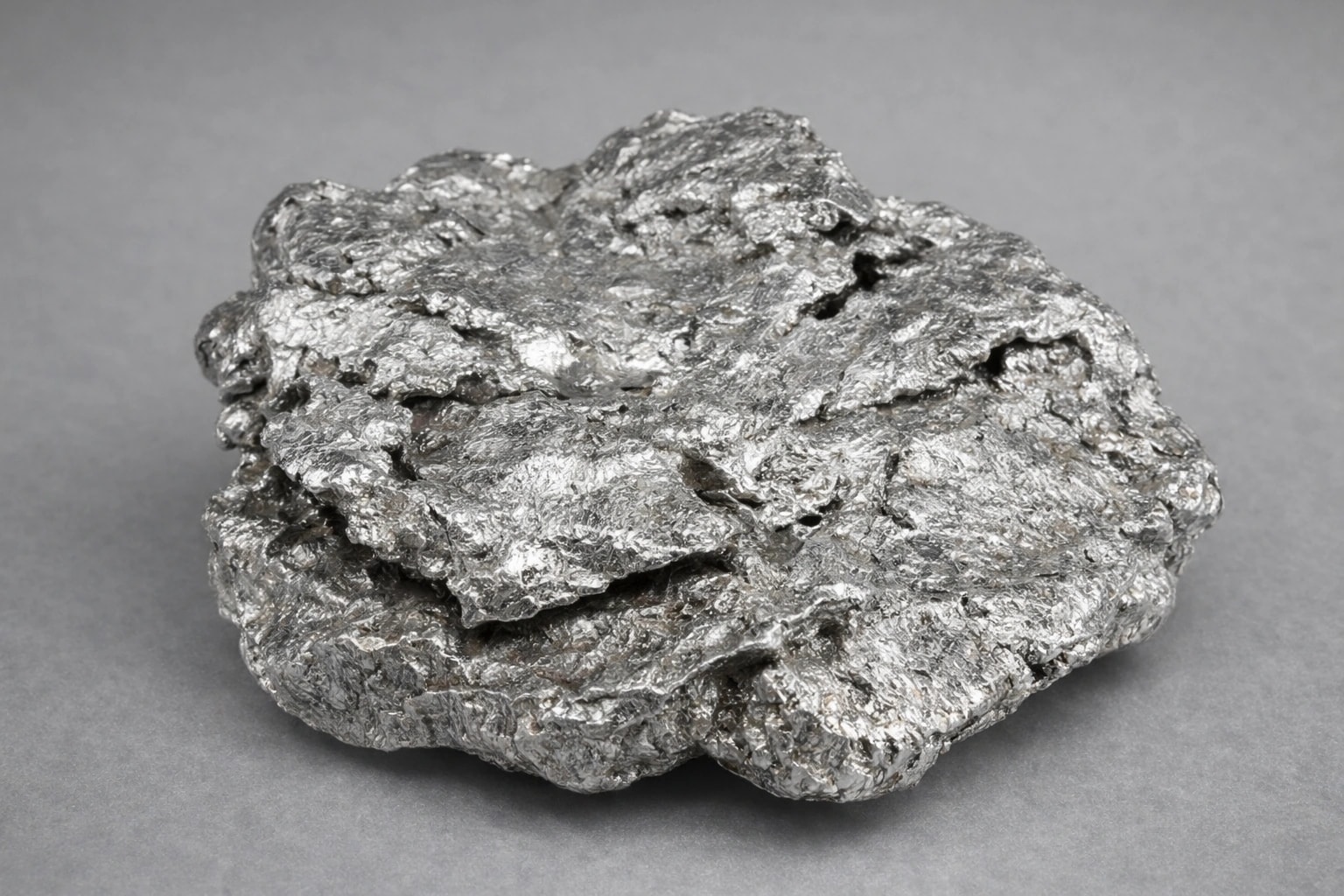
Ag
Silver recovery
Silver moves through industry in large volumes — targets, contacts, brazing alloy and solar paste all return high recovery yields.
Recovery terms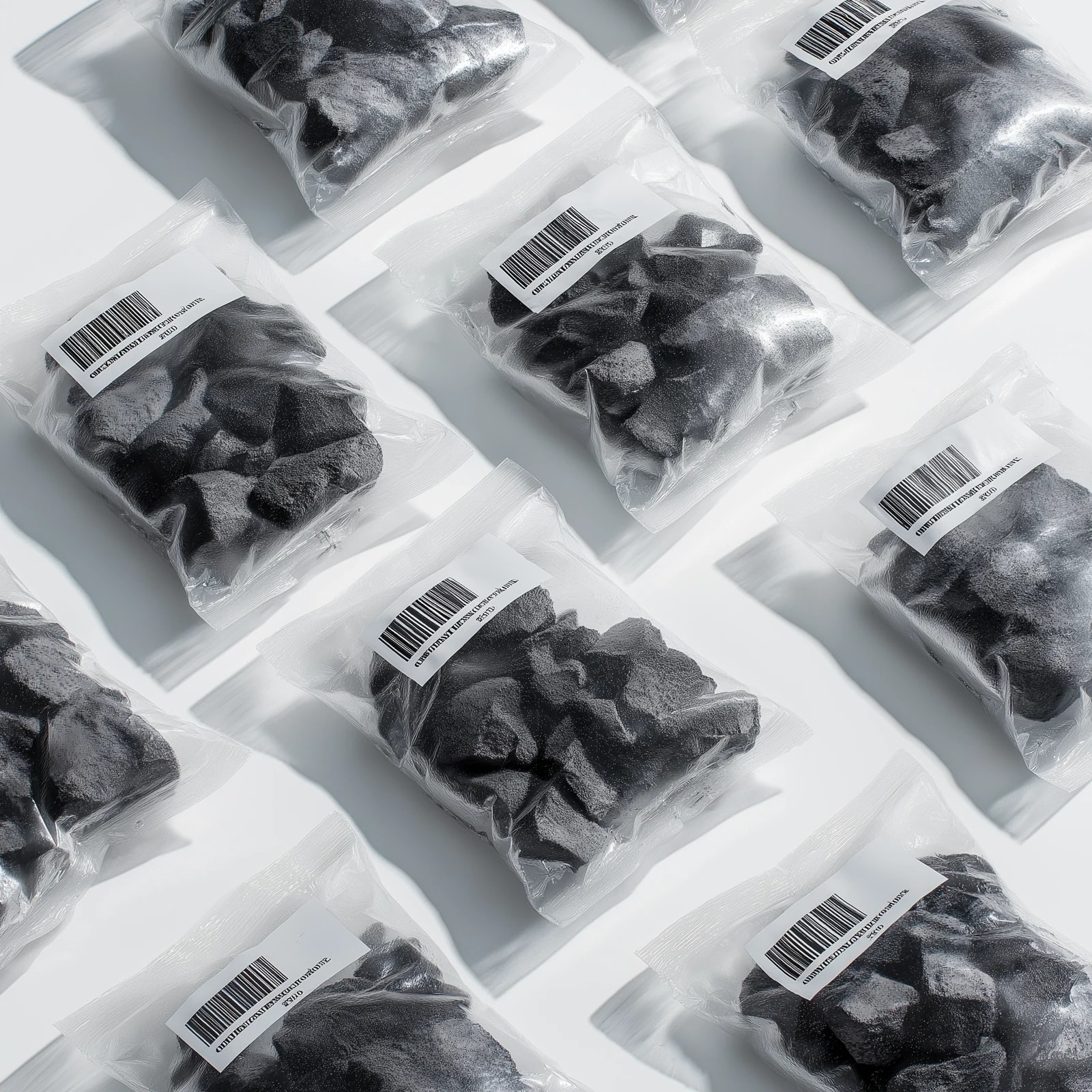
In
Indium recycling
Recovery from spent ITO targets, polishing sludge and chamber shields — where most of the world's usable indium actually comes from.
Read the guideHow it works
From your loading bay to settlement
Five steps, each of them documented, so that the number at the end is one you can check.
- 1
Collection
Sealed, numbered containers collected from your site across Europe. Chain of custody documented from the moment the drum leaves your loading bay.
- 2
Weighing and sampling
Gross and net weights recorded, material crushed and homogenised, and a representative sample split three ways: ours, yours, and an umpire sample held in reserve.
- 3
Assay
ICP-MS or fire assay depending on the stream. You receive the full analytical report — every element found, not just the one you asked about.
- 4
Refining
Metal is refined back to 4N or better and re-enters our own manufacturing, which is what lets us credit the value against new material rather than only paying cash.
- 5
Settlement
Cash against the assay, physical metal returned, or credit against your next order. Settlement in 15 working days from the agreed assay result.
Refining terms
Precious metal refining: assay, settlement and lead time
Refiners are compared on three things: how the metal content is measured, how quickly the money arrives, and whether you can check the number. These are our terms for all eight metals, from a single crucible to a drum of catalyst.
The umpire sample is the safeguard. If you dispute our assay, it goes to an independent laboratory and that result decides. You see the weights, the assay and the refining charge before you commit, and you can walk away after the assay. The route for each metal is on its platinum, palladium, rhodium, iridium or gold page, and indium is covered in the indium recycling guide.
| Indicative valuation | Within 24 hours of photographs and an approximate weight |
|---|---|
| Collection | Sealed, numbered containers; free for economically viable lots in the EU and UK |
| Sampling | Crushed and homogenised; sample split three ways — yours, ours and an umpire sample |
| Assay method | ICP-MS or fire assay, depending on the stream |
| Assay report | Full analytical report: every element found, not only the one you asked about |
| Refined purity | 4N (99.99%) or better |
| How value is calculated | Assayed metal content × agreed market reference, less a stated refining charge |
| Settlement | 15 working days from the agreed assay result |
| Settlement options | Cash, physical metal returned, or credit against new material |
| Typical lead time | 3–5 weeks from collection to settlement; labware and targets fastest |
Why a manufacturer, not a broker
We refine metal we then use ourselves
A broker buys your material and sells it on, taking a margin on the way through. Because we manufacture targets, crucibles and evaporation materials from the same metals we refine, the recovered metal has somewhere to go — which is why we can credit its value against new material instead of only offering cash at a discount.
It also changes the conversation about what your material is. When we made the original target, we already know its composition, its backing plate and its bond, so the assay starts from a known quantity rather than an argument. And the environmental arithmetic is not marketing: refined metal from a spent target carries a small fraction of the carbon burden of the primary metal it replaces.
The new material that credit can go against: sputtering targets, evaporation materials and platinum components.
Frequently asked questions
How is the value of my material calculated?
Assayed metal content multiplied by the agreed market reference on the settlement date, less a stated refining charge. Everything is visible: you see the weights, the assay and the refining terms before you commit, and the umpire sample exists precisely so that a disputed assay has an independent answer.
Do you charge for collection?
Not for economically viable lots anywhere in the EU or UK — collection is built into the refining terms. For very small quantities we will tell you up front whether the metal value covers the logistics, rather than collecting and then presenting a net figure that disappoints.
Can I get new targets instead of cash?
Yes, and it is usually the better deal. Crediting the recovered metal against new material avoids a buy-sell spread on the same metal, so on precious metal targets a credit is normally worth meaningfully more to you than a cash settlement.
What if I do not know what my material contains?
That is the normal case with shields, sludge and old labware. Send photographs and an approximate weight; we will give an indicative view within 24 hours and a firm number after assay. There is no obligation to proceed once you have seen the assay.
How long does the whole process take?
Typically three to five weeks from collection to settlement, depending on the stream. Clean labware and spent targets move fastest; catalyst and sludge take longer because drying, homogenisation and assay are slower on heterogeneous material.
Find out what is sitting in the corner of your fab
Photographs and an approximate weight are enough for an indicative valuation within 24 hours. A firm figure follows the assay, and you are free to walk away after seeing it.
Drawings, STEP files and photographs can be attached to the form. Prefer to talk it through? Leave a phone number and ask for a call.
What to include
- What the material is — target, labware, catalyst, shield or sludge
- Approximate weight and how it is packaged
- Whether you want cash, metal returned, or credit against new material
No drawing? Send photographs of the worn part — we can work from that.