
Metal recovery
Rhodium Recovery & Refining
Rhodium is the most valuable of the platinum group metals — small quantities of spent catalyst are often worth recovering on their own.
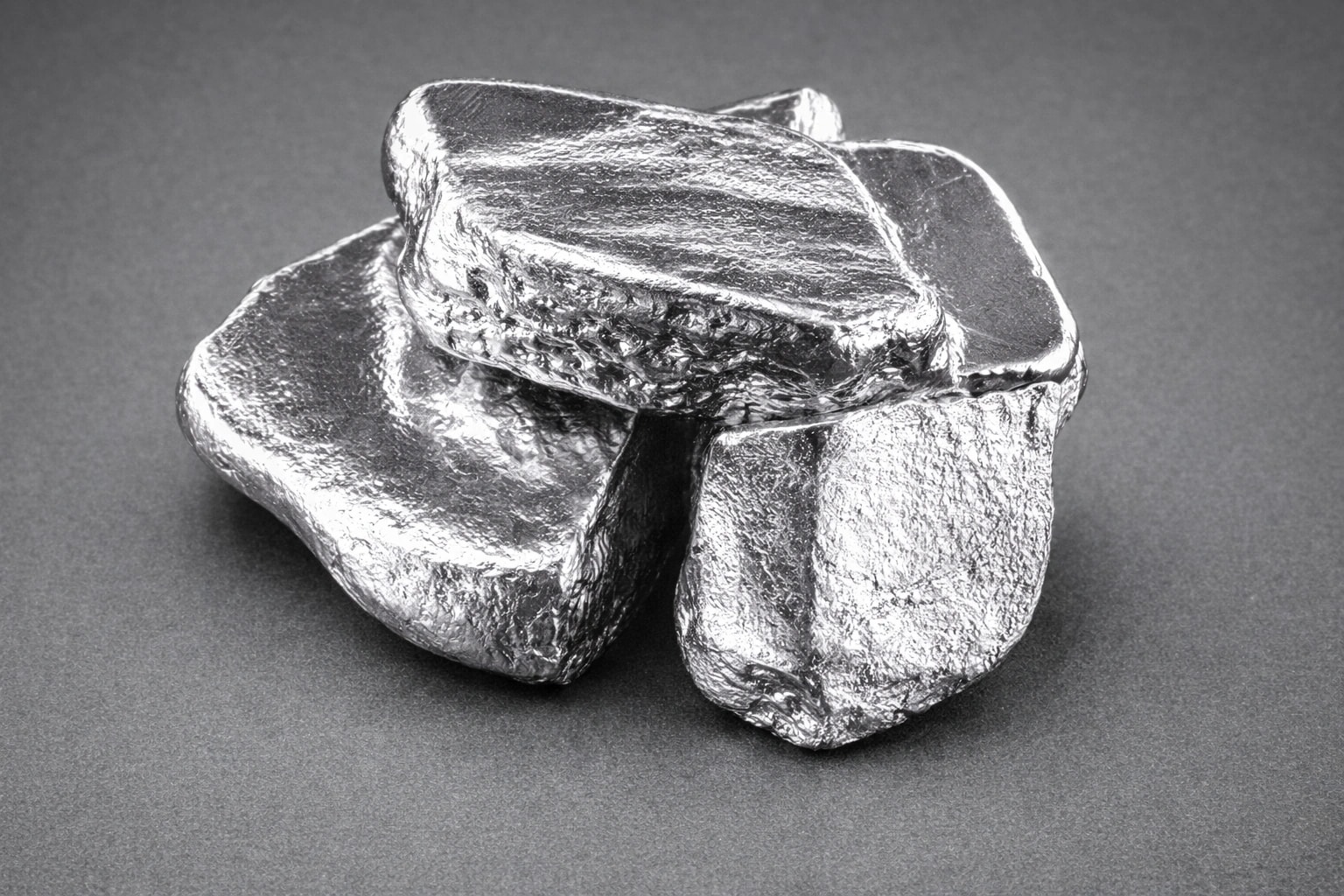
- Refined output
- 99.95% (3N5) refined output
- Settlement
- 15 working days
- Assay
- Full report supplied
- Collection
- Across Europe
Rhodium-bearing material we accept
- Spent rhodium catalyst from hydroformylation and oxo processes
- Autocatalyst and industrial three-way catalyst residues
- Rhodium plating solutions and spent electrolyte
- Rhodium-plated jewellery, mirrors and optical components
- Sputtering targets, crucibles and thermocouple wire
Not sure whether your material qualifies? Send a photograph and an approximate weight through the valuation form — we will tell you within 24 hours whether it is worth refining.
Why rhodium recovery is worth doing
Rhodium is extraordinarily scarce. Global primary production is a fraction of platinum's, and roughly 80% comes from a single country. The price has been among the most volatile of any traded metal, which cuts both ways: it makes recovery unusually valuable and makes timing the sale worth thinking about.
The largest industrial use is in three-way catalytic converters, where rhodium reduces NOx and nothing else does the job as well. The chemical industry is the other major user, particularly in hydroformylation, where homogeneous rhodium catalysts convert alkenes to aldehydes at very large scale.
Spent chemical catalyst is often dismissed because the rhodium loading looks low. At rhodium prices, that assumption is frequently wrong — even a few hundred ppm across a reasonable tonnage is worth assaying properly before anything is written off.
The refining process, step by step
- 1
Assessment
Send us the material description and any historical loading data. We tell you before collection whether recovery is economic and what the likely yield is.
- 2
Collection and chain of custody
Sealed, numbered containers collected across Europe, with documented custody at every transfer.
- 3
Sampling and assay
Incineration where the carrier is organic, then homogenisation and ICP-OES assay. Full analytical report supplied; umpire sample held on request.
- 4
Refining
Dissolution and selective precipitation separate rhodium from accompanying PGMs and base metals, yielding 99.95% rhodium sponge or salt.
- 5
Settlement
Cash at the agreed reference price within 15 working days, or metal credited to your account if you prefer to hold the position.
Where rhodium is used
Knowing the application usually tells us where the metal ends up — and therefore what is worth collecting.
- Homogeneous catalyst for hydroformylation and oxo synthesis
- Three-way catalytic converters for NOx reduction
- Rhodium plating for jewellery, mirrors and electrical contacts
- Pt/Rh thermocouples for high-temperature measurement
- Glass fibre bushings and high-temperature crucibles
Rhodium recovery — frequently asked
Is it worth recovering rhodium from low-grade spent catalyst?
More often than people assume. Rhodium's value per gram means that even a few hundred ppm across a modest tonnage can justify the process. Send us the loading and tonnage and we will tell you whether it is economic before you commit to anything — that assessment is free.
How do you handle rhodium on an organic carrier?
Homogeneous catalyst residues and organic-bound rhodium are incinerated under controlled conditions to remove the carrier, leaving an ash that can be homogenised and sampled representatively. Yields are good, but the preparation step means the timeline runs slightly longer than for solid metal.
Do you recover rhodium from plating waste and other residues?
Yes. Rhodium waste recovery is not limited to catalyst: spent plating solutions and electrolyte, rinse-water sludge, plated scrap, thermocouple wire and crucible fragments are all assayed and refined. Liquids are concentrated before sampling, and we confirm the economics from a description before anything is collected.
What documentation do I get?
Weight-in certificate, sampling record, complete ICP-OES or fire assay report covering all PGMs present, and a settlement statement showing metal content, reference price and refining charge as separate lines. Nothing is aggregated into a single unexplained figure.
Should I sell the rhodium or hold it?
Rhodium is one of the most volatile traded metals, so this genuinely matters. We can settle in cash at the agreed price, hold refined metal to your account, or credit it against future purchases. Customers with continuing rhodium demand usually prefer a metal account to avoid buying back later at an unknown price.
Send us your rhodium-bearing material
Spent targets, catalyst, electrodes, sludge or sweepings — if it contains rhodium, we will assay it and tell you exactly what is in there. Indicative valuation within 24 hours.
Drawings, STEP files and photographs can be attached to the form. Prefer to talk it through? Leave a phone number and ask for a call.
What to include
- Material type and rough composition
- Approximate weight and number of containers
- Whether you want cash settlement or credit
No drawing? Send photographs of the worn part — we can work from that.
New material
Sputtering targets and components we manufacture
Recovery value can be credited against new material — qualified in Europe, accountable in Europe, built to your specification.
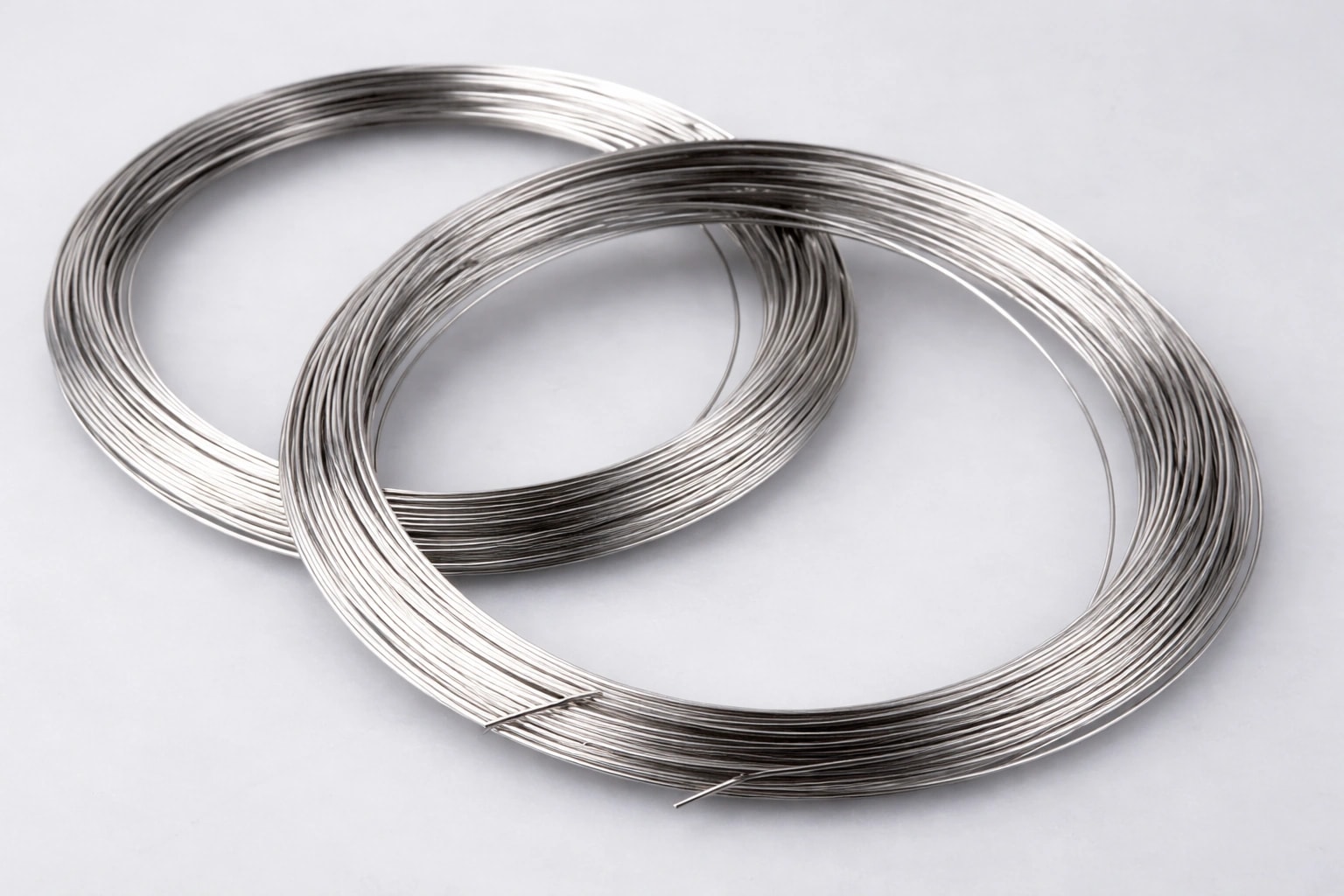
99.95% Pt, Pt/Au 95:5, Pt/Rh 90:10 and 87:13, Pt/Ir
Platinum Components
Platinum labware and fabricated parts — crucibles, dishes, wire, gauze and electrodes — hand-formed and machined to drawing, with buy-back on everything you return.
Specifications & quote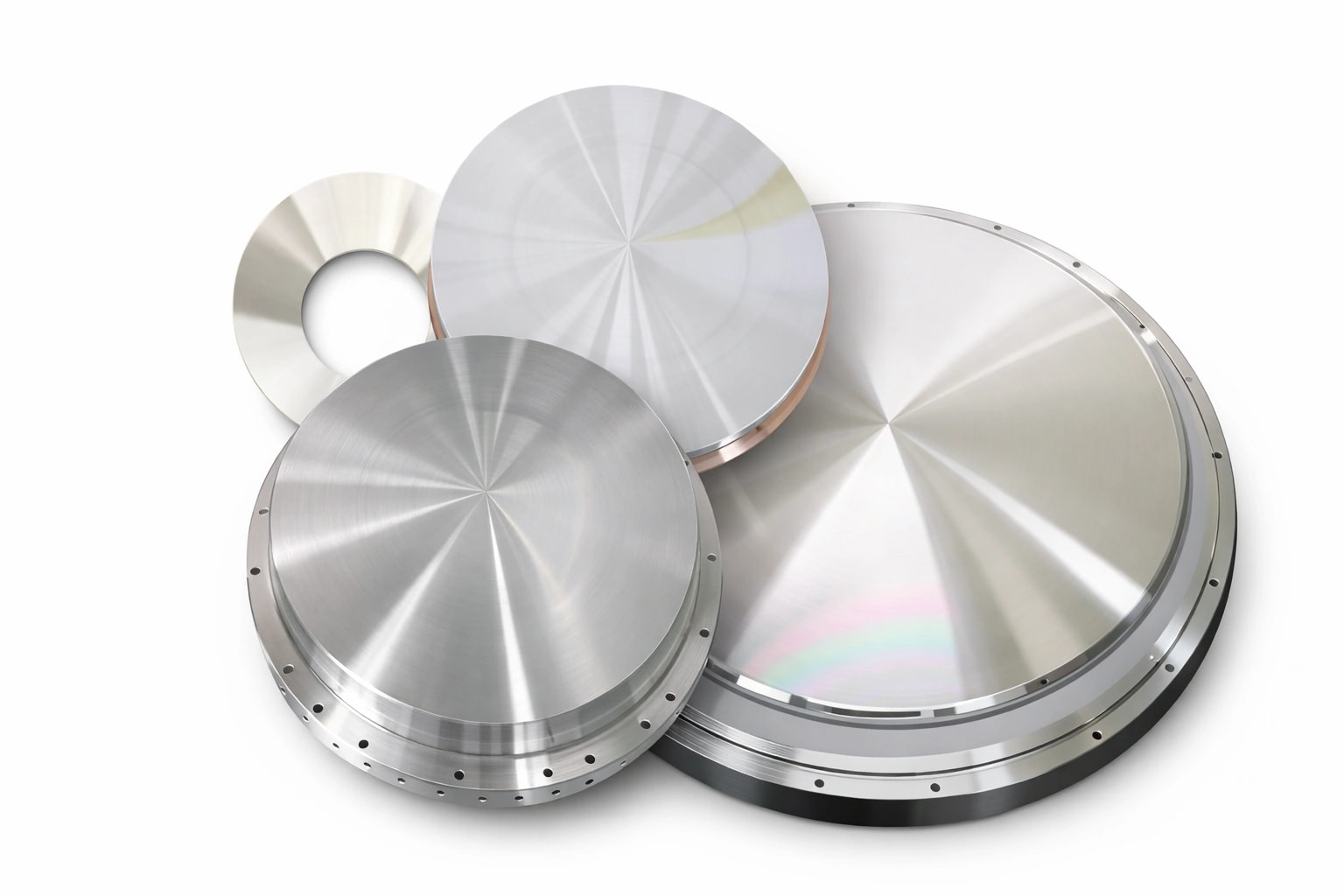
99.99% – 99.999% (4N – 5N)
Sputtering Targets
High-purity planar, rotary and custom sputtering targets, qualified against our European standards and shipped from inside the EU with a certificate of analysis on every plate.
Specifications & quote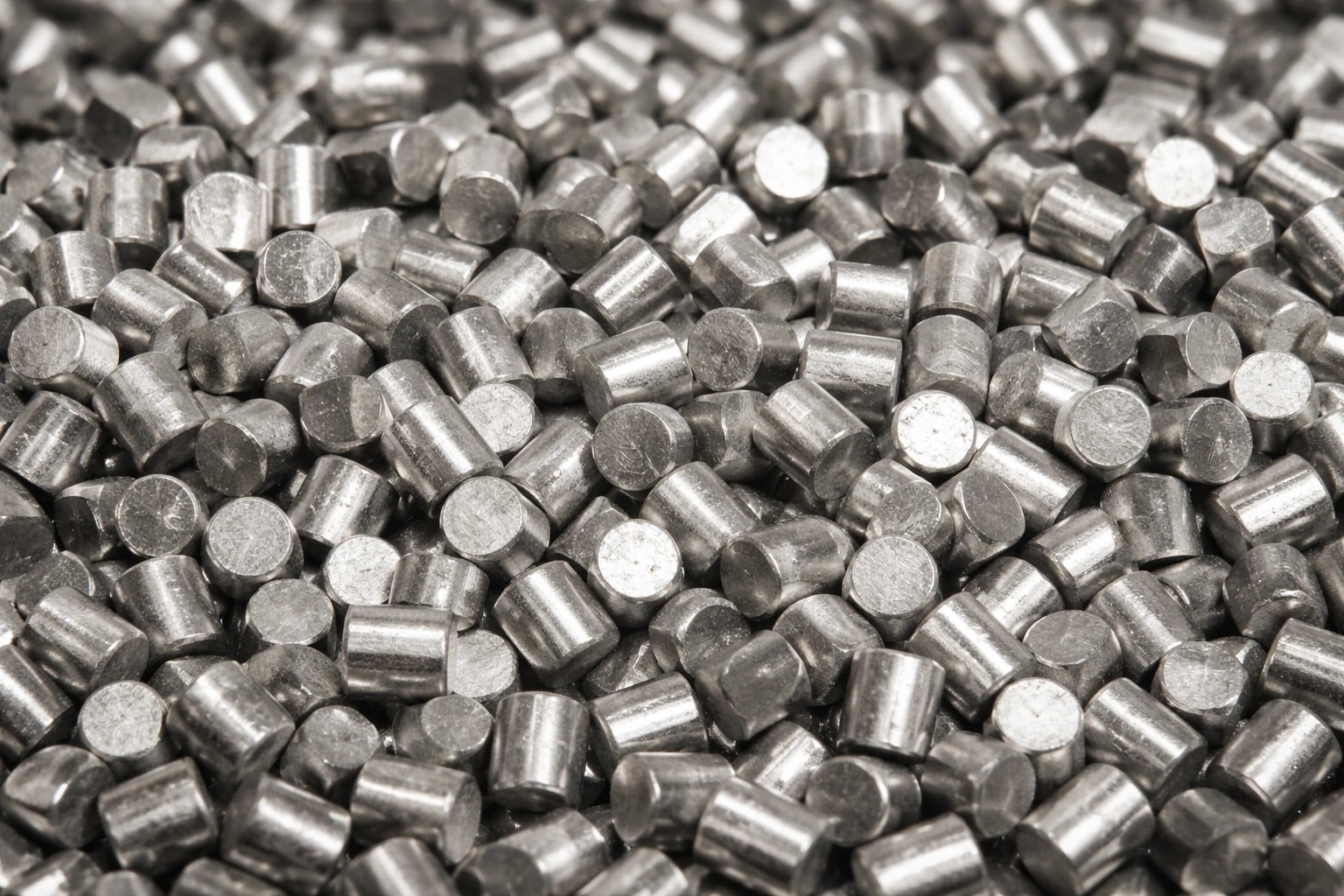
99.99% – 99.999% (4N – 5N)
Evaporation Materials
Pellets, slugs, shot, corn and wire in 4N and 5N purity — sized to your crucible and hearth, supplied from Europe.
Specifications & quoteOther metals we recover
Mixed material is normal. We assay and settle each metal separately.
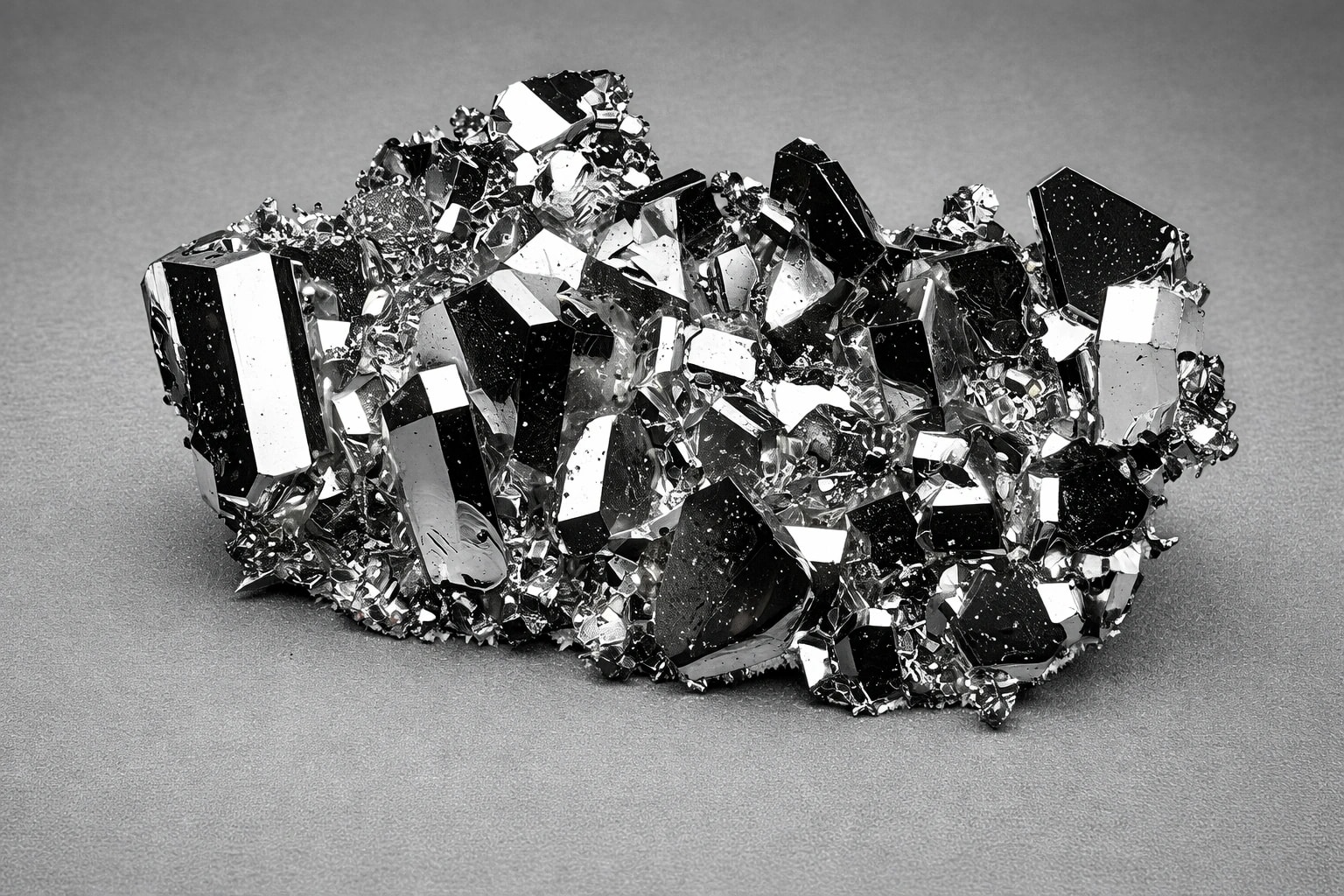
Ru
Ruthenium recovery
Ruthenium is the scarcest of the platinum group metals in supply terms — recovering yours is usually worth considerably more than you expect.
Recovery terms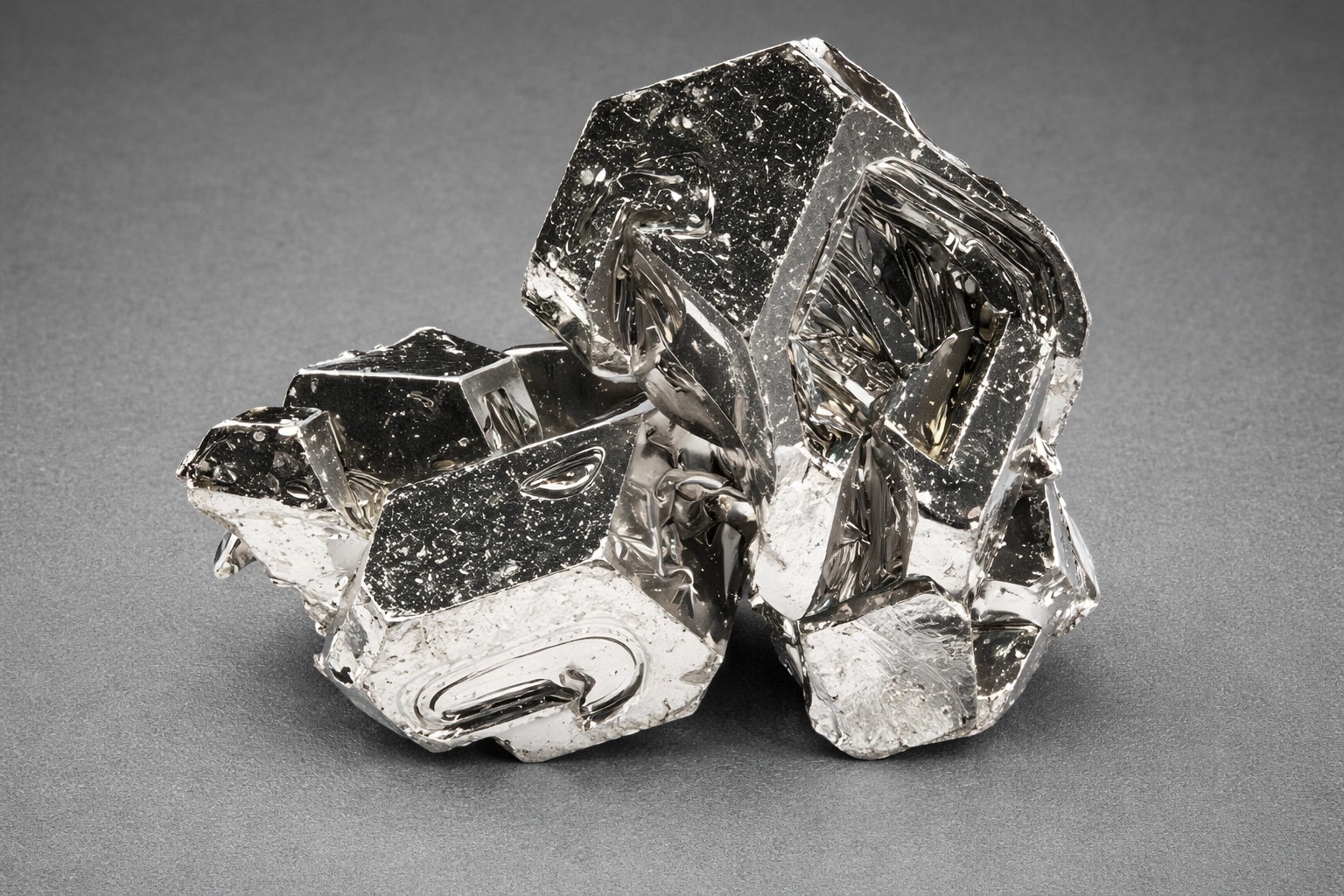
Pd
Palladium recovery
Palladium moves through catalyst, electronics and thin films in large volumes — and most of it can be recovered at high yield.
Recovery terms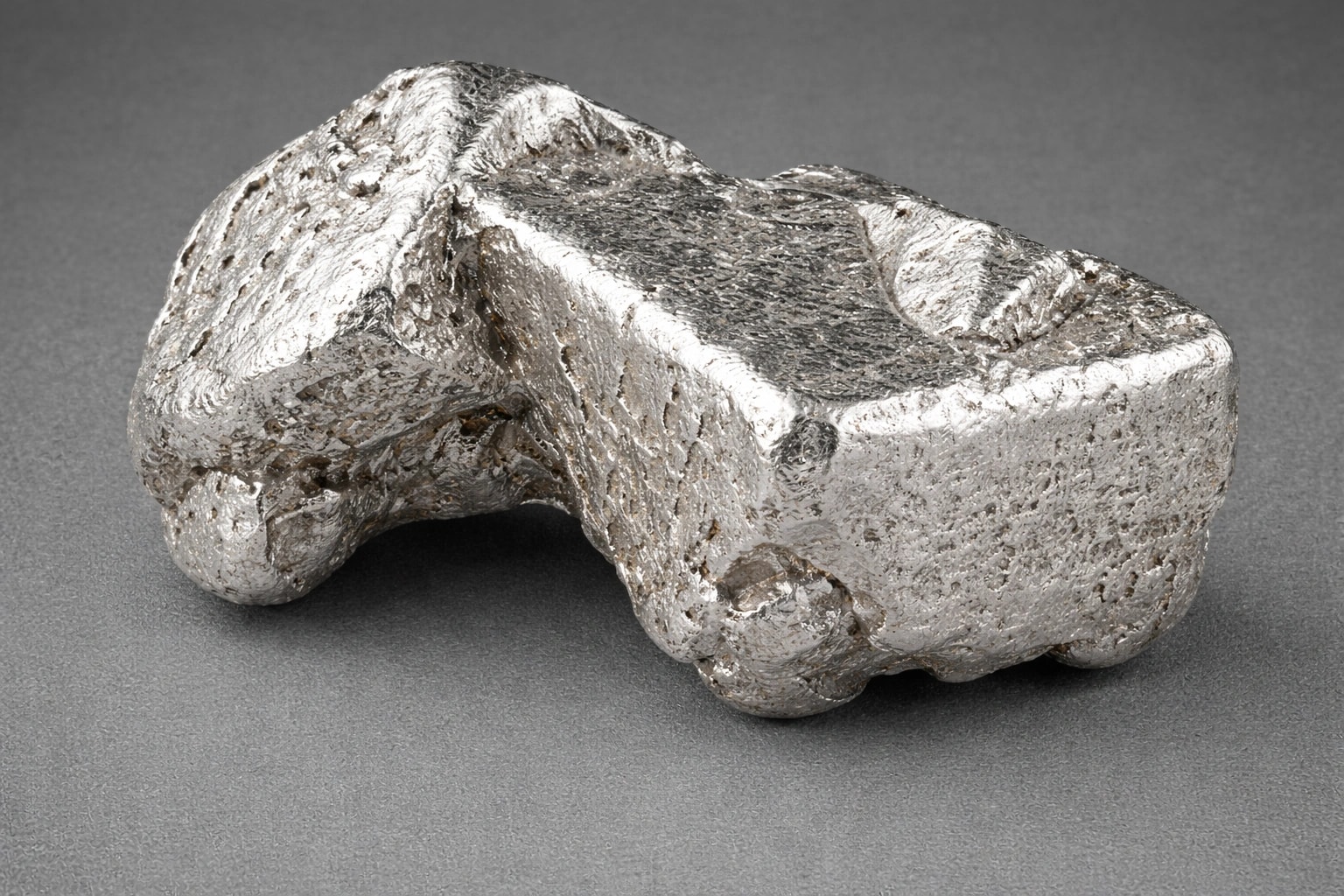
Pt
Platinum recovery
Platinum labware and process metal is a capital asset, not a consumable — worn and damaged pieces retain essentially their full metal value.
Recovery termsAlso searched as: rhodium recovery, spent rhodium catalyst, rhodium waste recovery, rhodium refining, Rh recycling, rhodium catalyst recovery.