
Materials
ITO Powder for Target Production & Coatings
Indium tin oxide powder with controlled particle size and specific surface area — for sputtering target pressing, conductive inks and sol-gel coatings.

- Composition
- In₂O₃/SnO₂ 90:10 standard, 95:5 on request
- Purity
- ≥ 99.99% (4N)
- Particle size
- Specified to application, deagglomerated
- Surface area
- Controlled BET, stated on certificate
Purity up to 99.999%
5N material with certificate of analysis
Quote within 24 h
Technical review by materials engineers
Shipped from Europe
Dispatched inside the EU, customs handled at our end
Custom dimensions
Built to your tool and bonding spec
What matters when you specify ITO powders
ITO powder is the feedstock for sputtering target production and the pigment in conductive inks and coatings. The composition is the same 90:10 In₂O₃/SnO₂ as the finished target, but for powder the critical parameters are physical rather than chemical: particle size distribution, specific surface area and agglomeration state.
Those parameters control whether a pressed target reaches the density it needs. A powder with a narrow, well-controlled size distribution packs efficiently and sinters to above 99% of theoretical density. A poorly controlled one leaves porosity, and porous targets form nodules, arc and throw particles — so the powder specification determines the finished target's behaviour on your line.
For conductive inks, printed electronics and sol-gel coatings, the requirements shift. Finer particles and controlled surface chemistry govern dispersion stability and film uniformity, and agglomerates that would merely reduce green density in a pressed target will block a print head or leave visible defects in a coating.
Indium supply is concentrated and prices move, which makes recovery part of the economics rather than an afterthought. Off-spec powder, grinding sludge, overspray and process residues all carry recoverable indium. We refine returned material and credit it against new powder.
How to choose
Which particle size?
Coarser powders with a controlled distribution pack and sinter efficiently for target pressing. Finer powders with higher specific surface area suit inks, coatings and sol-gel routes where dispersion matters more than green density. Tell us the process and we will specify the grade rather than quoting a single nominal figure.
Composition ratio
90:10 In₂O₃/SnO₂ is the standard, matching the finished film composition near the conductivity optimum. 95:5 and other ratios are available where the application calls for higher transparency at the cost of conductivity, or where you are matching an existing process.
Why agglomeration matters
Agglomerates survive pressing as low-density regions that sinter poorly, leaving porosity that becomes nodules on the finished target. In inks they block print heads and leave coating defects. Deagglomerated powder with a stated distribution costs more and is almost always worth it.
Indium recovery on residues
Off-spec powder, grinding sludge, overspray and rejected green bodies all hold recoverable indium. Given indium's price and supply concentration, these streams are worth segregating and returning — we refine them and credit the metal against new powder.
Manufacturing capability
The envelope we work within. If your requirement sits outside it, ask anyway — most limits here are standard-product limits, not process limits.
| Composition | In₂O₃/SnO₂ 90:10 standard, 95:5 on request |
|---|---|
| Purity | ≥ 99.99% (4N) |
| Particle size | Specified to application, deagglomerated |
| Surface area | Controlled BET, stated on certificate |
| Packaging | Sealed under inert atmosphere |
| Indium recovery | Residues and sludge credited at assay |
ITO Powders — frequently asked
What ITO powder specification do I need for sputtering target production?
The composition is straightforward — 90:10 In₂O₃/SnO₂ at ≥99.99%. The parameters that decide your finished target are physical: a narrow particle size distribution, controlled specific surface area and minimal agglomeration, so the pressed body sinters above 99% of theoretical density. Tell us your pressing and sintering route and we will match the grade.
Why does powder quality affect finished target performance?
Because porosity in the target is inherited from the powder. Agglomerates survive pressing as low-density regions that sinter poorly, leaving pores. Those pores become nodules during sputtering — they arc, throw particles into your film and eventually force an unscheduled chamber opening. Powder specification is where target behaviour is decided.
Can ITO powder be used for inks and coatings?
Yes, with a different grade. Inks, printed electronics and sol-gel coatings need finer particles and controlled surface chemistry for dispersion stability, rather than the packing characteristics that matter for pressing. Tell us the application and the carrier system and we will specify accordingly.
Do you recover indium from powder residues?
Yes. Off-spec powder, grinding sludge, overspray and rejected green bodies all carry recoverable indium at meaningful concentrations. We refine returned material and credit it against new powder — with indium prices where they are, this is worth building into the process rather than treating as waste disposal.
Request a quote for ITO powders
Send your specification and a materials engineer will price it — not a sales form auto-reply. Quotes for ITO powders are returned within 24 hours.
Drawings, STEP files and photographs can be attached to the form. Prefer to talk it through? Leave a phone number and ask for a call.
What to include
- Material, grade and purity you need
- Dimensions, tolerances or a drawing
- Quantity and the date you need it
No drawing? Send photographs of the worn part — we can work from that.
Also manufactured
Other materials we make in Europe
Same certificate of analysis, same quote turnaround, one supplier.
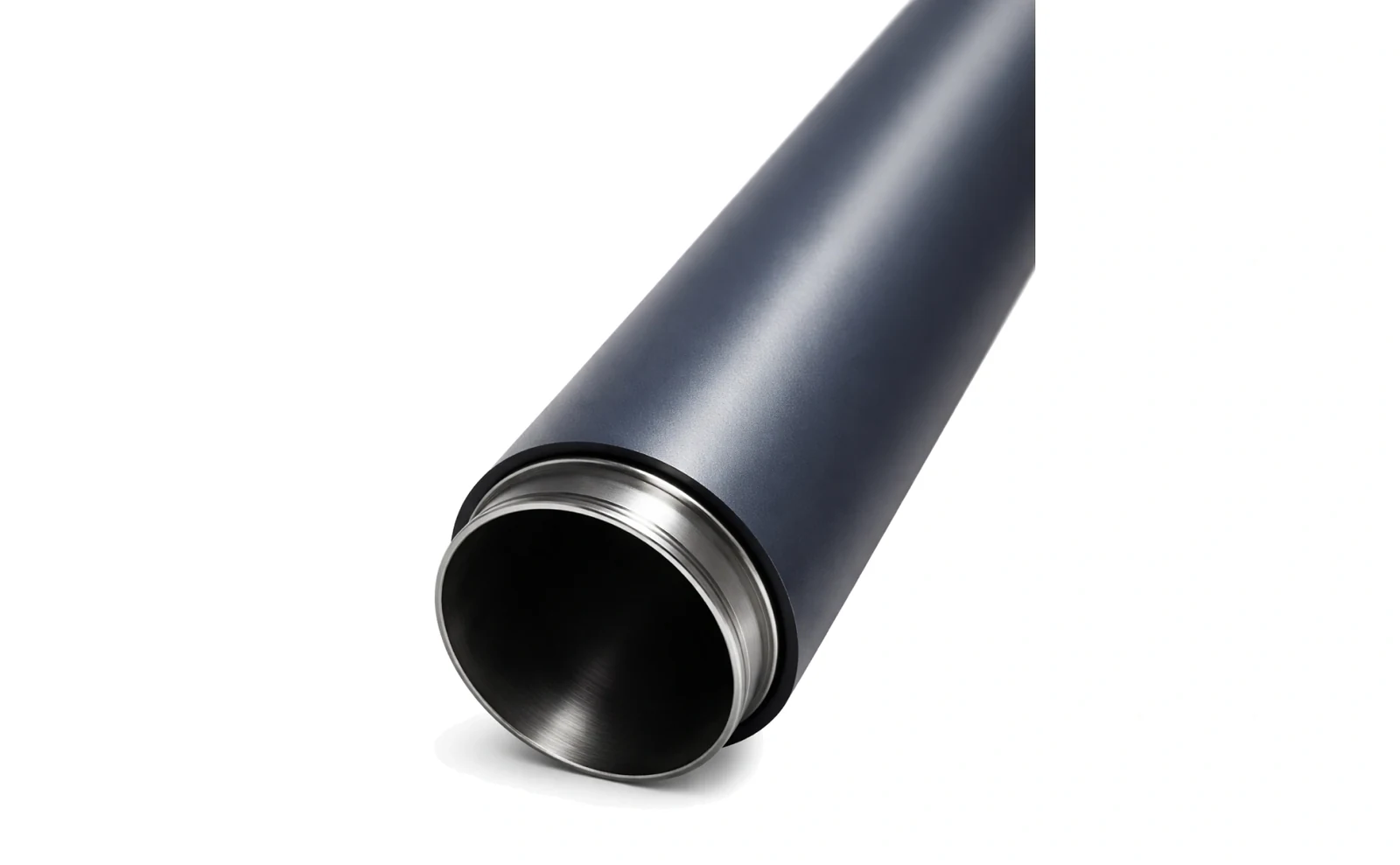
In₂O₃/SnO₂ 90:10 standard, 95:5 on request
ITO Targets
Indium tin oxide targets in planar, rotary and disc formats — high density, low nodule formation, made to your tool dimensions in Europe.
Specifications & quote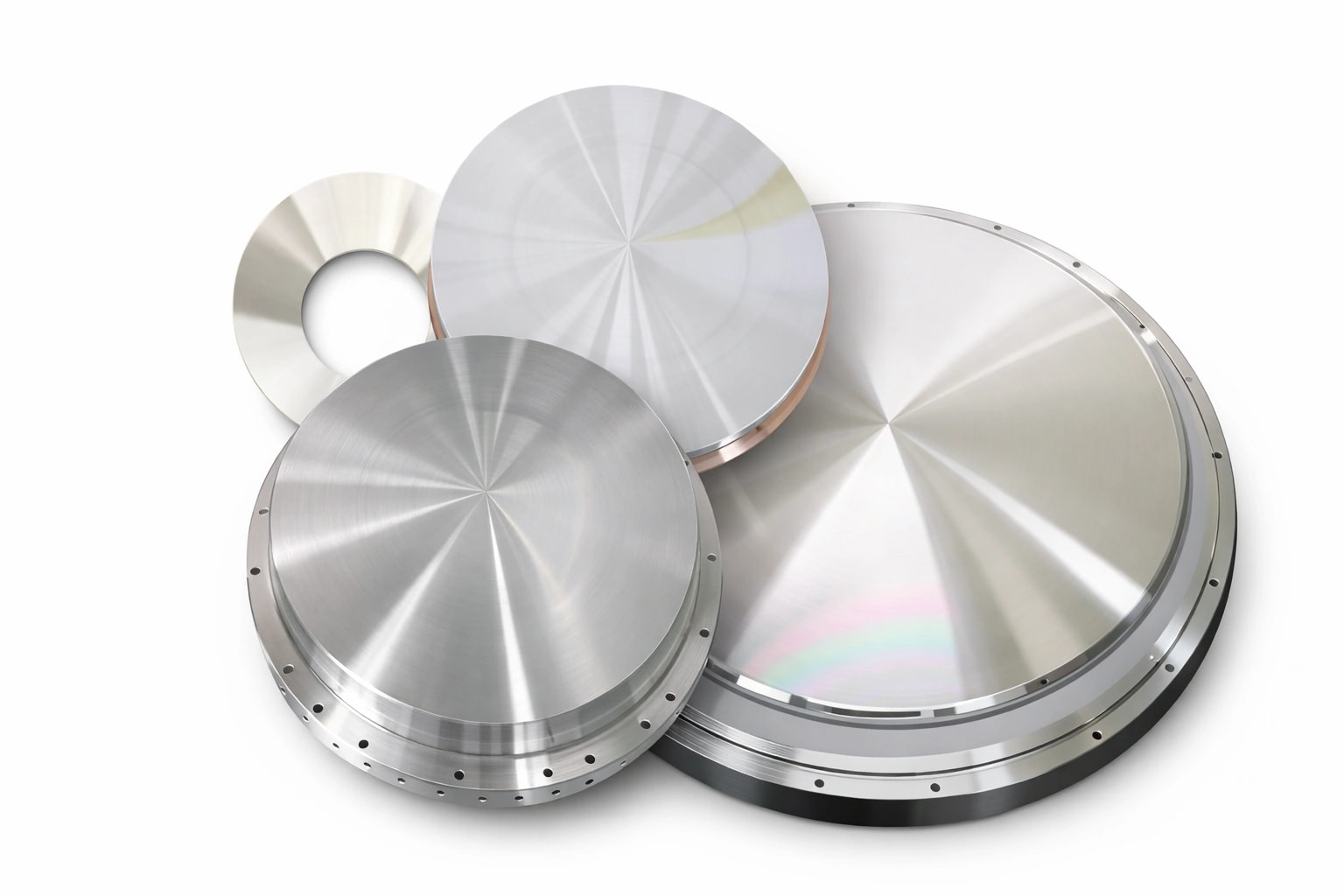
99.99% – 99.999% (4N – 5N)
Sputtering Targets
High-purity planar, rotary and custom sputtering targets, qualified against our European standards and shipped from inside the EU with a certificate of analysis on every plate.
Specifications & quote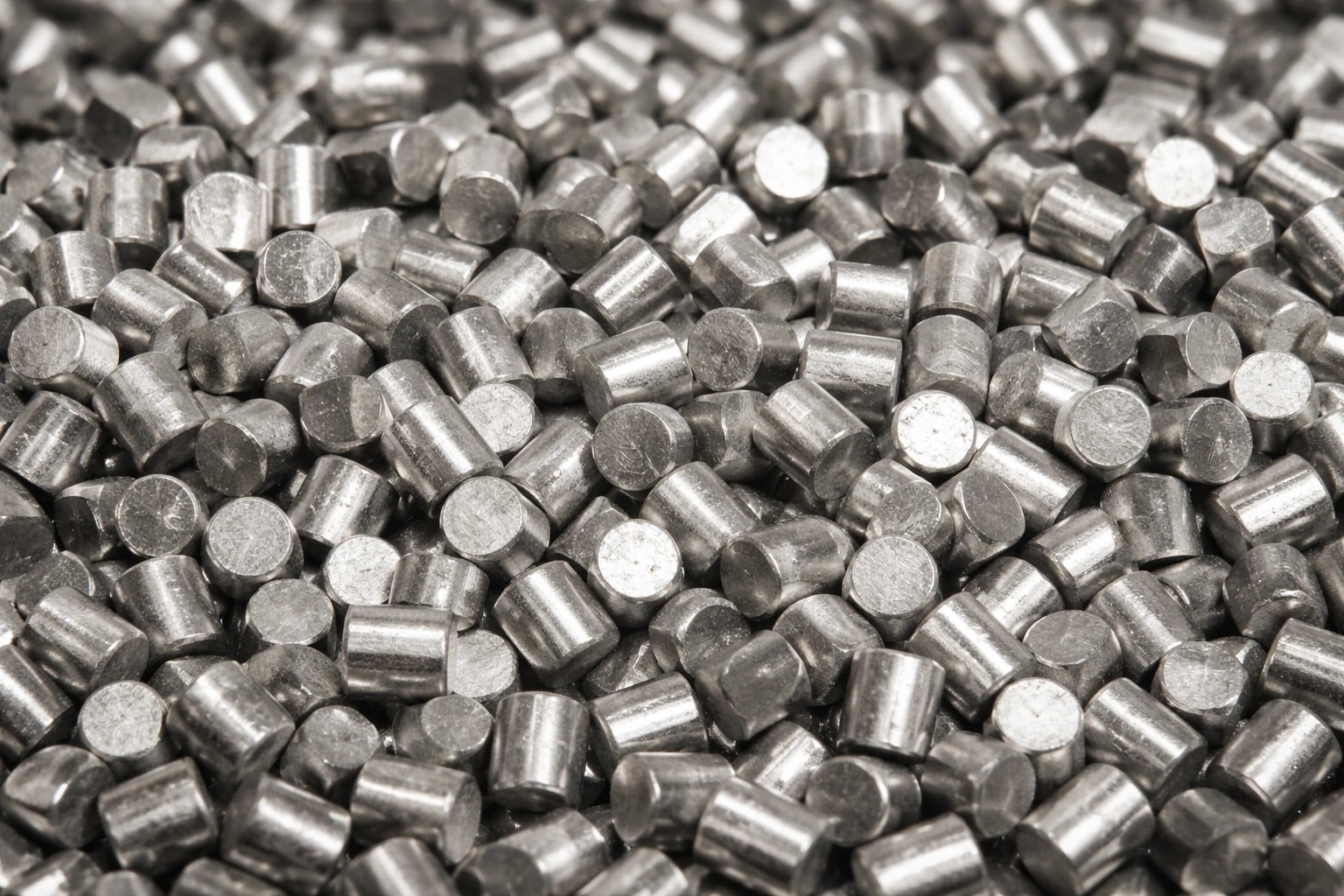
99.99% – 99.999% (4N – 5N)
Evaporation Materials
Pellets, slugs, shot, corn and wire in 4N and 5N purity — sized to your crucible and hearth, supplied from Europe.
Specifications & quoteTechnical guides
Read before you specify
Written by the engineers who quote these parts, not by a content agency.

7 min read
ITO Powder for Sputtering Target Production
How ITO powder specification — particle size, surface area, agglomeration — decides finished target density, nodule formation and arcing. Practical guidance.
Read the guide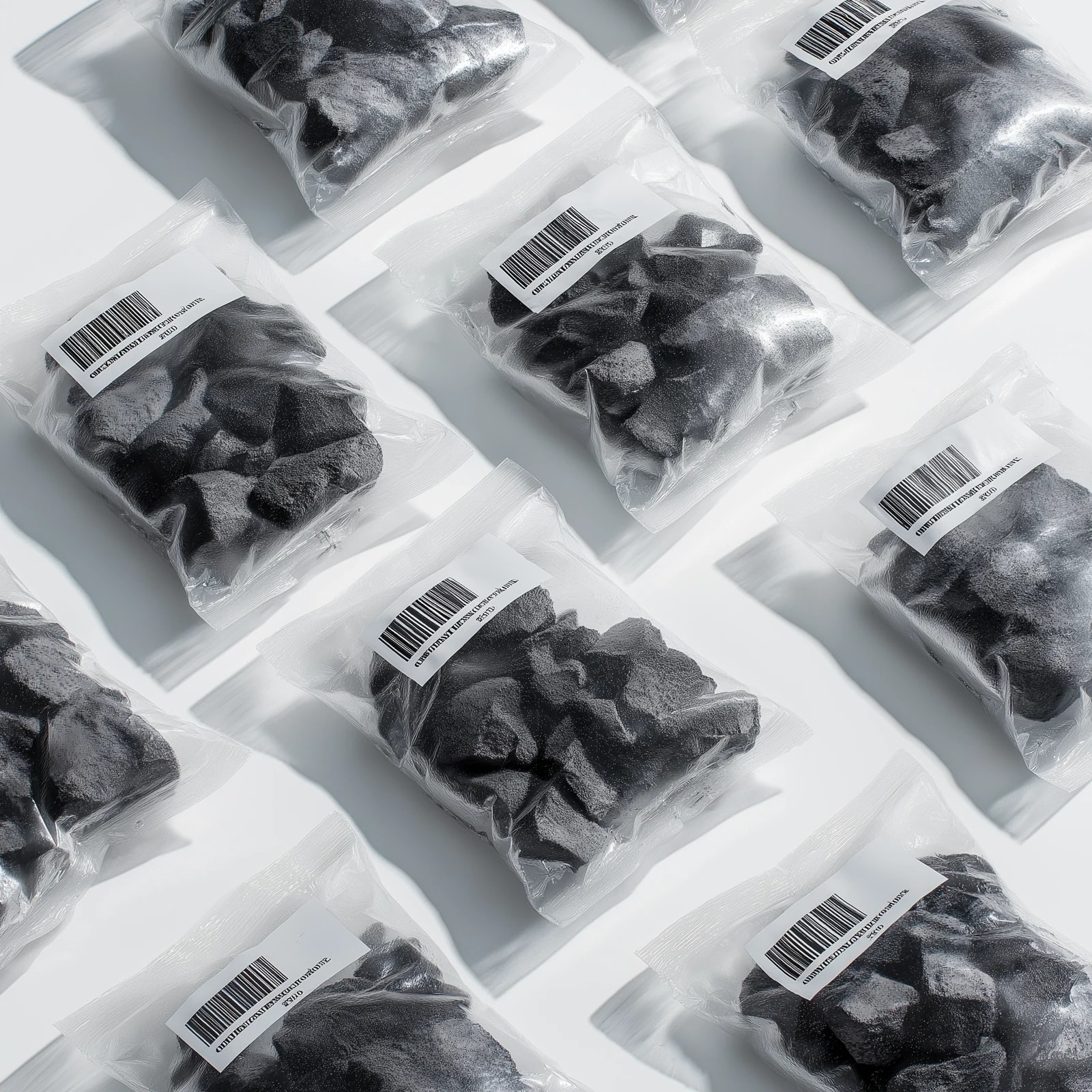
7 min read
Indium Recycling: Recovery from Targets & Sludge
Spent ITO targets keep 60–70% of their indium. How recovery works, which streams are worth segregating, and what assay and settlement should look like.
Read the guideAlso searched as: ITO powder, indium tin oxide powder, ITO powder for sputtering target production, conductive oxide powder.