Why indium supply makes recovery strategic
Indium is not mined. It is recovered as a by-product of zinc refining, which means the quantity produced is set by zinc demand rather than by indium demand. When indium demand rises, supply cannot respond — no one opens an indium mine, because there are none.
The consequence is price volatility and genuine supply risk for anyone whose process depends on it. Indium has appeared on the EU critical raw materials list for exactly this reason. Recovery is the only supply source that responds to your own demand rather than to the zinc market.
The economics are favourable before any of that is considered. Recoverable process streams carry indium at percent-level concentrations. Zinc ores carry it at parts per million. Recovering it from your own scrap is an easier metallurgical problem than producing it from ore, which is why recovered indium competes on cost rather than only on principle.
Where the indium actually is
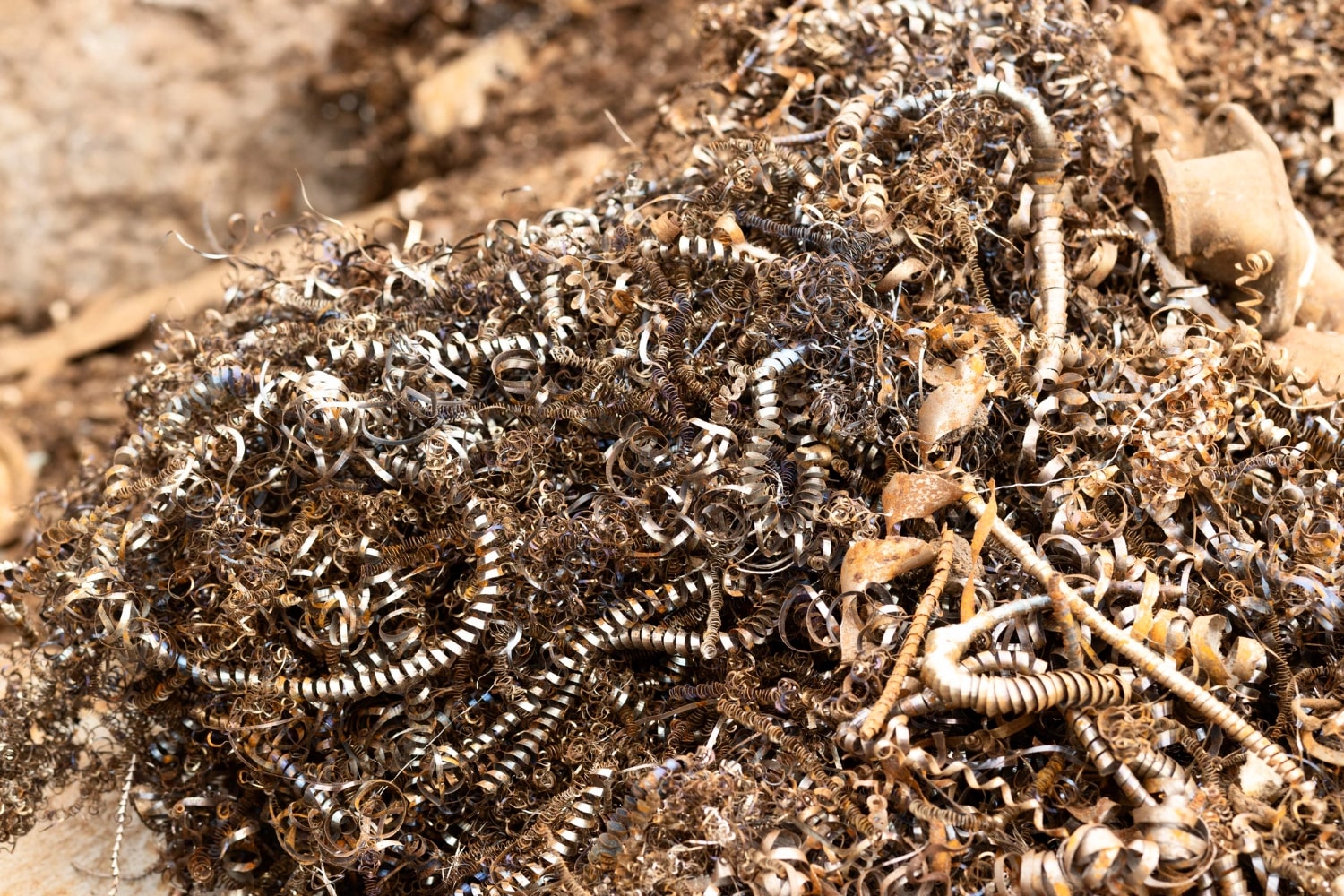
Most facilities have more recoverable indium than they realise, spread across streams that are individually easy to dismiss.
| Stream | Typical indium content | Note |
|---|---|---|
| Spent ITO targets | 60–70% of original | The largest single stream by far |
| Grinding and lapping sludge | High, but wet and mixed | Keep dry and segregated; assays drop when mixed |
| Chamber shields and masks | Variable, accumulates over time | Strip-down material is worth collecting |
| Off-spec and expired powder | Full value | No processing loss — effectively unused material |
| Rejected green bodies | Full value | Pre-sintering scrap returns cleanly |
| Etching solutions | Low but recoverable in volume | Worth it at production scale |
How recovery works

Spent targets and solid scrap are crushed and leached, usually in hydrochloric or sulfuric acid, taking the indium into solution along with tin and whatever else is present. Solvent extraction then separates indium selectively from that solution, and electrowinning or cementation with zinc recovers the metal. A final refining step takes it to 4N or higher.
Sludges and solutions follow a similar route with a different front end — concentration and filtration first, then the same leach and extraction sequence. The metallurgy is well established; the practical difficulty is almost always the condition the material arrives in rather than the chemistry.
Bonded targets need the backing plate and the indium bonding layer accounted for separately. The bonding indium is itself recoverable, which surprises people, and the backing plate is usually copper with its own modest value.
What settlement should look like
A credible recovery arrangement is transparent at every step, and you should expect all of the following as standard rather than on request.
- Incoming weight recorded and confirmed to you before processing begins.
- Homogenisation and representative sampling, with a sample retained for you.
- Full assay report showing indium content and the method used.
- An umpire sample available for independent analysis if you dispute the assay.
- Settlement terms stated up front — refining charge, payable percentage and timing.
- Payment in metal, in cash, or as credit against new material, at your choice.
Practical handling
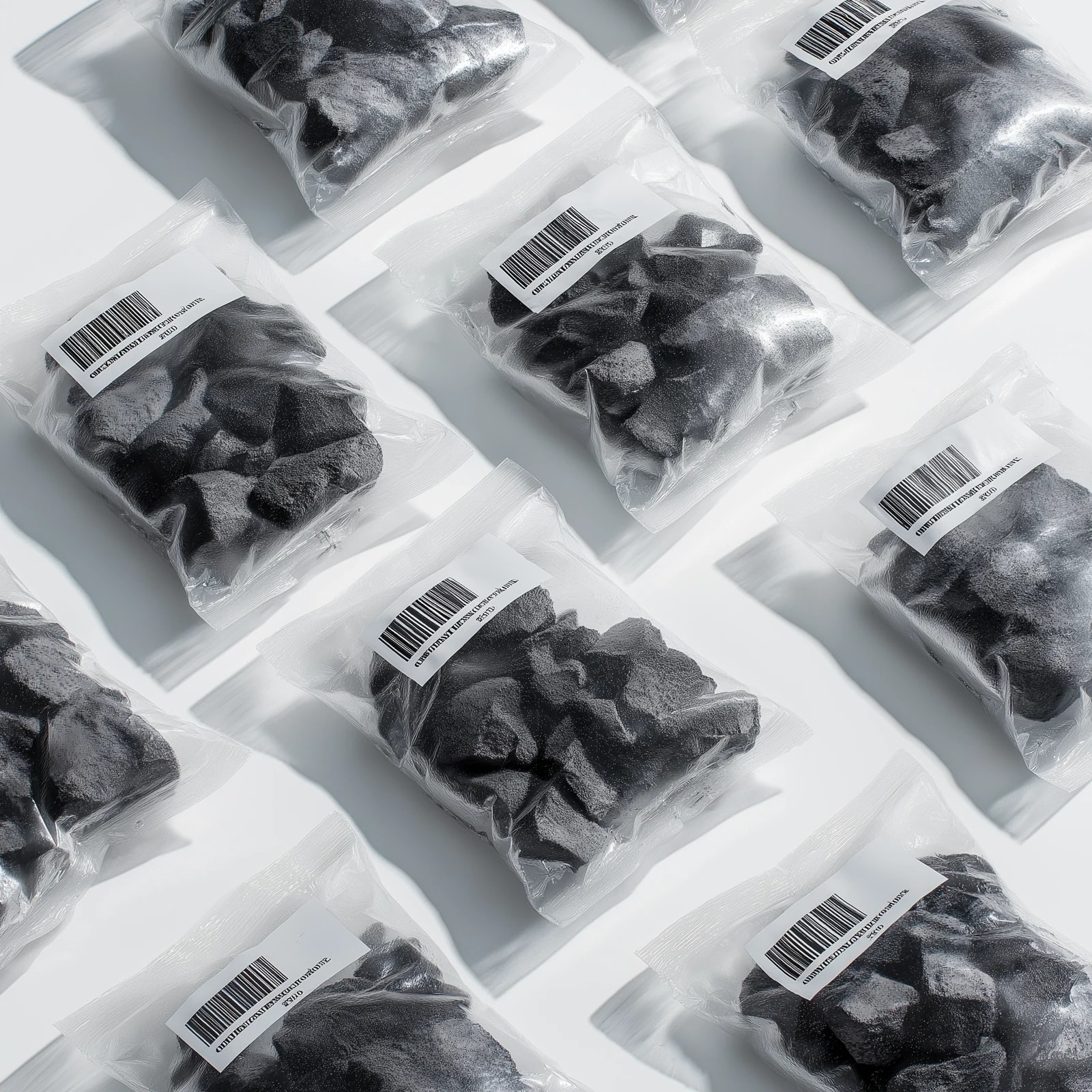
The single biggest determinant of what you get back is how the material was stored. Segregated, dry, labelled streams assay accurately and process cleanly. Mixed material — ITO sludge with general workshop swarf, or several materials in one drum — assays lower, costs more to process, and produces arguments about what was actually in the drum.
Three habits are worth establishing: dedicated labelled containers per stream at the point of generation, keeping sludges dry and covered rather than letting them absorb water and oxidise, and recording the source and approximate date. None of this is difficult, and together they typically make a visible difference to settlement value.
For facilities generating material continuously, a scheduled collection is simpler than accumulating for years. It smooths the cash flow, avoids storing significant value in a corner of the plant, and keeps streams from getting mixed as staff and storage arrangements change.
Frequently asked questions
How much indium is left in a spent ITO target?
Typically 60–70% of the original content. Planar targets erode in a racetrack pattern that consumes only 25–35% of the material before the target must be changed; rotary targets do better, but still leave 20–30% behind. Either way, most of what you bought is still there.
Is indium recycling actually economic?
Yes, and usually by a wide margin. Recoverable streams carry indium at percent-level concentrations against parts per million in zinc ore, so recovery is metallurgically easier than primary production. The value in a drum of spent targets is normally far above the cost of processing it.
What indium-bearing material do you accept?
Spent and broken ITO targets, bonded or unbonded, grinding and lapping sludge, chamber shields and masks, off-spec and expired powder, rejected green bodies and etching solutions. Send a description and approximate quantity and we will confirm what is worth processing and what is not.
How is the settlement value determined?
By assay on a homogenised, representative sample of your material, with the report supplied to you and a sample retained. An umpire sample is available if you want independent verification. Settlement is then metal content less the agreed refining charge, payable in metal, in cash, or as credit against new material.
How long does the process take?
Assay results typically within ten working days of receipt, settlement within fifteen. If you are buying replacement material at the same time, the assay can be run in parallel so the credit lands against the same order rather than following it weeks later.
Talk it through with an engineer
If this guide has not answered your question, describe your process and we will tell you what we would specify — including when the answer is that you do not need what you were about to buy.
Drawings, STEP files and photographs can be attached to the form. Prefer to talk it through? Leave a phone number and ask for a call.
What to include
- Your deposition process and tool
- Film requirement or the problem you are solving
- Volumes, if you know them
No drawing? Send photographs of the worn part — we can work from that.