
Materials
Custom Platinum Components & Fabricated Parts
Platinum labware and fabricated parts — crucibles, dishes, wire, gauze and electrodes — hand-formed and machined to drawing, with buy-back on everything you return.
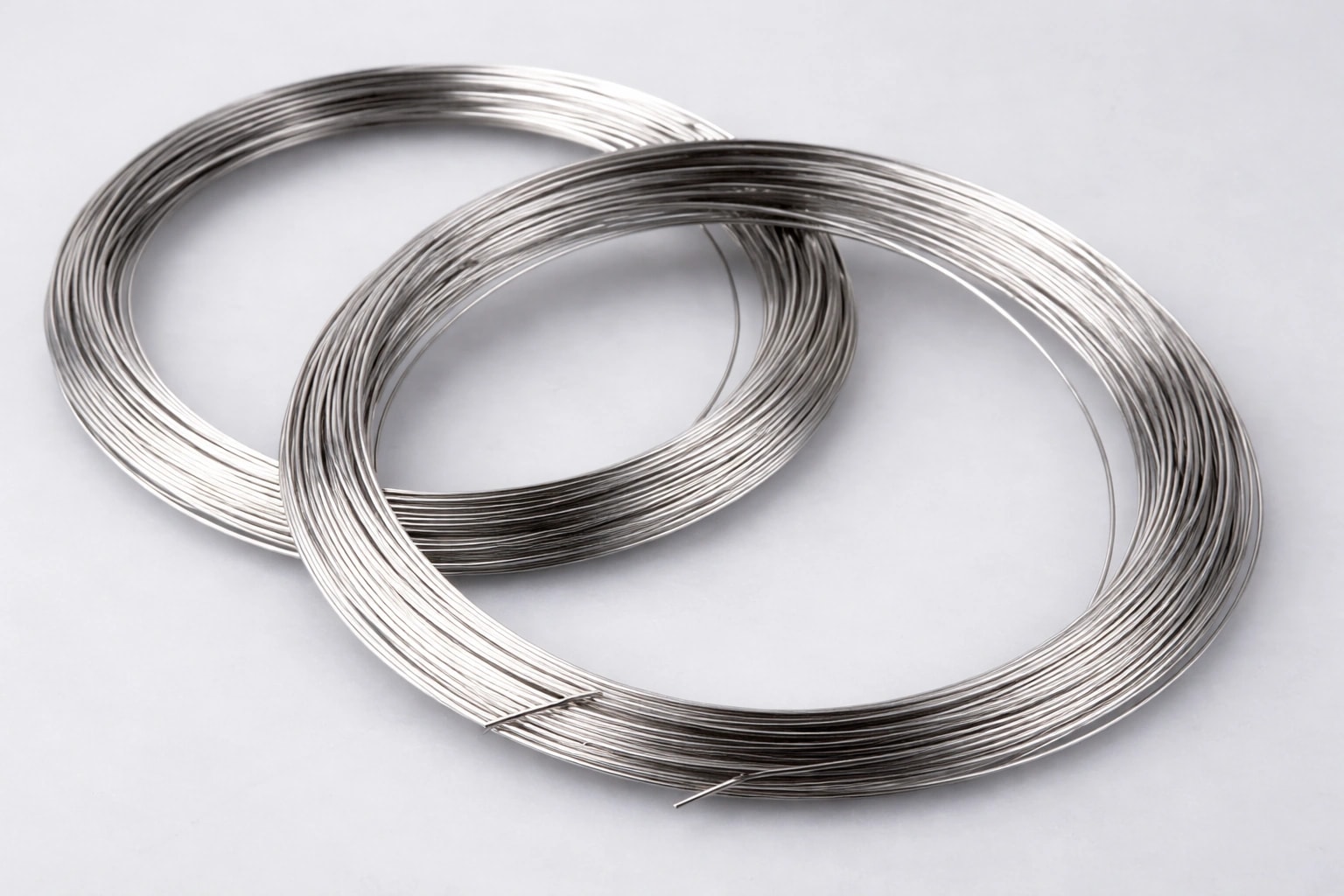
- Materials
- 99.95% Pt, Pt/Au 95:5, Pt/Rh 90:10 and 87:13, Pt/Ir
- Forms
- Crucibles, dishes, wire, gauze, mesh, foil, electrodes
- Wire diameter
- 0.025 – 3.0 mm
- Crucible capacity
- 5 – 100 ml standard, larger to order
Purity up to 99.999%
5N material with certificate of analysis
Quote within 24 h
Technical review by materials engineers
Shipped from Europe
Dispatched inside the EU, customs handled at our end
Custom dimensions
Built to your tool and bonding spec
Range
Platinum products: crucibles, labware and wire
Every item below is made to order — dimensions, purity and bonding are yours to specify.
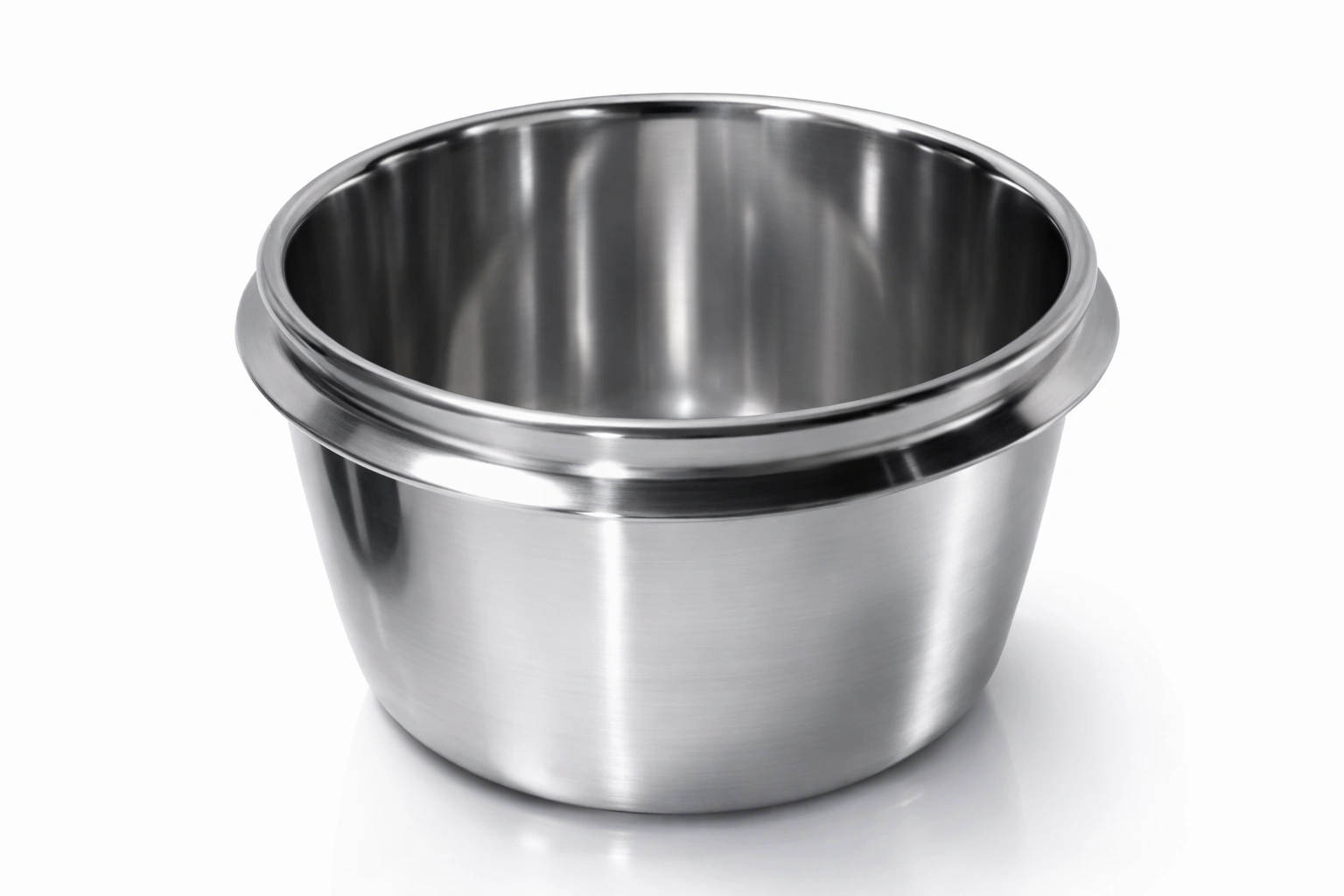
99.95% Pt · 4–6 weeks
Platinum Crucible
Hand-formed platinum crucibles, dishes and fusion ware for XRF sample preparation, ashing and high-temperature chemistry.
Specs and quote99.99% (4N) · 3–5 weeks
Platinum Wire
Drawn platinum and Pt/Rh wire for thermocouples, electrochemistry and catalysis, from 25 µm upwards.
Specs and quoteWhat matters when you specify platinum fabricated parts
Platinum is specified when nothing else survives the combination of temperature and chemistry: 1768 °C melting point, essentially inert to acids and molten salts, stable in oxidising atmospheres where every base metal fails. That is why it appears in analytical labware, glass manufacture, catalysis and high-temperature measurement, and why substituting something cheaper usually does not work.
The alloy choice does most of the engineering. Pure platinum is soft and formable. Pt/Rh 90:10 and 87:13 are stronger at temperature and give the standard Type S and Type R thermocouple pairs. Pt/Au 95:5 is non-wetting against molten borate flux, which is why it is the correct specification for XRF fusion crucibles. Pt/Ir is stiffer and harder-wearing for electrodes. Getting this right matters more than the fabrication.
Platinum components are a capital asset with a residual value close to the metal price, which changes how you should think about buying them. Worn, damaged, distorted and obsolete pieces are worth assay value regardless of condition — we buy them back and credit the metal directly against new components. In practice this often covers a substantial share of a replacement order.
We fabricate to drawing: platinum crucibles, dishes, fusion ware and other labware parts, plus platinum wire and gauze, mesh, foil, electrodes, thermocouples and formed parts. We also repair — dented, thinned and distorted labware can frequently be reformed and annealed for far less than replacement, provided the platinum has not been embrittled by contact with lead or bismuth.
How to choose
Which platinum alloy?
Pure Pt for general labware and forming. Pt/Au 95:5 for fusion crucibles, because the gold stops molten flux wetting the wall so beads release cleanly. Pt/Rh 90:10 or 87:13 for strength at temperature and for Type S and R thermocouples. Pt/Ir for stiffer, harder-wearing electrodes.
What wall thickness?
Thicker walls last longer and resist distortion but tie up more metal — and the metal is most of the cost. For routine fusion work 0.3–0.5 mm is usually the right economic balance; heavy-duty and larger vessels justify going up to 1.0 mm. We will advise based on your cycle count and handling.
Repair or replace?
Dented, thinned and distorted labware can often be reformed, annealed and repaired for considerably less than replacement. The exception is platinum embrittled by contact with lead, bismuth, tin or antimony — that damage is irreversible and the piece should be recovered. Send photographs and we will tell you which case you are in.
Buy-back against new orders
Returned platinum is credited at assay value against new components, whatever condition it is in. For laboratories holding drawers of retired ware, this frequently funds a large share of the replacement purchase — it is worth doing an audit before budgeting for new pieces.
Manufacturing capability
The envelope we work within. If your requirement sits outside it, ask anyway — most limits here are standard-product limits, not process limits.
| Materials | 99.95% Pt, Pt/Au 95:5, Pt/Rh 90:10 and 87:13, Pt/Ir |
|---|---|
| Forms | Crucibles, dishes, wire, gauze, mesh, foil, electrodes |
| Wire diameter | 0.025 – 3.0 mm |
| Crucible capacity | 5 – 100 ml standard, larger to order |
| Buy-back | Spent and damaged ware credited at assay value |
| Repair | Reforming and annealing of existing labware |
Platinum Components — frequently asked
Can you make platinum components to our own drawing?
Yes — custom fabrication is the core of what we do. Send a drawing, a sample, or a description of the application. Crucibles, dishes, fusion moulds, electrodes, formed wire and gauze are all made to specification, and we will advise on the alloy if the drawing does not state one, since that choice usually matters more than the geometry.
Which platinum labware do you make?
Crucibles from 5 to 100 ml (larger to order), lids, evaporating dishes, fusion moulds and casting dishes for XRF, plus electrodes, wire and gauze. Every piece is made in pure Pt, Pt/Au 95:5, Pt/Rh or Pt/Ir to suit the chemistry, and any existing labware you retire is credited at assay value against the new pieces.
Why is Pt/Au 95:5 used for fusion crucibles?
The 5% gold stops molten lithium borate flux wetting the crucible wall, so the cooled bead releases cleanly instead of sticking. Stuck beads are the main cause of both lost samples and crucible damage from prying them free. For XRF fusion work it is almost always the right specification.
Do you buy back old platinum components?
Yes, in any condition. Dented, holed, distorted, contaminated or simply obsolete — the platinum is still there and still worth assay value. We credit it directly against new components, which for most laboratories covers a meaningful share of a replacement order.
What destroys platinum labware?
Contact with easily reduced metals — lead, bismuth, tin, antimony, arsenic — which alloy with platinum and embrittle it permanently. Reducing atmospheres and direct contact with carbon or a reducing flame do the same. Mechanical damage from prying stuck beads is the third cause. The first is the one that ends a crucible's life for good.
How long does custom platinum fabrication take?
Typically 4–6 weeks for crucibles and formed labware, 3–5 weeks for wire and gauze. If you are returning metal for buy-back, we can run the assay in parallel so the credit lands against the same order rather than following it.
Request a quote for platinum components
Send your specification and a materials engineer will price it — not a sales form auto-reply. Quotes for platinum components are returned within 24 hours.
Drawings, STEP files and photographs can be attached to the form. Prefer to talk it through? Leave a phone number and ask for a call.
What to include
- Material, grade and purity you need
- Dimensions, tolerances or a drawing
- Quantity and the date you need it
No drawing? Send photographs of the worn part — we can work from that.
Also manufactured
Other materials we make in Europe
Same certificate of analysis, same quote turnaround, one supplier.
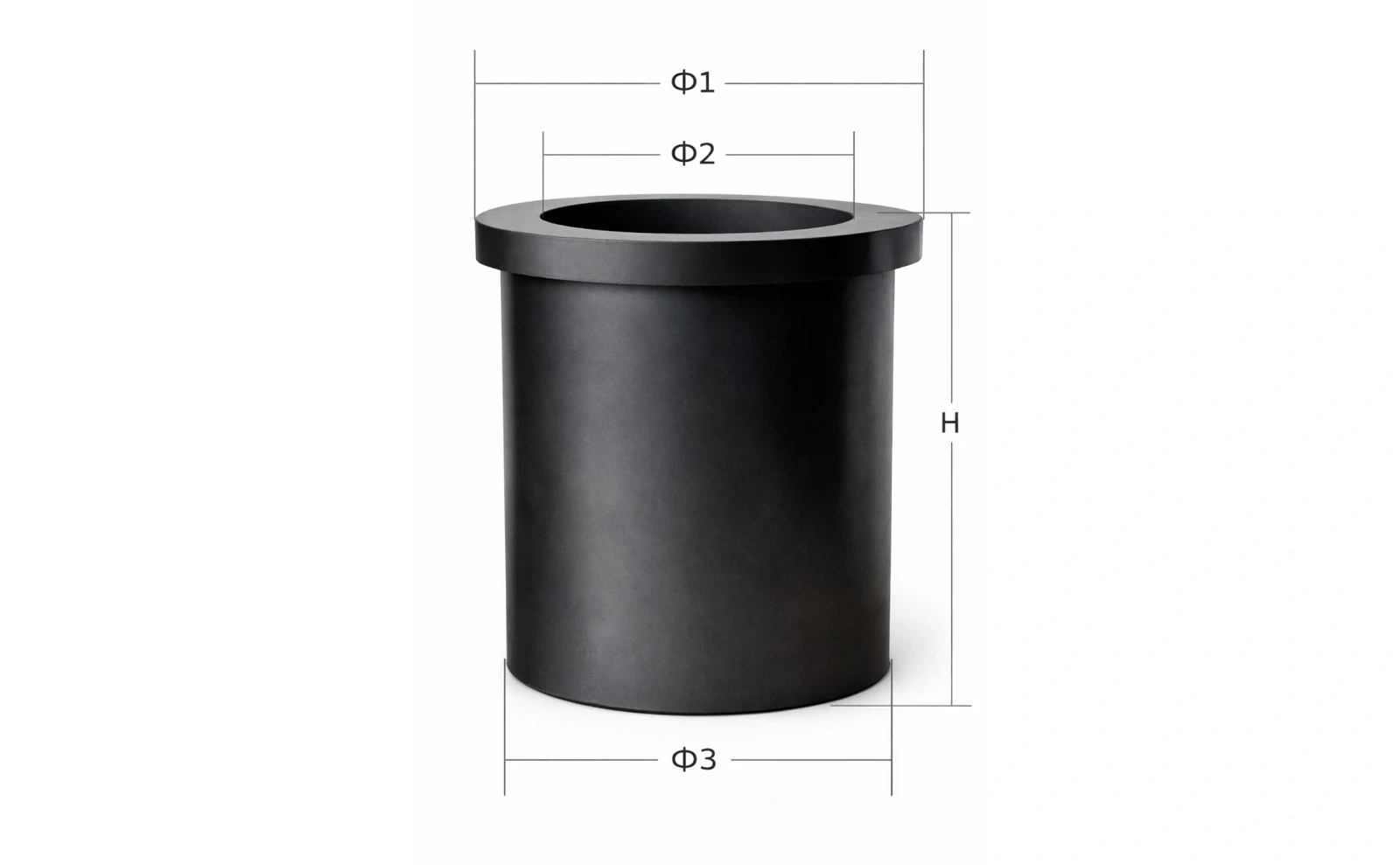
Isostatic graphite, fine and ultra-fine grain
Graphite Components
Isostatic graphite parts machined to drawing in Europe — crucibles, saggers, susceptors, fixtures and porous components, down to 5 ppm ash.
Specifications & quote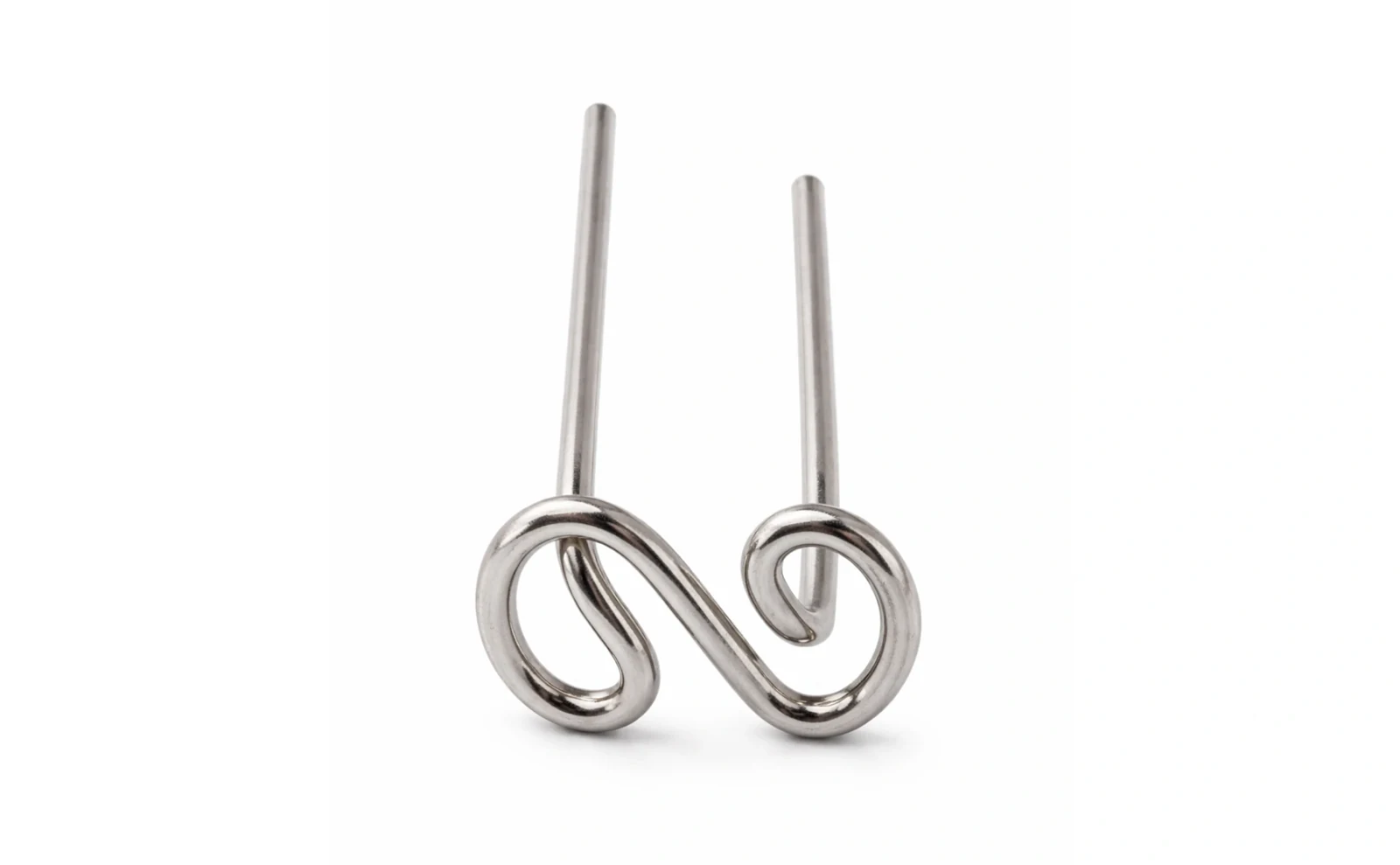
99.95% W minimum, doped (AKS) available
Tungsten Components
Tungsten boats, crucibles, filaments, pins and electrodes at 99.95% purity — formed, wound and machined to your drawing in Europe.
Specifications & quote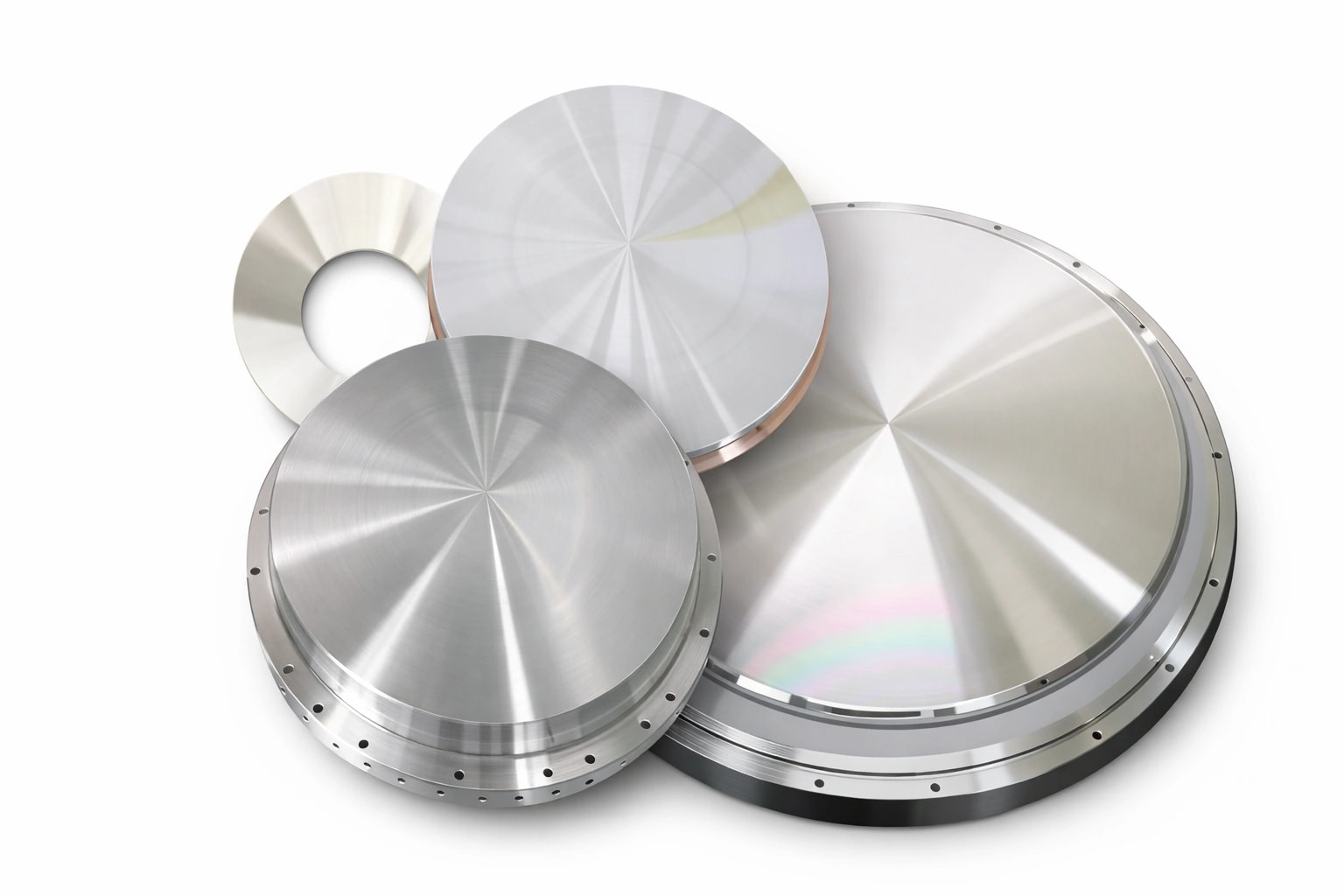
99.99% – 99.999% (4N – 5N)
Sputtering Targets
High-purity planar, rotary and custom sputtering targets, qualified against our European standards and shipped from inside the EU with a certificate of analysis on every plate.
Specifications & quoteTechnical guides
Read before you specify
Written by the engineers who quote these parts, not by a content agency.
7 min read
Type R vs Type S Thermocouple: Differences and Wire Spec
Type R vs Type S platinum thermocouples: Pt/Rh 87:13 vs 90:10, EMF output, tolerance, why they are not interchangeable, drift and how to specify wire.
Read the guide
8 min read
Thin Film Deposition Methods: Sputtering vs Evaporation
Sputtering, thermal evaporation, e-beam and CVD compared — coverage, adhesion, rate and cost, with guidance on which method suits which film and substrate.
Read the guideAlso searched as: platinum fabricated parts, custom platinum components, customised platinum components, platinum labware parts, platinum products.