
Platinum Components
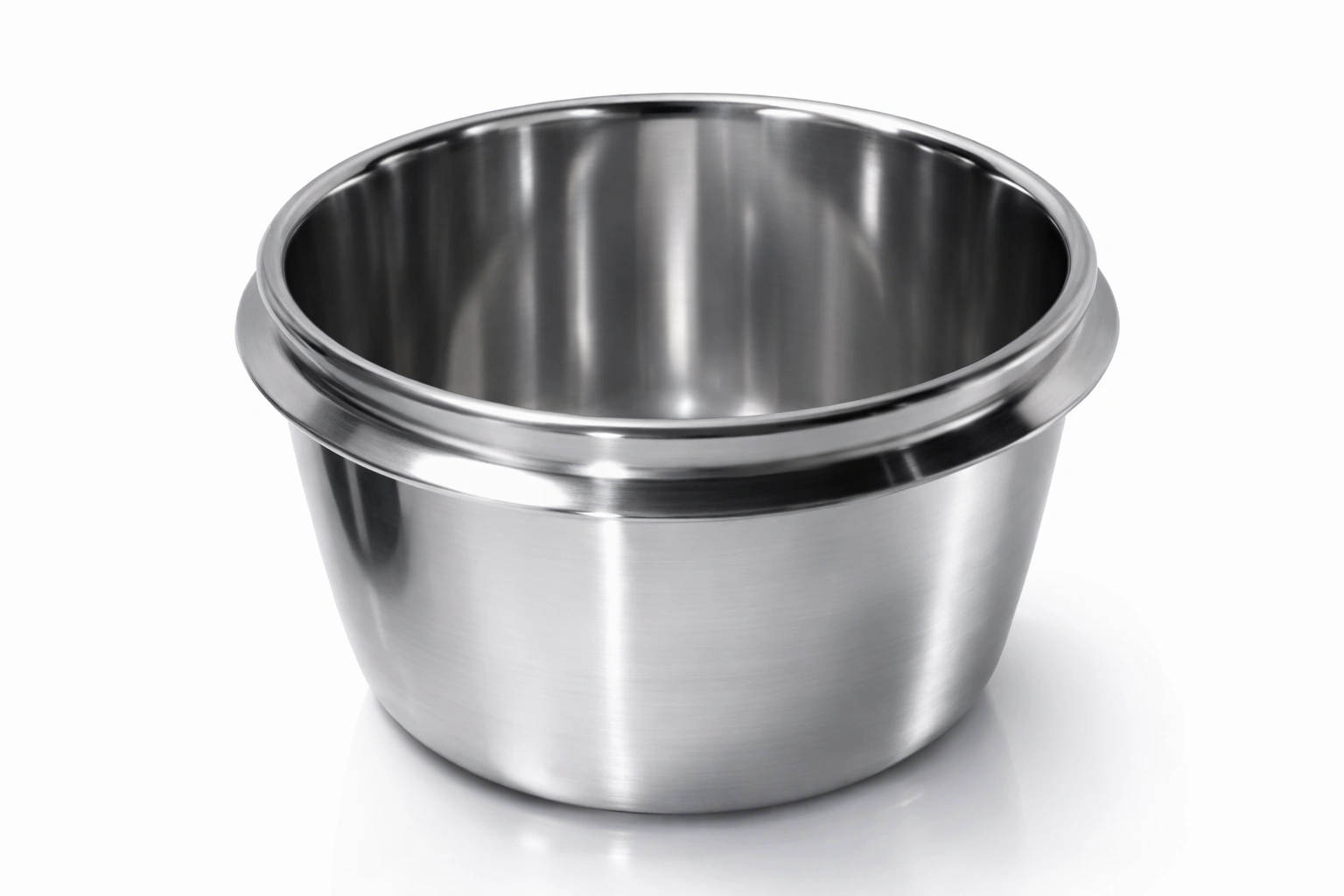
Platinum Crucibles & Labware for Analytical Chemistry
Hand-formed platinum crucibles, dishes and fusion ware for XRF sample preparation, ashing and high-temperature chemistry.
- Purity
- 99.95% Pt
- Lead time
- 4–6 weeks
- Qualified in
- Europe
- Documentation
- Certificate of analysis per batch
Purity up to 99.999%
5N material with certificate of analysis
Quote within 24 h
Technical review by materials engineers
Shipped from Europe
Dispatched inside the EU, customs handled at our end
Custom dimensions
Built to your tool and bonding spec
About platinum crucible
Platinum labware is the standard for XRF sample fusion because platinum is chemically inert to lithium borate fluxes at 1000–1200 °C, does not contaminate the sample, and releases the cooled bead cleanly. No other material combines all three.
The important alloy choice is Pt/Au 95:5. The 5% gold reduces the wetting of the molten flux against the crucible wall, so fusion beads release without sticking — which prevents both bead loss and the crucible damage that comes from prying a stuck bead free. For routine fusion work it is usually the correct specification, not pure platinum.
Platinum labware is a capital asset rather than a consumable. It is fully recoverable: we buy back worn, damaged and obsolete platinum ware at assay value and can credit it directly against replacement pieces, which often covers a substantial share of the new order.
Platinum Crucible specifications
Standard specification below. Anything on this table can be changed — send us your drawing or tool model and we will quote to it.
| Material | 99.95% Pt, Pt/Au 95:5, Pt/Rh 90:10 |
|---|---|
| Capacity | 5–100 ml standard, larger to order |
| Wall thickness | 0.3–1.0 mm |
| Forms | Crucibles, dishes, lids, fusion moulds, tongs |
| Melting point | 1768 °C (pure Pt) |
| Buy-back | Spent ware credited at assay value |
Platinum material datasheet
Published constants for platinum — the numbers you need to set up a run before the material arrives. Print this page for the process folder, or send it to us with your parameters and we will tell you whether the grade we stock suits them.
Chemical identity
| Material | Platinum |
|---|---|
| Symbol | Pt |
| CAS number | 7440-06-4 |
| Atomic number | 78 |
| Atomic weight | 195.084 |
| Appearance | Metallic grey |
Physical and thermal properties
| Theoretical density | 21.45 g/cm³ |
|---|---|
| Melting point | 1,772 °C |
| Thermal conductivity | 72 W/m·K |
| Coefficient of thermal expansion | 8.8 × 10⁻⁶/K |
| Z ratio (QCM) | 0.245 |
Platinum is a precious metal. Spent crucibles, wire and residues have real recoverable value — we buy back platinum-bearing scrap and credit it against the next order.
Values above are published material constants for process planning and can vary with grade, microstructure and measurement method. They are not a supply specification — what we guarantee on your order is the specification table above and the certificate of analysis shipped with it.
Source: Kurt J. Lesker Company, deposition materials data. CAS numbers from the public chemical registry entry for each element.
Platinum crucible sizes and wall thickness
Standard platinum crucibles run from 5 to 100 ml, with larger vessels made to order. Capacity is only half of the specification: wall thickness decides how many heating cycles and how much handling the crucible survives, and the wall is where most of the platinum — and so most of the cost — sits.
The table is a starting point rather than a catalogue. Fusion machines each take their own crucible geometry, so send the machine model or a drawing and we will match it instead of selling you a standard shape that does not seat properly.
| Capacity | Typical use | Usual alloy | Wall |
|---|---|---|---|
| 5–15 ml | Micro-ashing, ignition of small samples, gravimetric work | 99.95% Pt | 0.3–0.5 mm |
| 20–40 ml | XRF fusion with lithium borate flux, routine ashing | Pt/Au 95:5 for fusion, Pt for ashing | 0.3–0.5 mm |
| 50–100 ml | Larger fusions, acid digestion and evaporation, small glass melts | 99.95% Pt or Pt/Rh 90:10 | 0.5–1.0 mm |
| Over 100 ml | Glass and ceramic research, process vessels | Pt/Rh 90:10 | To drawing |
Thicker walls resist distortion and last more cycles but tie up more metal. For routine fusion work 0.3–0.5 mm is usually the right economic balance; heavy-duty and larger vessels justify going up to 1.0 mm. Lids, fusion moulds and dishes are made in the same alloy as the crucible they go with.
Platinum crucible alloys: pure Pt, Pt/Au 95:5 or Pt/Rh 90:10
The alloy matters more than the shape. All three are made in the same capacities; what changes is how the crucible behaves against molten flux and how well it keeps its shape at temperature.
| Alloy | What it does | Specify it for |
|---|---|---|
| 99.95% Pt | The most inert and most formable option. Soft, so it dents and distorts with rough handling. | Ashing, ignition, acid digestion and evaporation — work where nothing has to release from the wall. |
| Pt/Au 95:5 | The 5% gold stops molten borate flux wetting the wall, so the cooled bead releases cleanly. | XRF fusion crucibles and casting moulds. Almost always the right choice for lithium borate fusion. |
| Pt/Rh 90:10 | Rhodium stiffens the alloy, so it holds its shape better at temperature and over repeated cycles. | Larger vessels, heavy handling and glass or ceramic melts where extra strength at temperature is needed. |
The same alloys go into our platinum wire and gauze. And a crucible you retire is still worth its metal: we buy back spent platinum labware at assay value and credit it against the new pieces.
Applications
XRF fusion sample preparation
Lithium borate fusion of geological, cement and metallurgical samples into homogeneous glass beads.
Ashing and ignition
High-temperature ashing of organic samples in analytical and food laboratories.
ICP and AAS sample digestion
Acid digestion and evaporation where glass or PTFE would contaminate or fail.
Glass and ceramic research
Small-scale melting of glasses and ceramics at temperatures above ceramic crucible limits.
What we can change for you
- Pt/Au 95:5 for non-wetting fusion ware, Pt/Rh 90:10 where extra strength at temperature is needed.
- Capacities from 5 to 100 ml as standard, larger vessels to order.
- Matching lids, fusion moulds, dishes and handling tongs.
- Refurbishment of existing crucibles — reforming, annealing and repair, often cheaper than replacement.
Technical notes
Chemically inert to lithium borate flux at fusion temperature, so no sample contamination.
Pt/Au 95:5 gives reliable bead release, protecting both sample and crucible.
Fully recoverable — spent and damaged ware is bought back at assay value.
Platinum Crucible — questions we get asked
Should I specify pure platinum or Pt/Au 95:5 for fusion crucibles?
For lithium borate fusion, Pt/Au 95:5 almost always. The 5% gold reduces flux wetting so the cooled bead releases cleanly instead of sticking. Stuck beads are the main cause of both lost samples and crucible damage from prying. Pure platinum is fine for ashing and general high-temperature work where nothing needs to release.
What destroys platinum crucibles?
Three things, in order. Contact with easily reduced metals — lead, bismuth, tin, antimony, arsenic — which alloy with platinum and embrittle it irreversibly. Reducing atmospheres and direct contact with carbon or a reducing flame. And mechanical damage from prying stuck beads or careless handling. Carbon and low-melting metals are the ones that end a crucible's life.
Do you buy back old platinum labware?
Yes. Platinum is fully recoverable, and worn, damaged or obsolete ware retains essentially its full metal value. We assay returned items and credit them against new orders — in practice this often covers a large share of a replacement purchase. Damaged and misshapen pieces are equally acceptable.
Can damaged platinum crucibles be repaired?
Often, yes. Dented, distorted and thinned crucibles can frequently be reformed, annealed and repaired for considerably less than replacement — provided the platinum has not been embrittled by contact with lead, bismuth or similar metals. Send us photographs and we will tell you whether it is worth repairing or better to recover and replace.
Request a quote for platinum crucible
Send your specification and a materials engineer will price it — not a sales form auto-reply. Quotes for platinum crucible are returned within 24 hours.
Drawings, STEP files and photographs can be attached to the form. Prefer to talk it through? Leave a phone number and ask for a call.
What to include
- Purity grade — 99.95% Pt is standard
- Dimensions, tolerances or a drawing
- Quantity and required delivery date
No drawing? Send photographs of the worn part — we can work from that.
Related materials
Often specified alongside this product by the same customers.
99.99% (4N) · 3–5 weeks
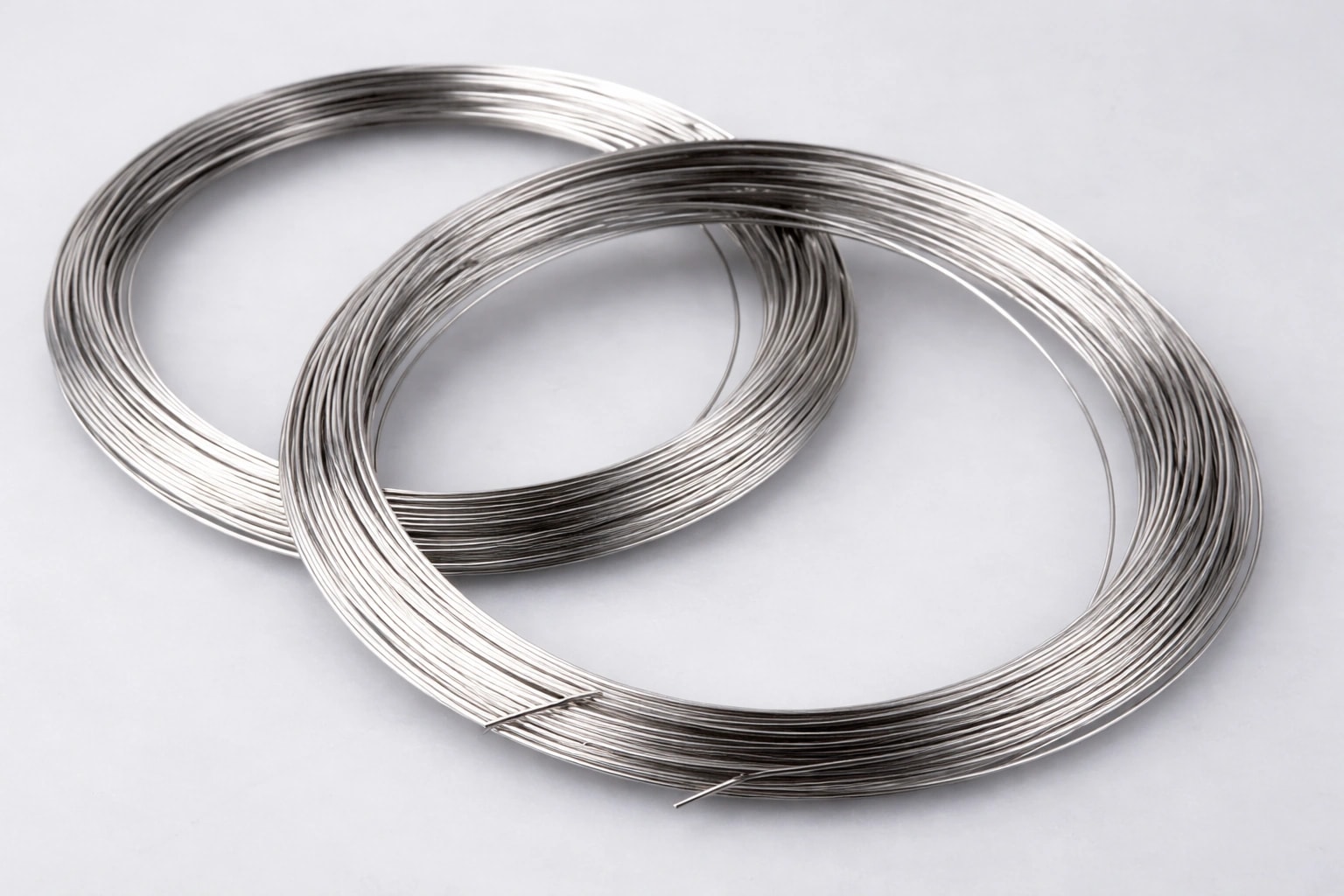
Platinum Wire
Drawn platinum and Pt/Rh wire for thermocouples, electrochemistry and catalysis, from 25 µm upwards.
View details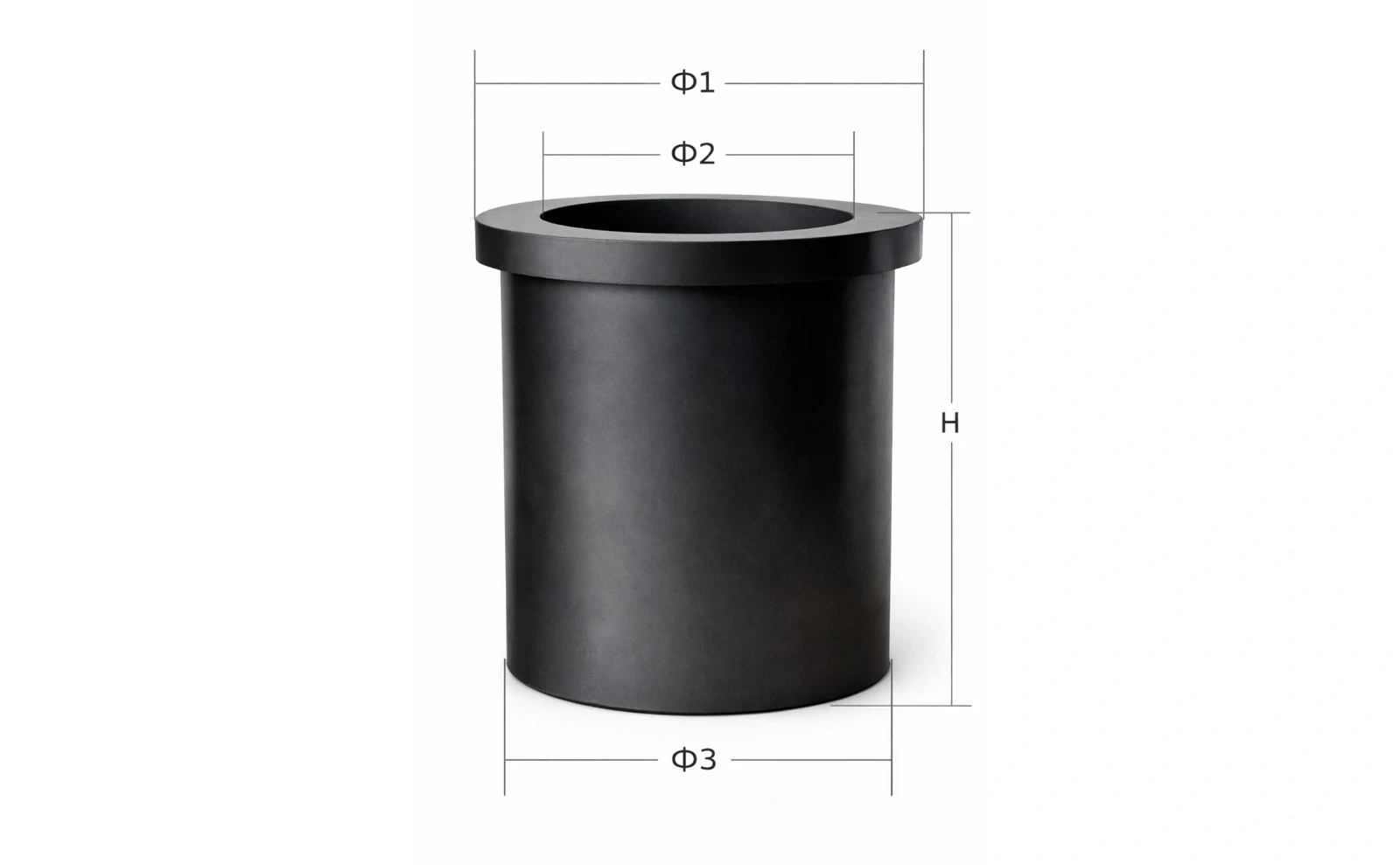
≤ 20 ppm ash (high purity ≤ 5 ppm) · 3–5 weeks
Graphite Crucible
Fine-grain isostatic graphite crucibles, including porous grades, machined to your drawing in Europe.
View details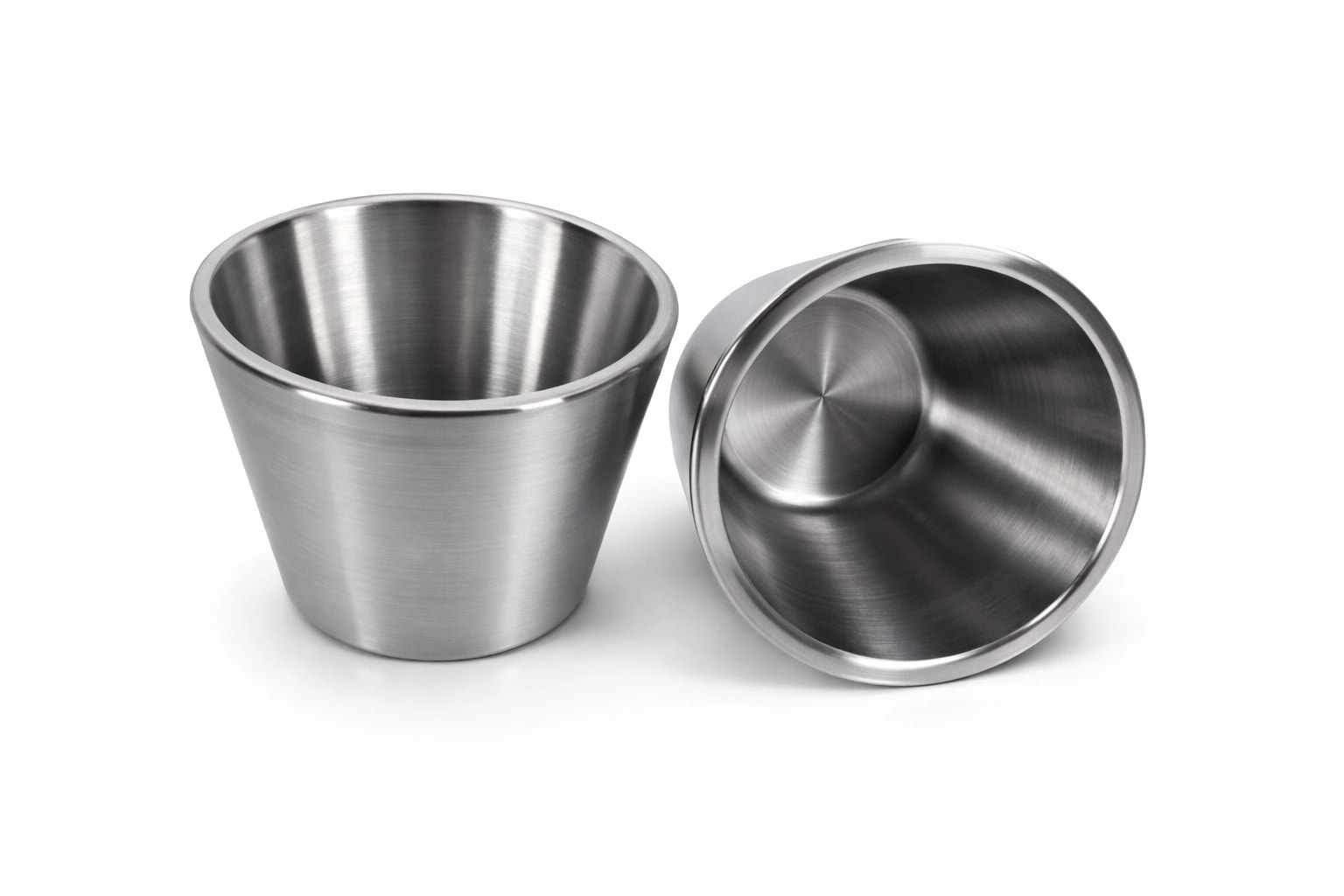
99.95% · 4–8 weeks
Tungsten Crucible
Machined and sintered tungsten crucibles for the temperatures where graphite and molybdenum no longer work.
View detailsAlso searched as: platinum labware, Pt crucible, XRF fusion crucible, platinum fusion ware, Pt/Au crucible.