
Graphite Components
Graphite Crucibles for Melting & Crystal Growth
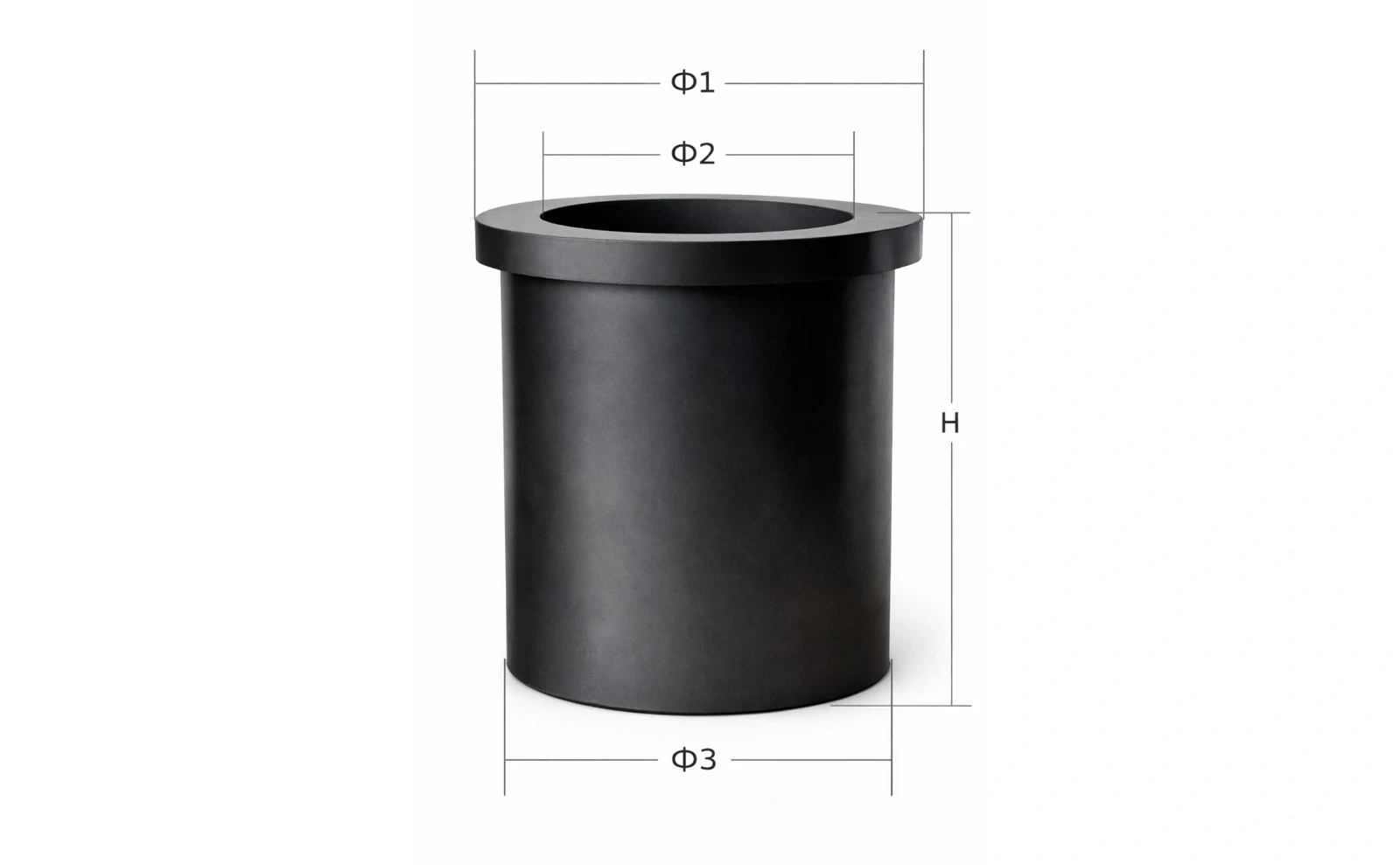
Fine-grain isostatic graphite crucibles, including porous grades, machined to your drawing in Europe.
- Purity
- ≤ 20 ppm ash (high purity ≤ 5 ppm)
- Lead time
- 3–5 weeks
- Qualified in
- Europe
- Documentation
- Certificate of analysis per batch
Purity up to 99.999%
5N material with certificate of analysis
Quote within 24 h
Technical review by materials engineers
Shipped from Europe
Dispatched inside the EU, customs handled at our end
Custom dimensions
Built to your tool and bonding spec
About graphite crucible
Graphite is the default crucible material for melting metals below about 2000 °C. It tolerates severe thermal shock, conducts heat exceptionally well, machines easily to complex shapes and costs a fraction of tungsten or platinum.
Grain size determines what you can actually machine and how the surface behaves. Fine-grain isostatic graphite at ≤ 10 µm holds tight tolerances and gives a smooth surface that releases the solidified melt cleanly; ultra-fine grades at ≤ 4 µm go further where surface finish or thin walls matter.
Porous graphite is a distinct product for a distinct job. With 15–30% open porosity it is used for gas diffusion and degassing in molten metal, as a filter medium, and in vacuum chucks — anywhere gas needs to pass through the body of the part rather than around it.
Graphite Crucible specifications
Standard specification below. Anything on this table can be changed — send us your drawing or tool model and we will quote to it.
| Material | Isostatic graphite, fine and ultra-fine grain |
|---|---|
| Ash content | ≤ 20 ppm standard, ≤ 5 ppm purified |
| Density | 1.75–1.90 g/cm³ |
| Grain size | ≤ 10 µm (ultra-fine ≤ 4 µm) |
| Porous grades | Open porosity 15–30% for filtration and degassing |
| Service temperature | Up to 3000 °C in inert atmosphere |
Carbon (graphite) material datasheet
Published constants for carbon (graphite) — the numbers you need to set up a run before the material arrives. Print this page for the process folder, or send it to us with your parameters and we will tell you whether the grade we stock suits them.
Chemical identity
| Material | Carbon (graphite) |
|---|---|
| Symbol | C |
| CAS number | 7440-44-0 |
| Atomic number | 6 |
| Atomic weight | 12.0107 |
| Appearance | Black, non-metallic |
Physical and thermal properties
| Theoretical density | 2.25 g/cm³ |
|---|---|
| Melting point | approx. 3,652 °C (sublimes) |
| Thermal conductivity | 140 W/m·K |
| Coefficient of thermal expansion | 7.1 × 10⁻⁶/K |
| Z ratio (QCM) | 3.26 |
Hot-pressed graphite is porous with randomly oriented grains, which is what keeps its sputter yield low and its outgassing slow. Pyrolytic graphite, grown by CVD, approaches theoretical density and is essentially non-porous, so it pumps down faster and conducts heat better.
Values above are published material constants for process planning and can vary with grade, microstructure and measurement method. They are not a supply specification — what we guarantee on your order is the specification table above and the certificate of analysis shipped with it.
Source: Kurt J. Lesker Company, deposition materials data. CAS numbers from the public chemical registry entry for each element.
Applications
Metal melting and casting
Melting of precious metals, aluminium, copper and their alloys in induction and resistance furnaces.
Crystal growth
Czochralski and Bridgman crucibles and susceptors for semiconductor and optical crystal growth.
E-beam evaporation liners
Graphite liners isolating reactive evaporants from the water-cooled copper hearth.
Degassing and filtration
Porous graphite diffusers for gas injection into molten metal, and filter elements.
What we can change for you
- Machined to your drawing — any internal profile, lip, flange or stepped geometry.
- Purified grades to ≤ 5 ppm ash for semiconductor and precious metal work.
- Porous grades with 15–30% open porosity for degassing, filtration and vacuum chucks.
- SiC and pyrolytic carbon coatings for oxidation resistance and reduced carbon pick-up.
Technical notes
Excellent thermal shock resistance — graphite tolerates rapid heating and quenching that cracks ceramics.
High thermal conductivity gives an even melt temperature and faster cycle times.
Low ash content protects melt purity in precious metal and semiconductor applications.
Graphite Crucible — questions we get asked
What is porous graphite used for?
Anywhere gas must pass through the part rather than around it. The main uses are degassing diffusers that inject argon or nitrogen into molten aluminium, filter elements, and vacuum chucks that hold thin substrates evenly across their whole surface. Open porosity of 15–30% is the usual specification range.
Will a graphite crucible contaminate my melt with carbon?
It can, depending on the metal. Carbon dissolves readily in molten iron, nickel, cobalt, titanium and the refractory metals, so graphite is a poor choice there. For aluminium, copper, precious metals and zinc, carbon solubility is negligible and graphite is the standard crucible. A SiC or pyrolytic carbon coating reduces pick-up where it is a marginal concern.
How do I choose the graphite grain size?
Fine grain at ≤ 10 µm covers most melting and casting work: good machinability, tight tolerances, smooth surface. Ultra-fine at ≤ 4 µm is worth the premium for thin walls, intricate geometries and where a very smooth surface improves melt release or reduces gas retention.
Can graphite crucibles be used in air?
Only below about 500 °C, above which graphite oxidises and is progressively consumed. High-temperature use requires vacuum or an inert atmosphere. SiC coatings allow limited air exposure at higher temperatures, but they are a mitigation rather than a solution — plan for an inert atmosphere if you are running hot.
Request a quote for graphite crucible
Send your specification and a materials engineer will price it — not a sales form auto-reply. Quotes for graphite crucible are returned within 24 hours.
Drawings, STEP files and photographs can be attached to the form. Prefer to talk it through? Leave a phone number and ask for a call.
What to include
- Purity grade — ≤ 20 ppm ash (high purity ≤ 5 ppm) is standard
- Dimensions, tolerances or a drawing
- Quantity and required delivery date
No drawing? Send photographs of the worn part — we can work from that.
Related materials
Often specified alongside this product by the same customers.
≤ 20 ppm ash (high purity ≤ 5 ppm) · 4–6 weeks
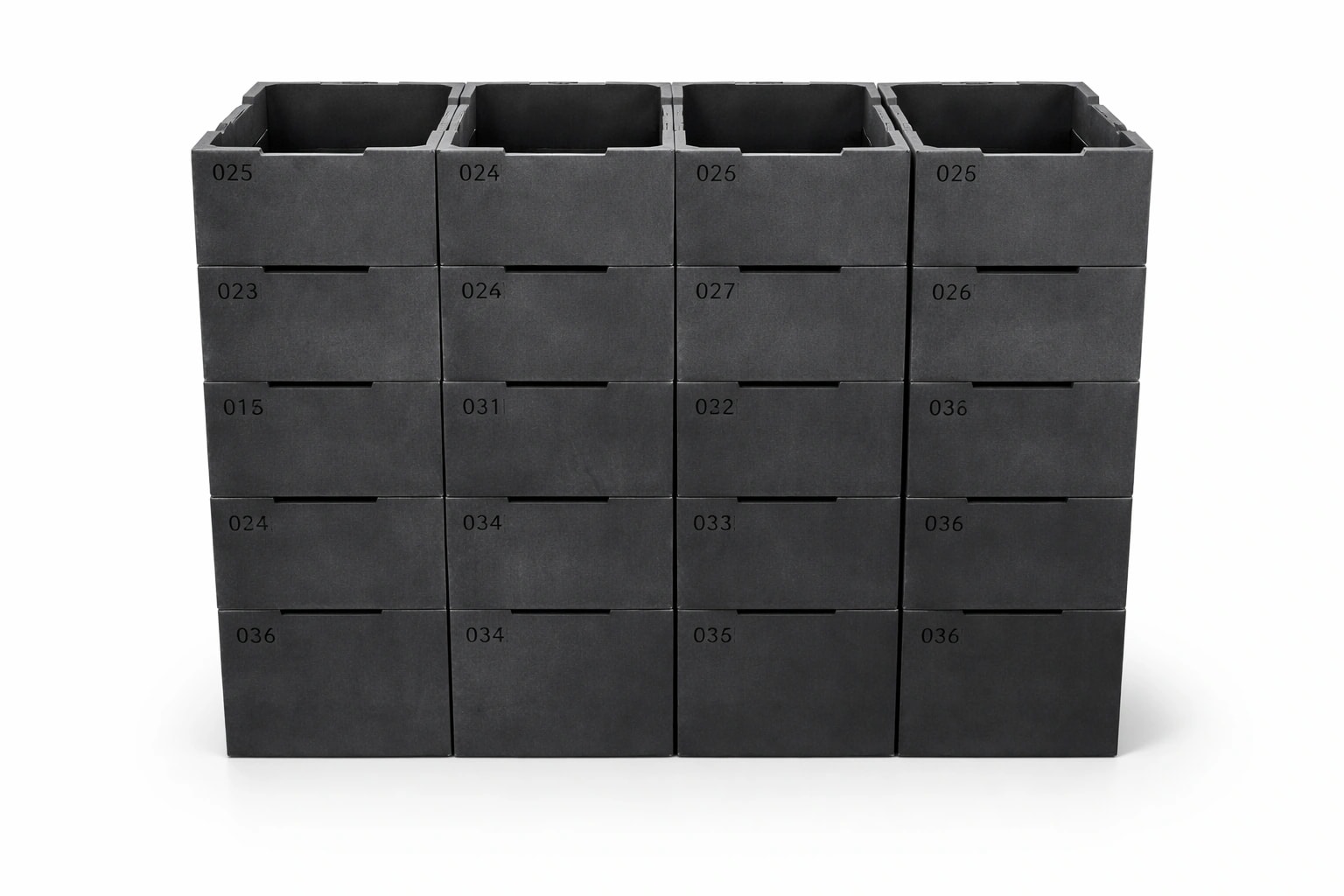
Graphite Sagger Box
Isostatic graphite saggers and trays for cathode material calcination — longer cycle life than ceramic, with no alkali contamination.
View details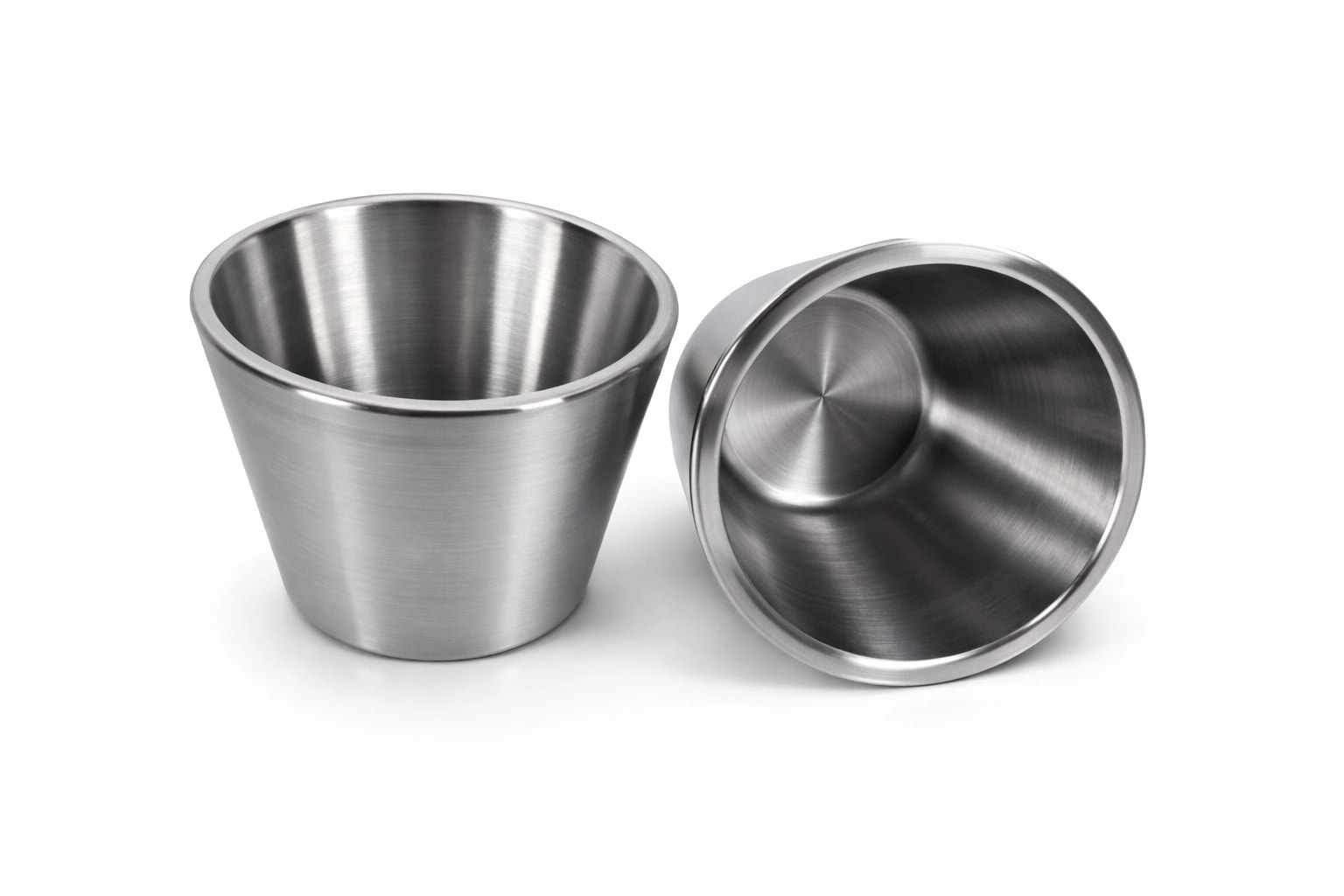
99.95% · 4–8 weeks
Tungsten Crucible
Machined and sintered tungsten crucibles for the temperatures where graphite and molybdenum no longer work.
View details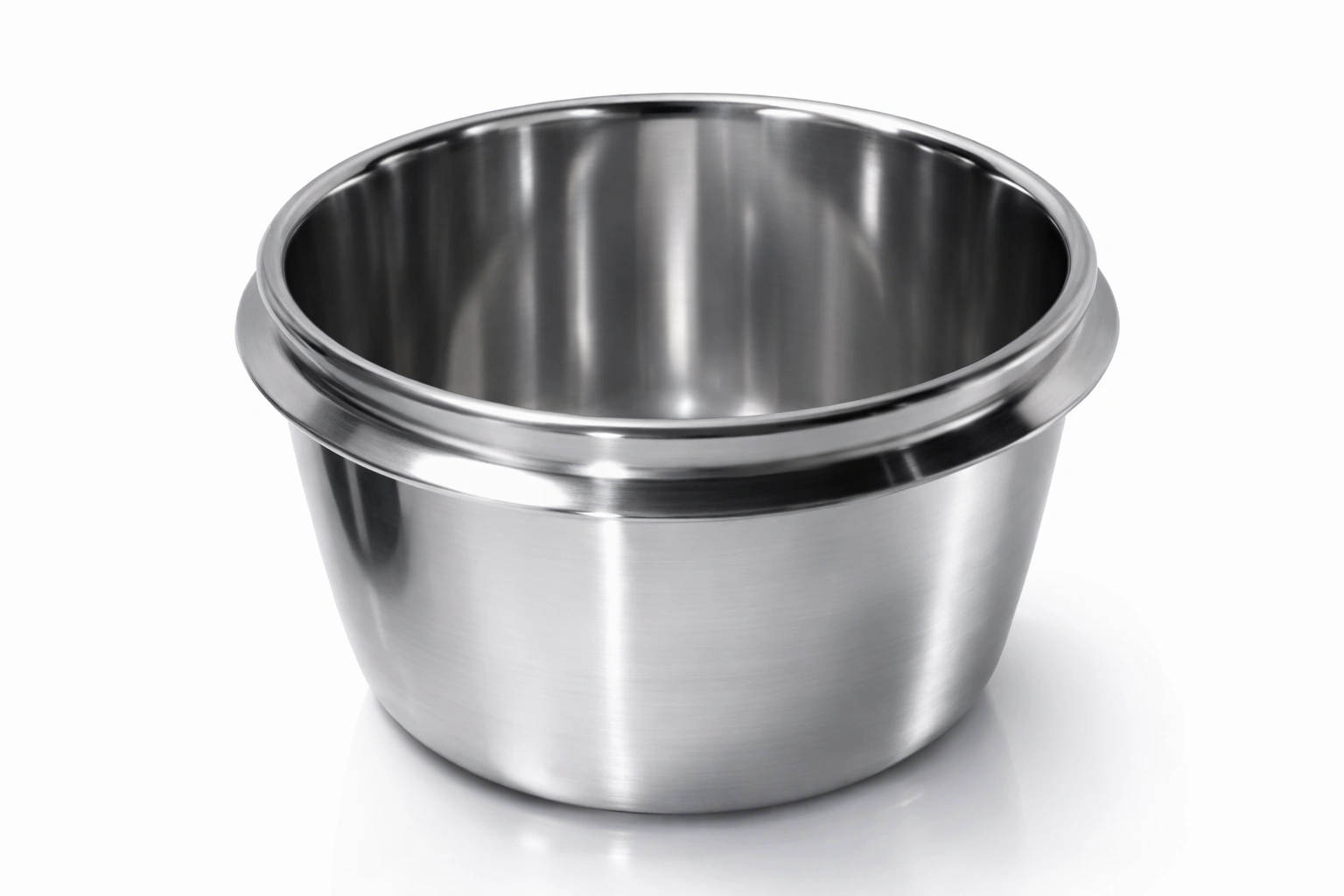
99.95% Pt · 4–6 weeks
Platinum Crucible
Hand-formed platinum crucibles, dishes and fusion ware for XRF sample preparation, ashing and high-temperature chemistry.
View detailsAlso searched as: graphite melting crucible, isostatic graphite crucible, porous graphite crucible, carbon crucible.