
Materials
ITO Sputtering Targets for Transparent Conductive Films
Indium tin oxide targets in planar, rotary and disc formats — high density, low nodule formation, made to your tool dimensions in Europe.
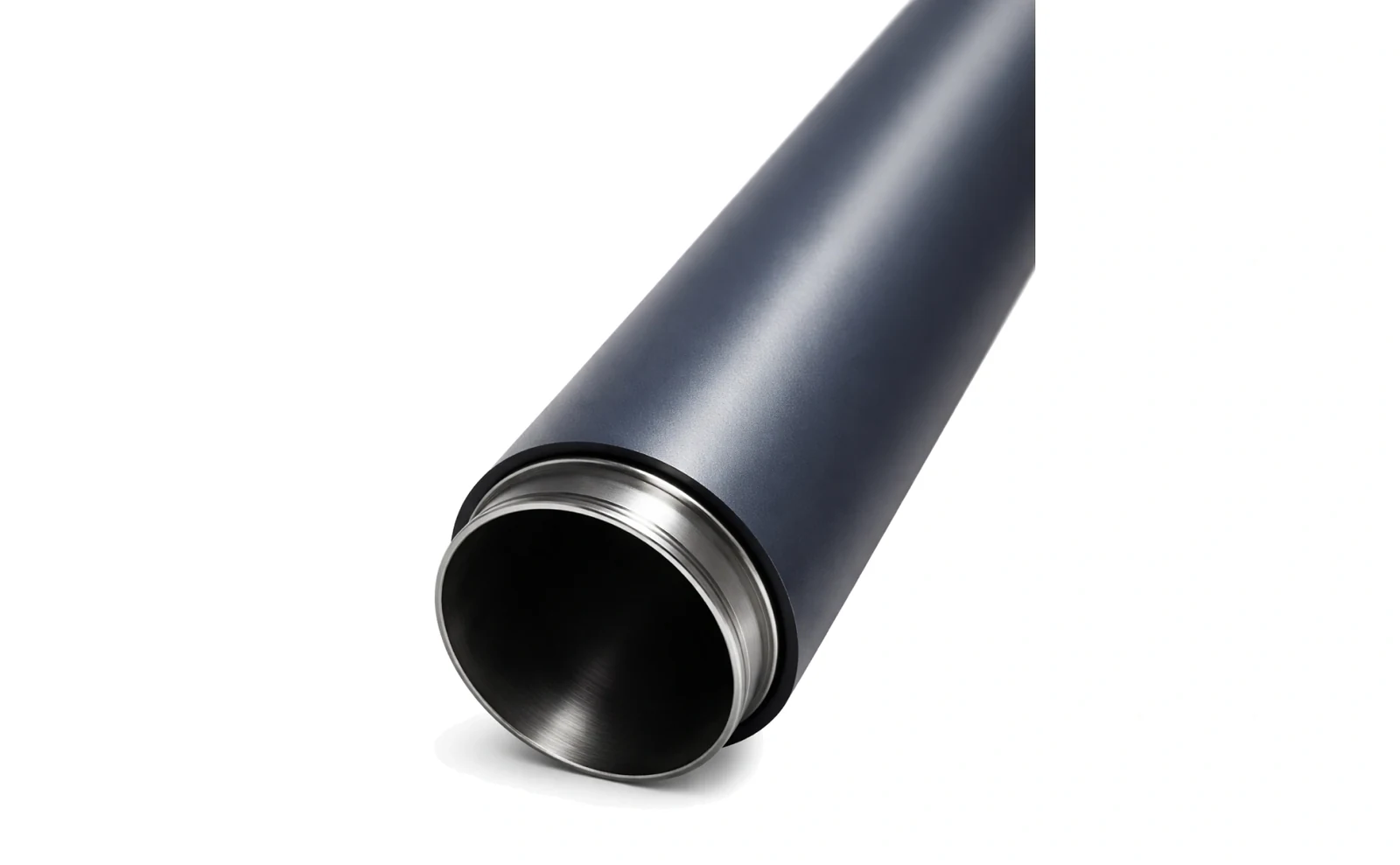
- Composition
- In₂O₃/SnO₂ 90:10 standard, 95:5 on request
- Purity
- ≥ 99.99% (4N)
- Density
- ≥ 99% of theoretical
- Formats
- Planar, rotary, disc, segmented tiles
Purity up to 99.999%
5N material with certificate of analysis
Quote within 24 h
Technical review by materials engineers
Shipped from Europe
Dispatched inside the EU, customs handled at our end
Custom dimensions
Built to your tool and bonding spec
Range
ITO Targets we supply
Every item below is made to order — dimensions, purity and bonding are yours to specify.
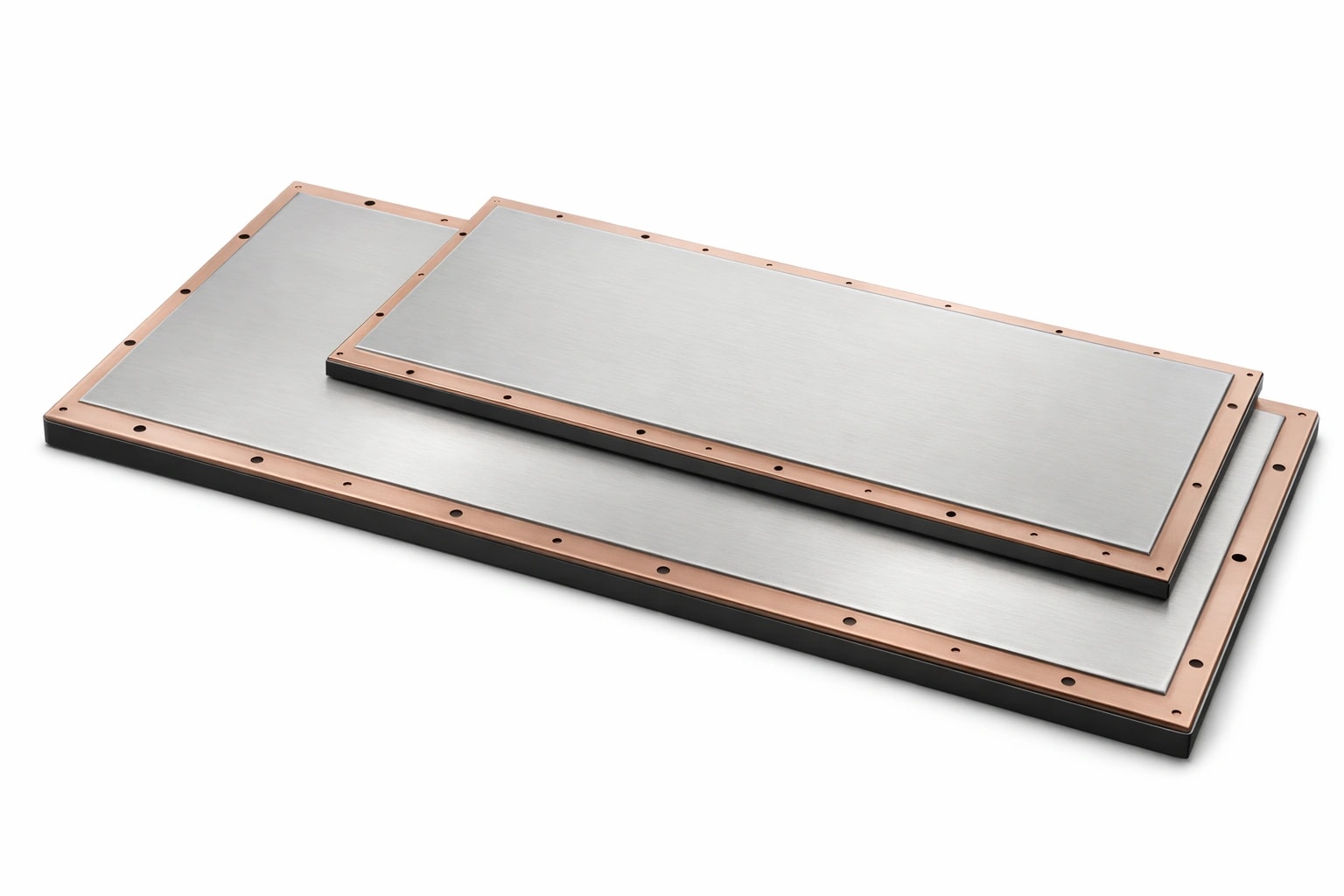
99.99% (4N) · 5–7 weeks
ITO Planar Target
High-density planar ITO targets for transparent conductive oxide coatings on displays, touch panels and solar cells.
Specs and quote99.99% (4N) · 6–9 weeks
ITO Rotary Target
Rotatable ITO targets for large-area inline coaters — roughly three times the material utilisation of a planar target.
Specs and quote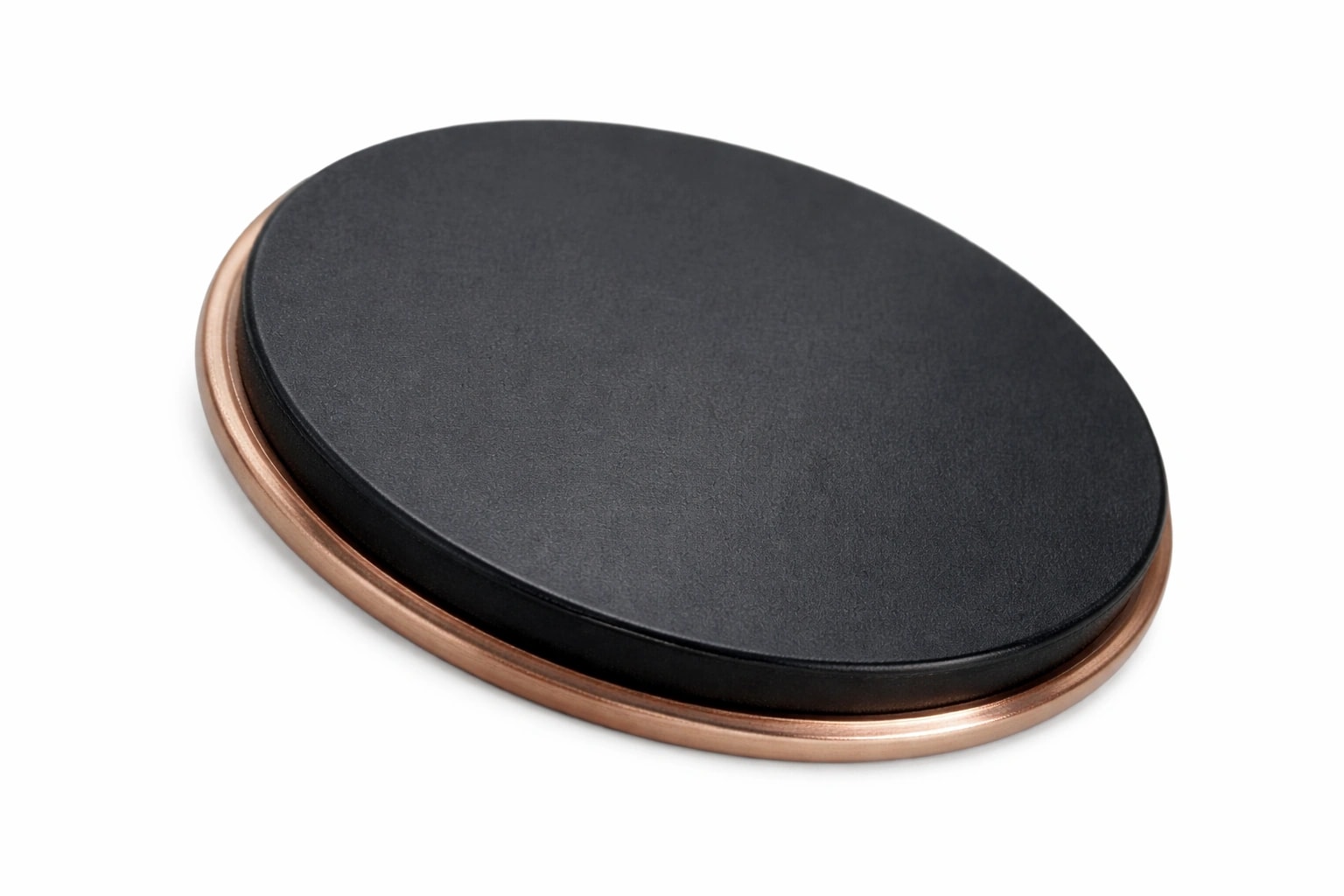
99.99% (4N) · 4–6 weeks
ITO Disc Target
Circular ITO targets sized for laboratory and pilot-line magnetrons, bonded to your backing plate or supplied loose.
Specs and quoteWhat matters when you specify ITO targets
Indium tin oxide is the only material in wide commercial use that is both transparent and conductive, which is why it sits in every touch panel, LCD, OLED and thin-film solar cell. The standard composition is 90:10 In₂O₃/SnO₂ by weight — the tin doping provides the free carriers that make an otherwise insulating oxide conduct.
Density is the number that separates a good ITO target from a bad one. Below about 99% of theoretical density, targets develop nodules during sputtering: dark growths on the erosion surface that trigger arcing, throw particles into the film and eventually force an unscheduled chamber opening. High density is not a specification refinement, it is what keeps your line running.
ITO is a ceramic and requires RF or pulsed-DC sputtering rather than plain DC. It is also brittle and thermally sensitive — a target that is heated or cooled too quickly will crack. This makes bonding quality and power ramping more critical than they are for metal targets.
Indium is expensive and supply is concentrated, so ITO economics reward attention. Rotary targets deliver up to 80% utilisation against roughly 30% for planar, and spent targets, grinding sludge and chamber shields all carry recoverable indium. We refine returned ITO material and credit it against new targets.
How to choose
Planar, rotary or disc?
Disc targets suit R&D and small tools. Planar covers general production and most semiconductor equipment. Rotary is for high-volume display and glass coating lines, where the utilisation advantage — 80% against 30% — dominates the higher unit price within a single campaign.
Does the 90:10 ratio matter?
Yes. 90:10 In₂O₃/SnO₂ is the standard because it sits near the conductivity optimum. Higher tin increases carrier concentration but scatters more light and reduces mobility; lower tin is more transparent but less conductive. We supply 95:5 and other ratios where your film specification calls for a different balance.
What density should you specify?
Aim for ≥99% of theoretical density. Below that, nodule formation accelerates, arcing increases and particle counts rise. The cost difference between a 97% and a 99.5% target is small compared with the cost of one unscheduled chamber opening on a production line.
Bonding for a brittle ceramic
ITO cracks under thermal stress, so bonding matters more than with metals. Indium bonding to a copper backing plate gives the best heat removal. For large plates we use segmented tiles with controlled gaps to accommodate differential expansion.
Manufacturing capability
The envelope we work within. If your requirement sits outside it, ask anyway — most limits here are standard-product limits, not process limits.
| Composition | In₂O₃/SnO₂ 90:10 standard, 95:5 on request |
|---|---|
| Purity | ≥ 99.99% (4N) |
| Density | ≥ 99% of theoretical |
| Formats | Planar, rotary, disc, segmented tiles |
| Disc diameter | Ø20 – 200 mm |
| Indium recovery | Spent targets and sludge credited at assay |
Ordering for a UK site? How we deliver sputtering targets to the UK duty paid — customs handled at our end, 2–4 working days in transit.
ITO Targets — frequently asked
Why do ITO targets form nodules?
Nodules grow where sputtering is uneven — around pores and low-density regions in the target. They are partially reduced indium oxide, they charge up, and they arc, throwing particles into the film. High target density (≥99% of theoretical) is the main defence; correct power density and periodic surface conditioning help with the rest.
Can ITO be sputtered with DC?
Not plain DC — ITO is a ceramic and charges up. Use RF for research and small-scale work, or pulsed-DC for production, where the pulse periodically discharges the surface and suppresses arcing. Pulsed-DC gives much higher deposition rates than RF and is the standard choice on production lines.
Is indium from spent ITO targets recoverable?
Yes, and it is worth doing. A spent target retains most of its indium outside the erosion track, and grinding sludge, chamber shields and process residues carry more. We refine returned ITO material and credit the recovered indium against new targets, which meaningfully reduces the effective cost per run.
What sizes can you make?
Discs from Ø20 to 200 mm, planar plates to your drawing, and rotary tubes up to 4000 mm as segmented or monolithic assemblies. Send the tool dimensions or a spent target and we match diameter, thickness, backing tube and bonding exactly.
Request a quote for ITO targets
Send your specification and a materials engineer will price it — not a sales form auto-reply. Quotes for ITO targets are returned within 24 hours.
Drawings, STEP files and photographs can be attached to the form. Prefer to talk it through? Leave a phone number and ask for a call.
What to include
- Material, grade and purity you need
- Dimensions, tolerances or a drawing
- Quantity and the date you need it
No drawing? Send photographs of the worn part — we can work from that.
Also manufactured
Other materials we make in Europe
Same certificate of analysis, same quote turnaround, one supplier.
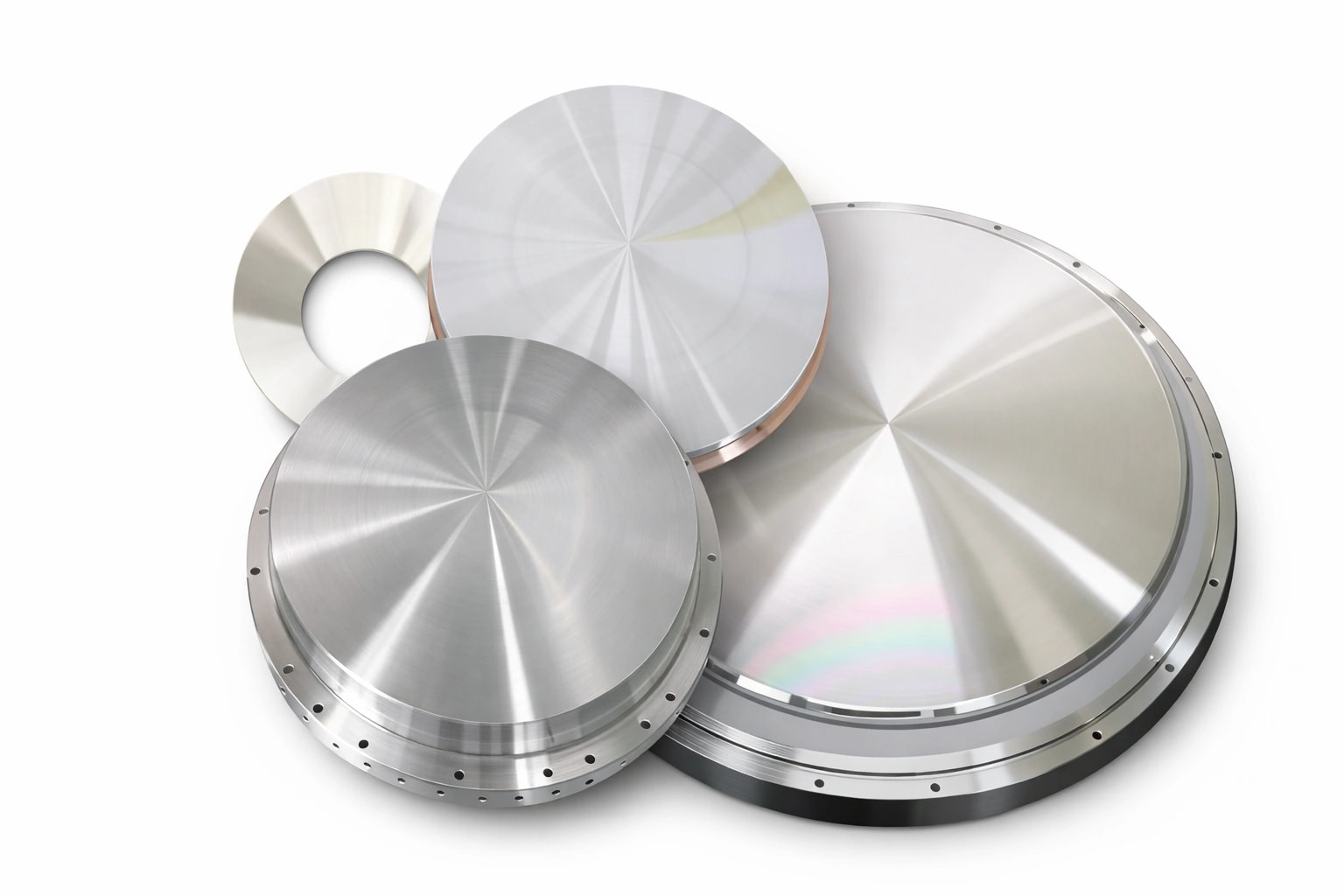
99.99% – 99.999% (4N – 5N)
Sputtering Targets
High-purity planar, rotary and custom sputtering targets, qualified against our European standards and shipped from inside the EU with a certificate of analysis on every plate.
Specifications & quote
In₂O₃/SnO₂ 90:10 standard, 95:5 on request
ITO Powders
Indium tin oxide powder with controlled particle size and specific surface area — for sputtering target pressing, conductive inks and sol-gel coatings.
Specifications & quote
99.99% – 99.999% (4N – 5N)
Evaporation Materials
Pellets, slugs, shot, corn and wire in 4N and 5N purity — sized to your crucible and hearth, supplied from Europe.
Specifications & quoteTechnical guides
Read before you specify
Written by the engineers who quote these parts, not by a content agency.
7 min read
Sputtering Target Bonding: Indium, Elastomer or Unbonded
Indium vs elastomer bonding, bond coverage and ultrasonic checks, Cu, Mo and Ti backing plates, rotary tubes, and when an unbonded target is the better choice.
Read the guide
8 min read
Transparent Conductive Materials: ITO and Alternatives
ITO, AZO, FTO, silver nanowire and graphene compared on sheet resistance, transmittance, cost and stability — and where each one actually wins.
Read the guide
7 min read
ITO for Displays & Touch Panels: Specification Guide
Sheet resistance, transmittance and patterning requirements for ITO in LCD, OLED and touch sensors — and how target specification changes by application.
Read the guideAlso searched as: ito target, ito sputtering target, indium tin oxide target, ITO rotary target, transparent conductive oxide target.