Why the supplier matters more than the specification
Two targets can carry identical paperwork — same material, same nominal purity, same dimensions — and behave completely differently in the chamber. One deposits uniformly for its full life. The other arcs at 40% utilisation, throws particles into your film and forces an unscheduled vent.
The difference is almost never the chemical analysis. It is density, microstructure, grain size uniformity and the quality of the bond to the backing plate. None of these appear on a typical purchase specification, and none of them can be verified once the target is installed. They are decided by the manufacturer's process, which is why supplier selection is the real technical decision.
The five things worth asking about
Most procurement conversations cover price, size and lead time. These five questions separate suppliers who understand deposition from suppliers who machine metal to a drawing.
- What is the measured density, as a percentage of theoretical? Above 99% is what you want for oxide targets, and the honest answer is a measured figure per lot, not a catalogue value.
- How is purity determined, and will you send the GDMS or ICP-MS trace for my lot? A certificate quoting a nominal grade without measured element-by-element data tells you nothing.
- How is the target bonded, and what void percentage do you accept? Indium bonding below about 95% coverage means hot spots and cracked targets. Ask whether bonds are ultrasonically inspected.
- What is the realistic repeat lead time, not the first-order lead time? The number that matters is how fast you can get the second one when the first fails early.
- What happens to the spent target? A used target still contains 60–70% of its original metal. If your supplier has no answer, you are paying for that metal twice.
Purity grades, and when they actually matter
Purity is quoted in nines: 3N is 99.9%, 4N is 99.99%, 5N is 99.999%. Each step up costs meaningfully more, and each step up is only worth paying for in specific cases.
The trap is assuming higher is always better. It is not — it is always more expensive, and the impurity that matters is application-specific. For an aluminium interconnect, sodium and potassium at the ppm level cause device failures, while iron at ten times that concentration is harmless. For an optical coating, transition metals that absorb in your wavelength band matter and alkalis do not. Specify the elements you care about rather than buying nines you do not need.
| Grade | Purity | Typical use |
|---|---|---|
| 3N5 | 99.95% | Decorative and tribological coatings, tooling |
| 4N | 99.99% | Optical coatings, architectural glass, general PVD |
| 4N5 | 99.995% | Display, precision optics, most semiconductor back-end |
| 5N | 99.999% | Front-end semiconductor, research-grade films |
Planar, rotary or disc?
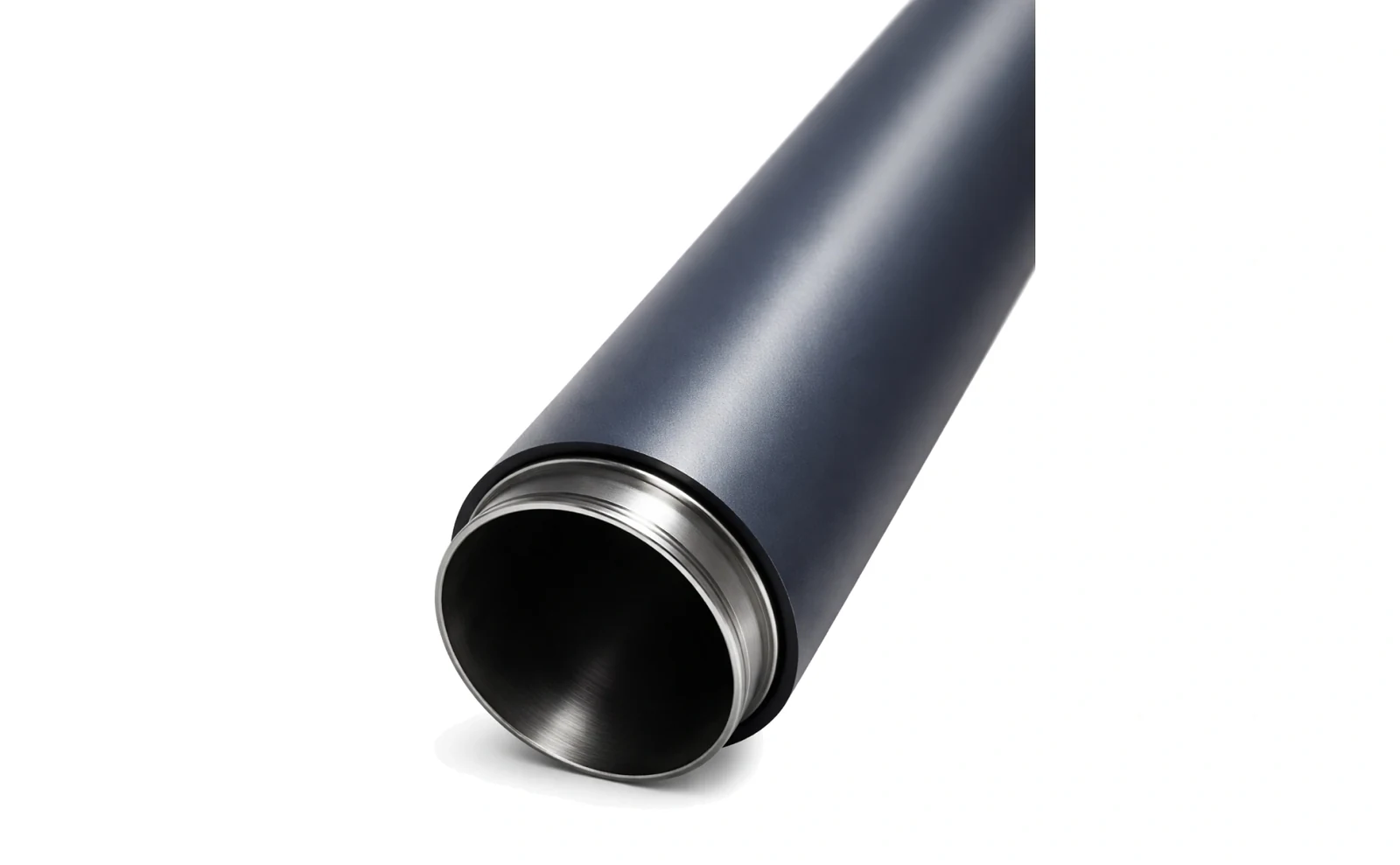
The geometry decision is usually made by your tool rather than by you, but if you have a choice it changes the economics significantly.
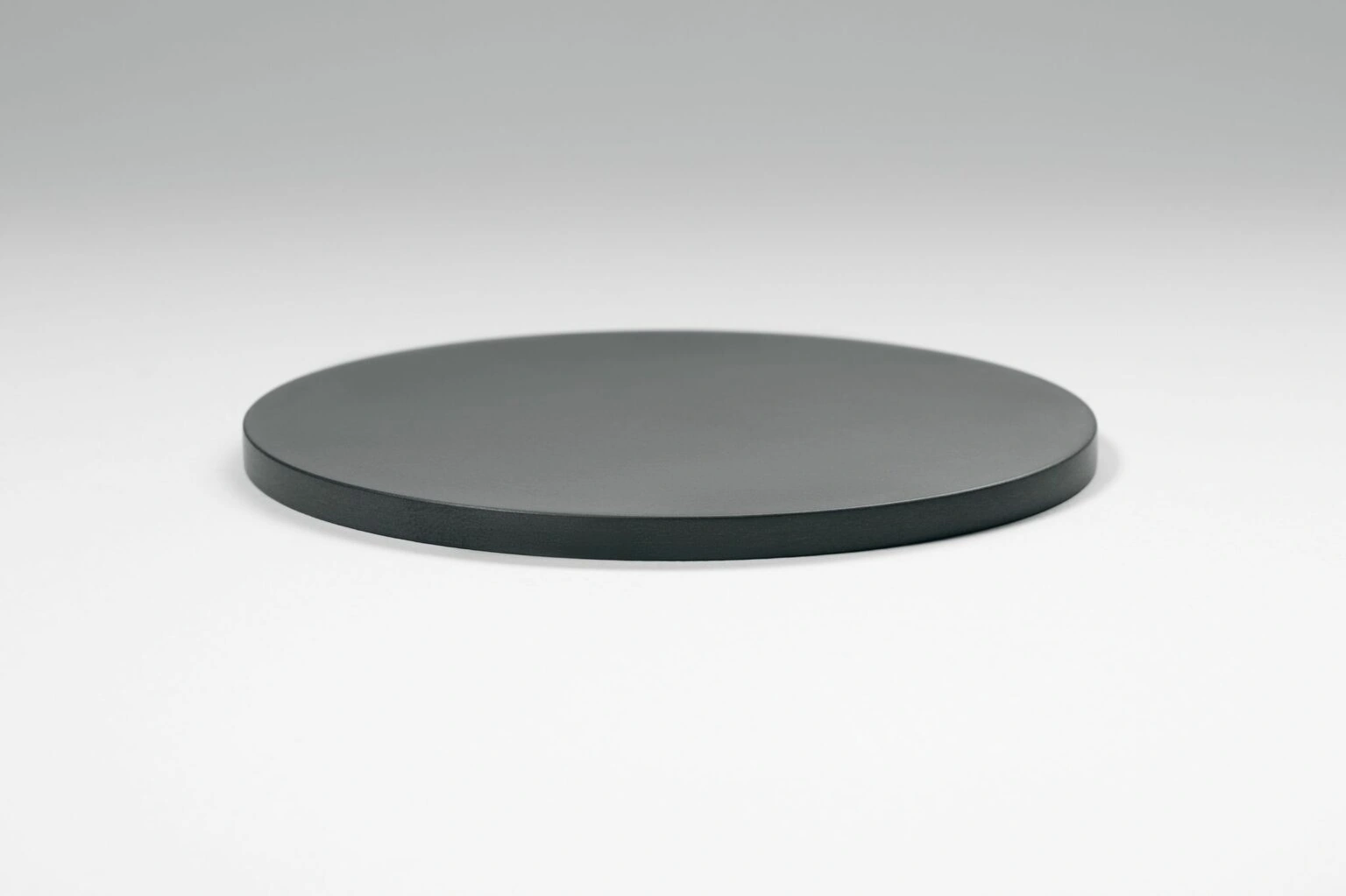
Planar targets are the default: simple, cheap, available in every material, and usable in essentially any magnetron. Their weakness is utilisation — the racetrack erosion pattern typically consumes only 25–35% of the material before the target must be changed.
Rotary targets rotate under the magnet so the erosion is distributed around the whole circumference, reaching 70–80% utilisation. They cost more per piece and need a compatible tool, but for continuous production the material cost per square metre coated is substantially lower and there are far fewer target changes.
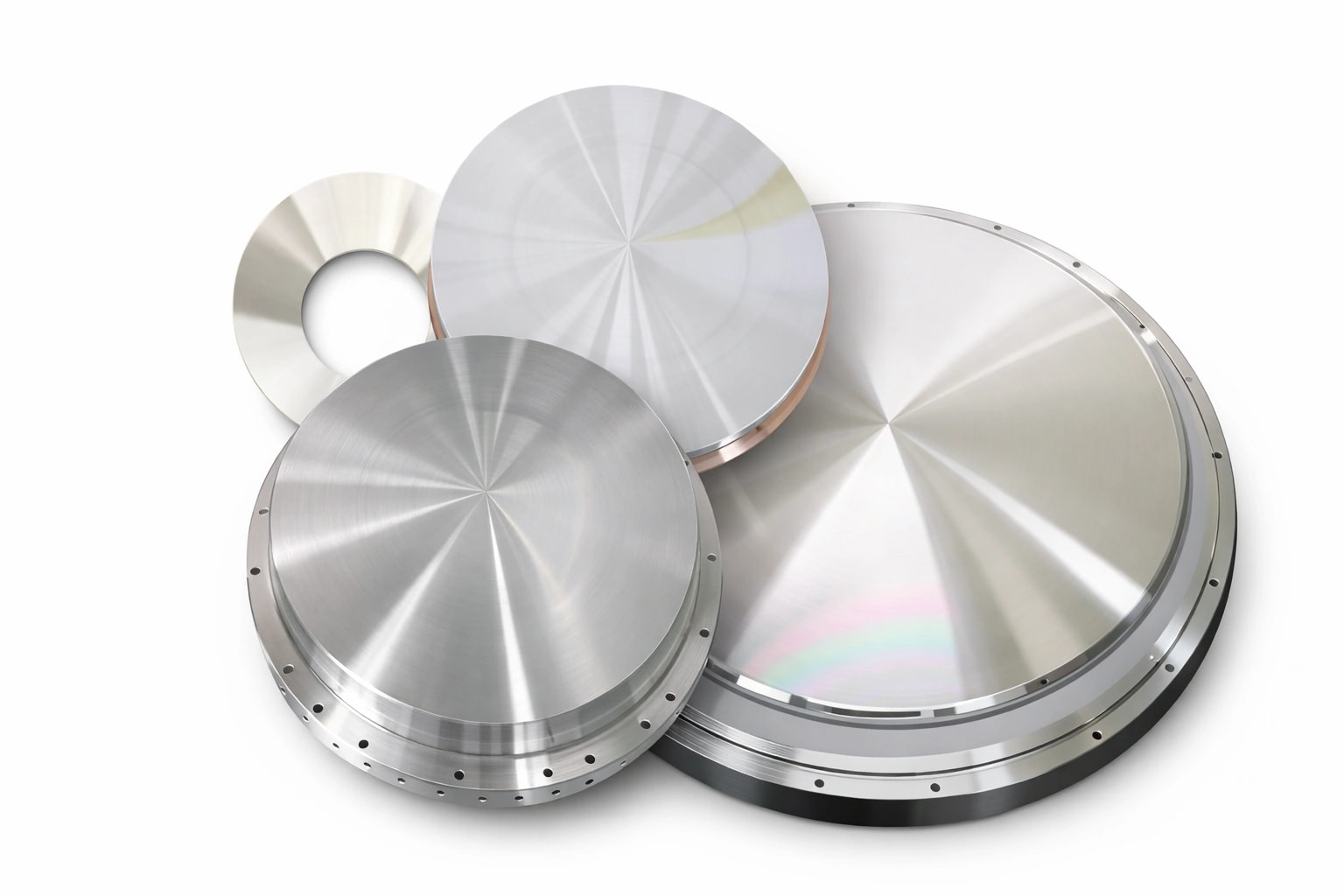
Disc targets are small-diameter planar targets for R&D systems, confocal sputter-down configurations and multi-source tools. The relevant questions are diameter tolerance and thickness consistency, because small chambers have little clearance.
The four types of target supplier
Suppliers into Europe fall into four broad groups, and knowing which one you are talking to explains most of what you will experience on price, lead time and technical support.
Integrated refiner-manufacturers produce targets and also refine spent material. They can quote against the metal you return, which changes the economics on precious and high-value materials substantially. Specialist target houses manufacture but do not refine — strong technically, though a spent target is your disposal problem. Distributors reselling Asian production are cheapest on list price and carry long replacement lead times, with limited ability to investigate a process problem. Refractory and graphite specialists machine components to drawing and are the right choice for crucibles, boats and fixtures rather than targets.
On price alone, imported production usually wins. The comparison changes once you include the things that do not appear on a quotation: duty and customs handling, six to ten weeks of freight on a replacement, the cost of an idle tool waiting for it, and the residual value of spent material sitting in a drawer because returning it across a customs border is not worth the paperwork.
What a European supplier actually buys you
Three things, concretely. First, replacement speed — a replacement that arrives in days once it is built, rather than after another six to ten weeks of freight, changes what stock you must hold. Second, no customs friction at your end: goods already in free circulation move inside the EU without a further duty charge, customs brokerage or the delays that come with them, and where duty was payable on import the supplier paid it as importer of record and carried it in the price. Third, the return path works, so spent targets can actually be sent back and credited instead of accumulating.
That third point is the one most often overlooked, and on precious metal and indium-bearing materials it frequently dominates the total cost. A spent ITO target still holds most of its indium. A spent platinum or ruthenium target is worth a substantial fraction of its purchase price. If returning it is administratively painful, that value is simply lost.
Reading a certificate of analysis properly
A certificate of analysis should be specific to your lot and should state measured values, not specification limits. If every certificate from a supplier carries identical numbers, you are looking at a template rather than an analysis.
Look for: the analytical method named (GDMS and ICP-MS are the credible ones for trace metals), element-by-element results rather than a single purity figure, measured density with the method stated, and the lot or heat number traceable back to the material. For bonded targets, ask for the bond inspection result as well — ultrasonic void mapping is the standard, and a bond above 95% coverage is what you should expect.
Frequently asked questions
What types of sputtering target supplier are there?
Four: integrated refiner-manufacturers, specialist target houses, distributors reselling Asian production and refractory machining specialists. DepoMaterials sits in the first group: we manufacture targets, qualify what we do not make ourselves against the same European standards, and refine spent material, so returned targets are credited against new orders rather than becoming a disposal problem.
How much does a sputtering target cost?
The metal dominates. A 3-inch aluminium planar target runs into the low hundreds of euros; the same geometry in platinum or ruthenium runs into the thousands, because you are essentially buying metal with machining on top. This is exactly why recovery terms matter: on precious metal targets, the buy-back value on the spent piece can exceed the entire machining cost of the replacement.
What lead time should I expect?
Across the market, four to six weeks is normal for standard geometries in common materials and eight to twelve for bonded or unusual sizes. Ours are stated on each product page — three to six weeks for standard metal targets — with a firm date in every quote. The number worth asking about is the repeat lead time — how quickly you can get a second one if the first fails early. That is the figure that determines how much spare stock you have to hold.
Can I get targets in custom dimensions?
Yes, and for anything other than a mainstream tool it is usually necessary. Send the diameter, thickness, any backing plate details and the tool it runs in. If you have an existing target, sending the worn piece is often faster than producing a drawing — we can measure the geometry and the erosion pattern directly.
What should a target certificate show for front-end semiconductor work?
Full GDMS trace analysis per lot, at 4N5 or 5N. For front-end use, tell us which elements your process is sensitive to — alkali metals, transition metals, uranium and thorium for alpha-particle-sensitive devices — so the certificate reports what you actually need to control rather than a generic element list.
Talk it through with an engineer
If this guide has not answered your question, describe your process and we will tell you what we would specify — including when the answer is that you do not need what you were about to buy.
Drawings, STEP files and photographs can be attached to the form. Prefer to talk it through? Leave a phone number and ask for a call.
What to include
- Your deposition process and tool
- Film requirement or the problem you are solving
- Volumes, if you know them
No drawing? Send photographs of the worn part — we can work from that.