
Metal recovery
Palladium Recovery & Catalyst Recycling
Palladium moves through catalyst, electronics and thin films in large volumes — and most of it can be recovered at high yield.
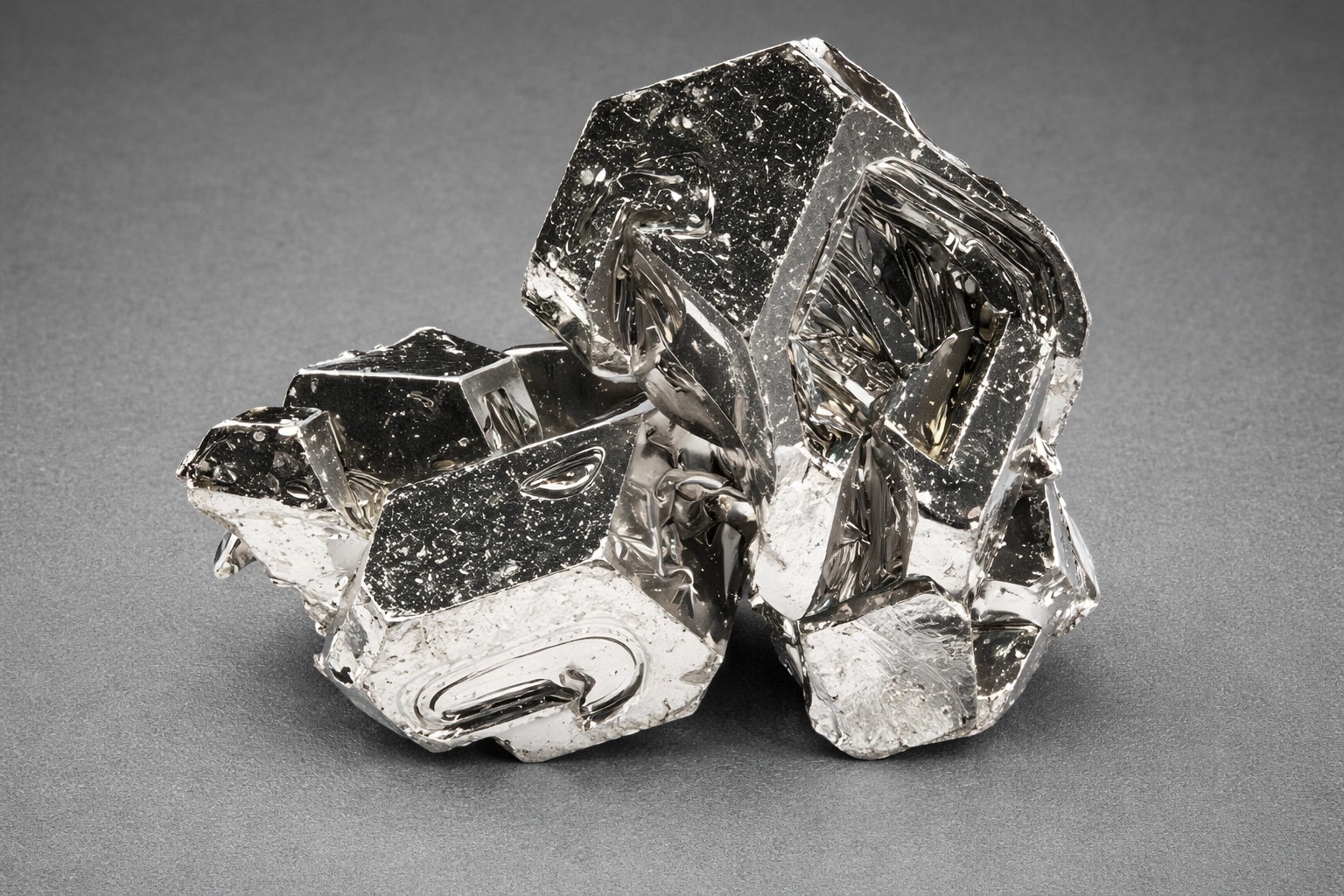
- Refined output
- 99.95% (3N5) refined output
- Settlement
- 15 working days
- Assay
- Full report supplied
- Collection
- Across Europe
Palladium-bearing material we accept
- Spent Pd/C and Pd/Al₂O₃ catalyst from chemical and pharmaceutical synthesis
- Autocatalyst and industrial catalyst residues
- Palladium sputtering targets and evaporation materials
- MLCC electrodes and electronic component scrap
- Palladium plating solutions, spent electrolyte and other palladium waste
Not sure whether your material qualifies? Send a photograph and an approximate weight through the valuation form — we will tell you within 24 hours whether it is worth refining.
Why palladium recovery is worth doing
Palladium is the workhorse catalyst metal of the chemical and pharmaceutical industries. Pd/C and Pd/Al₂O₃ drive hydrogenation, coupling and dehalogenation reactions across an enormous range of processes, and every one of those processes eventually produces spent catalyst.
Recovery yields from spent catalyst are high — typically well above 95% — because the palladium is present as discrete metal on a carrier that can be burned off or dissolved away. This is one of the most efficient recovery routes in the PGM world.
Electronics is the other large stream. Multilayer ceramic capacitors, connectors and plated contacts all contain palladium, and process scrap from their manufacture is usually far richer than post-consumer material. If you produce it, it is worth segregating at source rather than letting it mix into general electronic scrap.
The refining process, step by step
- 1
Segregation advice
Before collection, we advise on how to keep streams separate. Mixed material assays lower and settles slower — a small amount of discipline at source is worth real money.
- 2
Collection
Sealed containers collected across Europe with documented chain of custody.
- 3
Incineration and homogenisation
Carbon and organic carriers are burned off under controlled conditions, leaving an ash that can be homogenised and sampled representatively.
- 4
Assay
ICP-OES assay with the full report supplied, covering palladium and any accompanying PGMs. Umpire sample held on request.
- 5
Settlement
Cash within 15 working days of assay agreement, or metal credited to your account or against new material.
Where palladium is used
Knowing the application usually tells us where the metal ends up — and therefore what is worth collecting.
- Hydrogenation and cross-coupling catalysts in chemical and pharmaceutical synthesis
- Autocatalyst for petrol engine emission control
- MLCC internal electrodes and electronic terminations
- Sputtering targets and evaporation material for thin films
- Hydrogen purification membranes and sensors
Palladium recovery — frequently asked
What palladium recovery yield should I expect from spent Pd/C?
Typically above 95%. The carbon carrier burns off cleanly and the palladium concentrates in the ash, making this one of the higher-yielding recovery routes. Yield falls if the material has been contaminated with other process waste, which is the main argument for segregating at source.
Should I keep palladium streams separate from other scrap?
Yes, and it is the single most valuable thing you can do. Mixed material dilutes the assay, complicates the refining route and slows settlement. Keeping Pd/C separate from Pd/Al₂O₃, and both separate from electronic scrap, typically improves what you receive by more than the effort costs.
Do you handle pharmaceutical catalyst with controlled residues?
Yes, subject to a declaration of what the catalyst has been exposed to. We need the safety data before collection so the incineration route is set up correctly. Tell us what the process was — it affects handling, not whether we will take it.
How is the settlement price set?
Against a published LPPM reference on an agreed date, with the refining charge shown as a separate line. You see metal content, reference price, date and charge as distinct figures. We do not quote a single blended number that hides the split.
Send us your palladium-bearing material
Spent targets, catalyst, electrodes, sludge or sweepings — if it contains palladium, we will assay it and tell you exactly what is in there. Indicative valuation within 24 hours.
Drawings, STEP files and photographs can be attached to the form. Prefer to talk it through? Leave a phone number and ask for a call.
What to include
- Material type and rough composition
- Approximate weight and number of containers
- Whether you want cash settlement or credit
No drawing? Send photographs of the worn part — we can work from that.
New material
Sputtering targets and components we manufacture
Recovery value can be credited against new material — qualified in Europe, accountable in Europe, built to your specification.
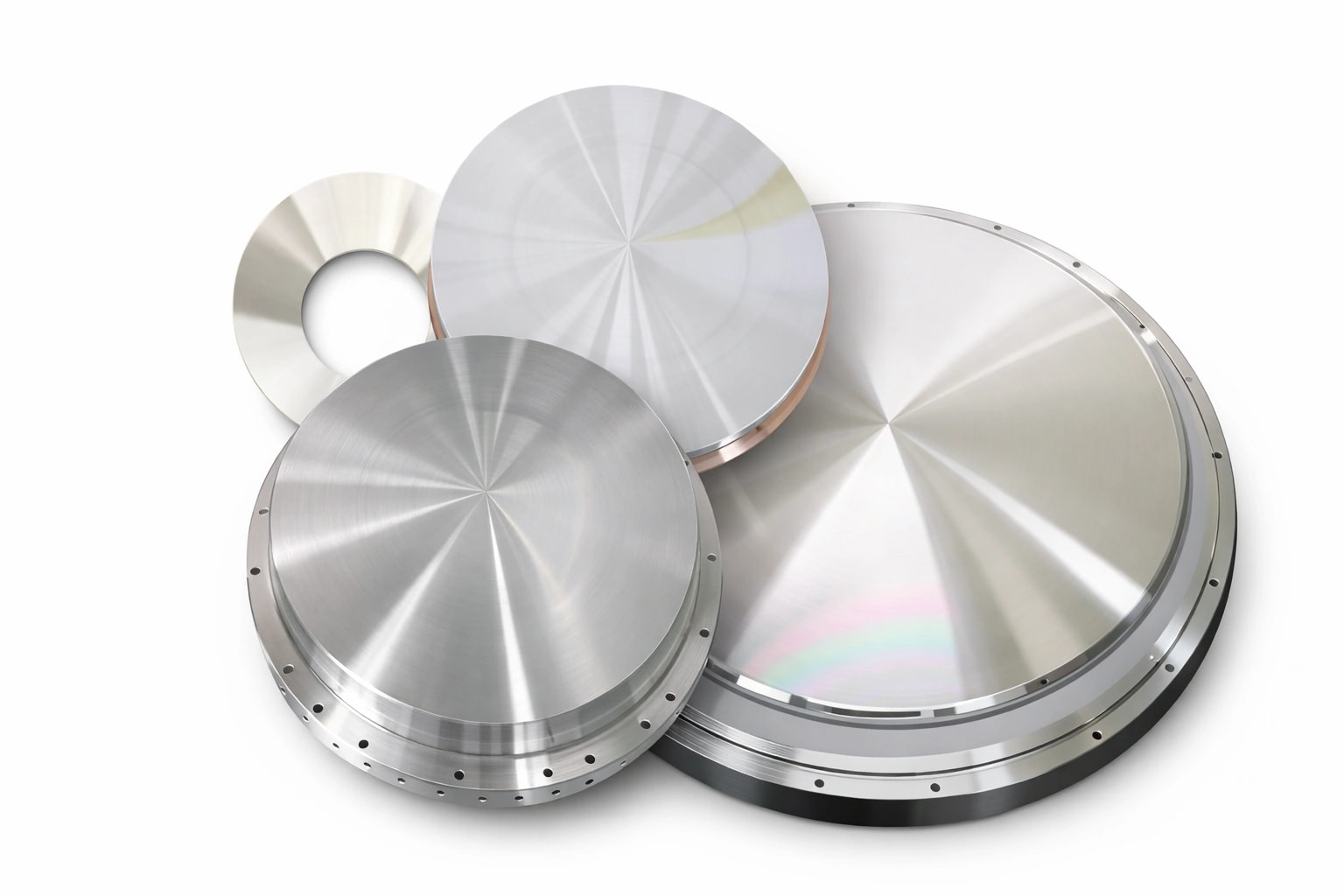
99.99% – 99.999% (4N – 5N)
Sputtering Targets
High-purity planar, rotary and custom sputtering targets, qualified against our European standards and shipped from inside the EU with a certificate of analysis on every plate.
Specifications & quote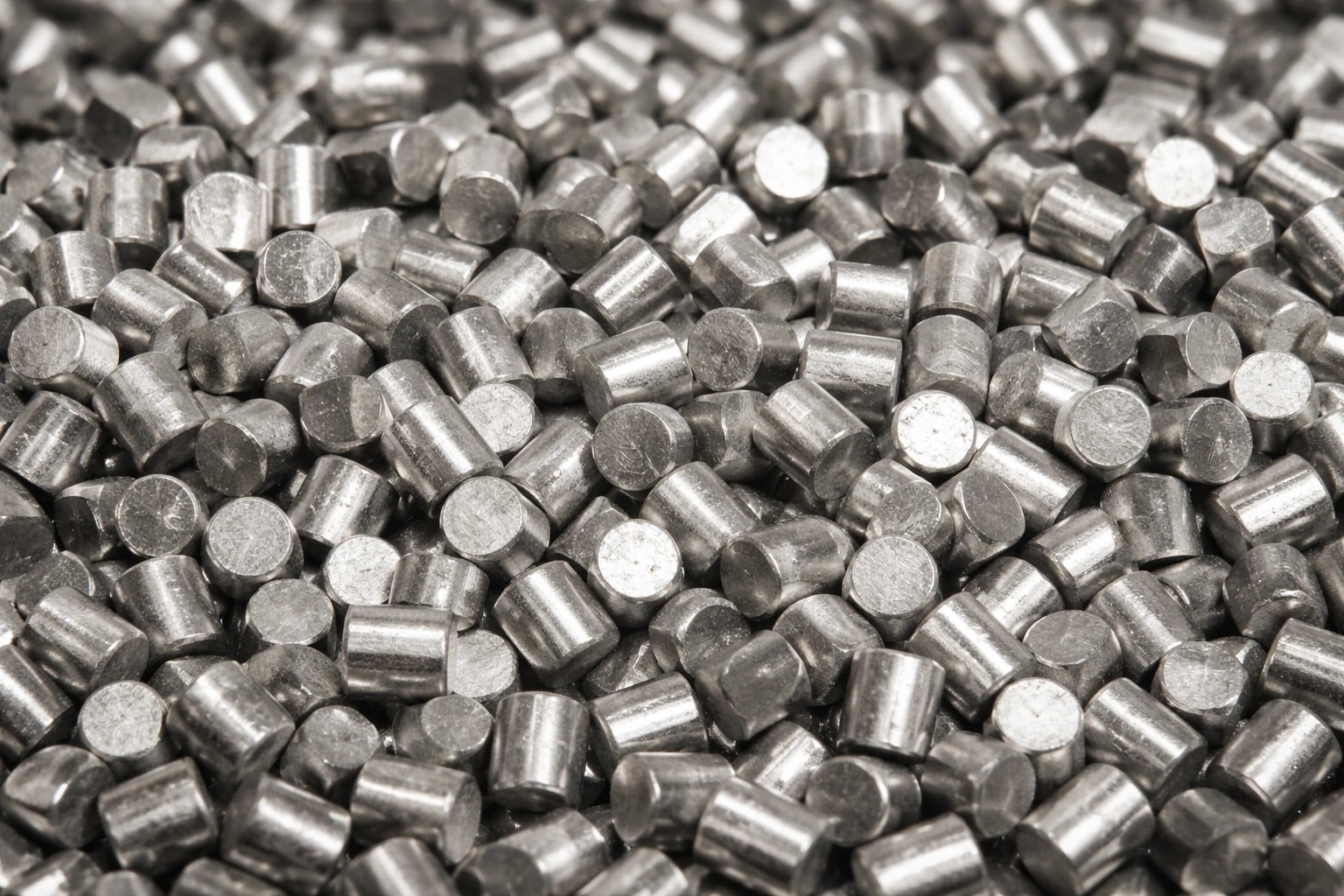
99.99% – 99.999% (4N – 5N)
Evaporation Materials
Pellets, slugs, shot, corn and wire in 4N and 5N purity — sized to your crucible and hearth, supplied from Europe.
Specifications & quote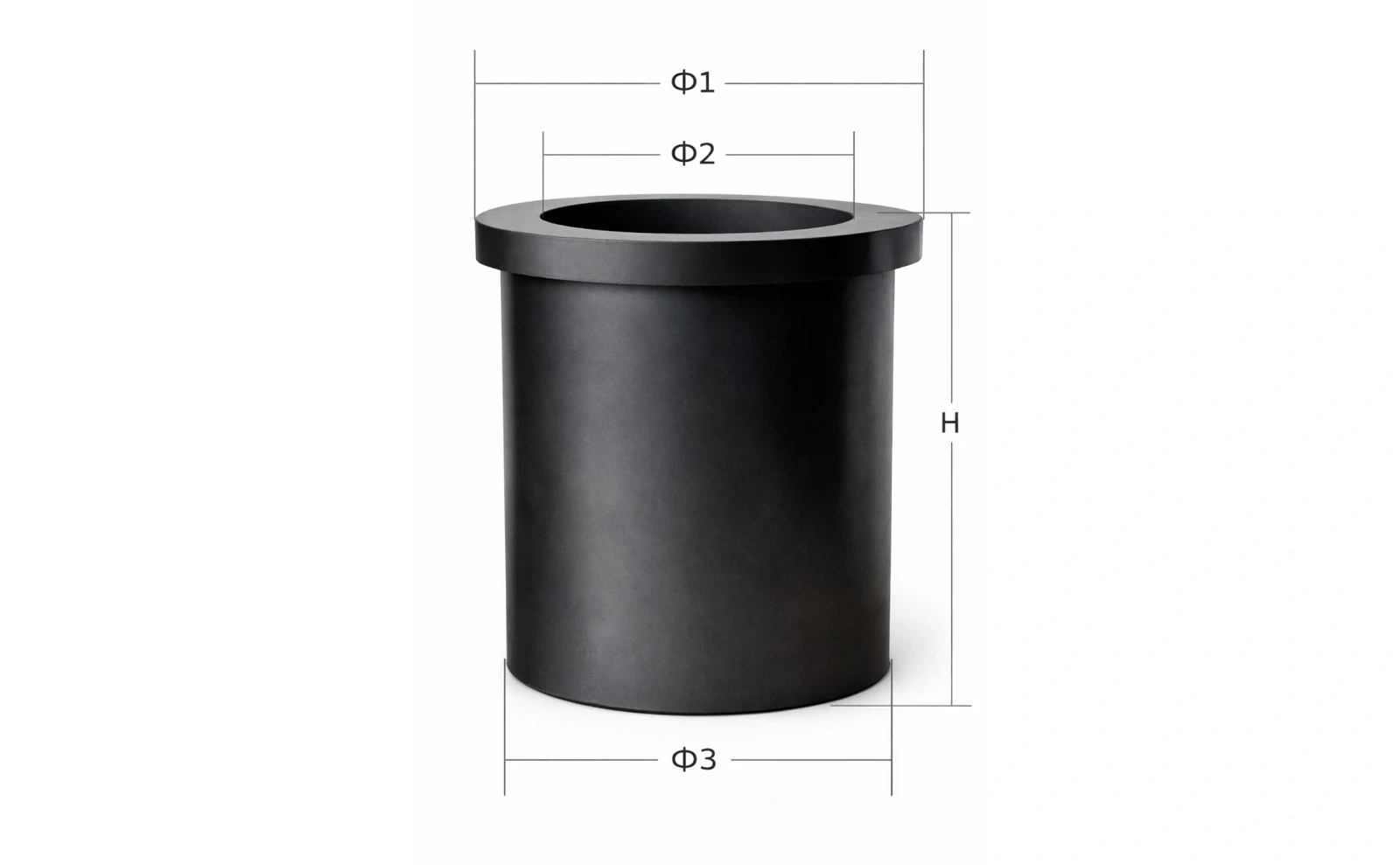
Isostatic graphite, fine and ultra-fine grain
Graphite Components
Isostatic graphite parts machined to drawing in Europe — crucibles, saggers, susceptors, fixtures and porous components, down to 5 ppm ash.
Specifications & quoteOther metals we recover
Mixed material is normal. We assay and settle each metal separately.
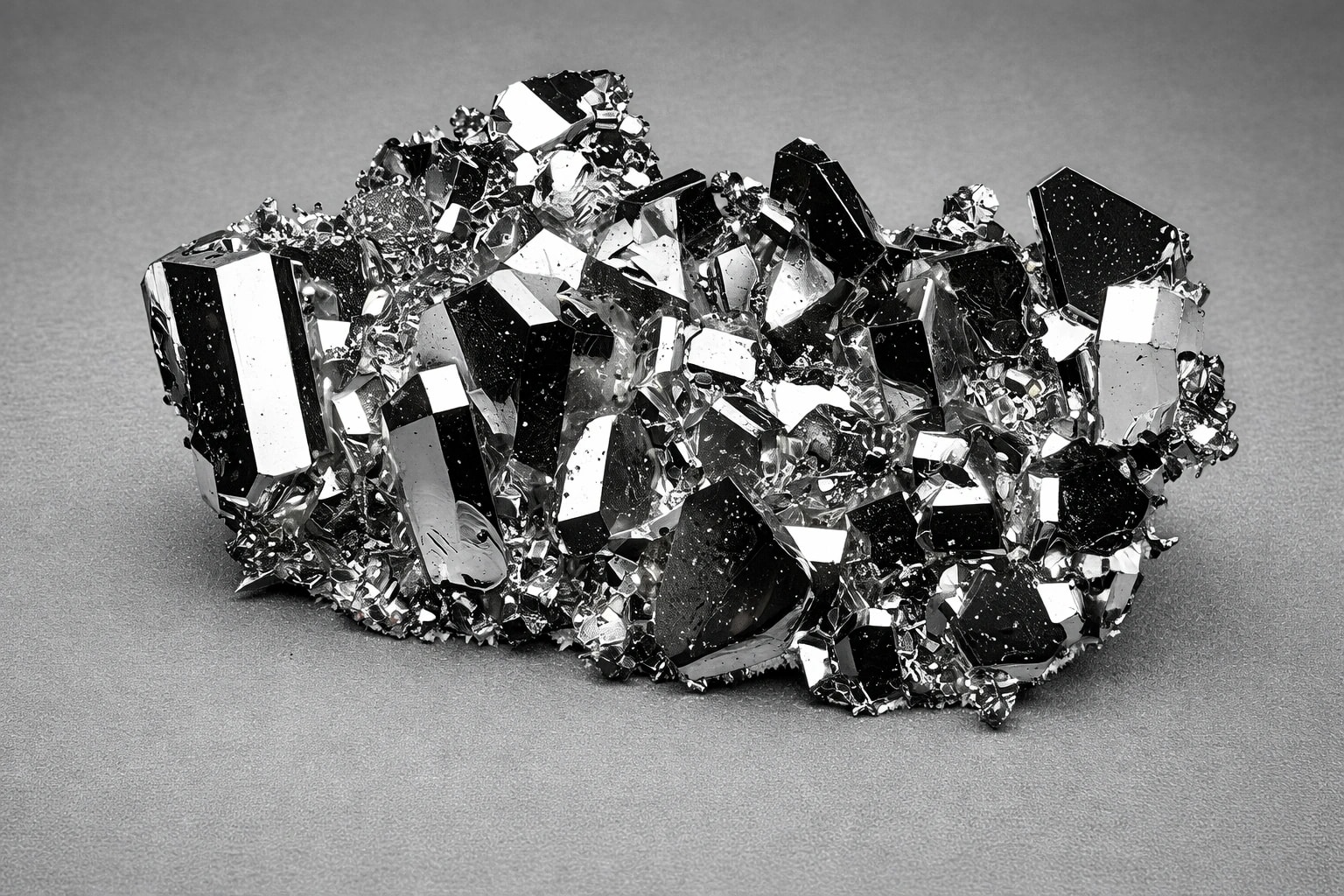
Ru
Ruthenium recovery
Ruthenium is the scarcest of the platinum group metals in supply terms — recovering yours is usually worth considerably more than you expect.
Recovery terms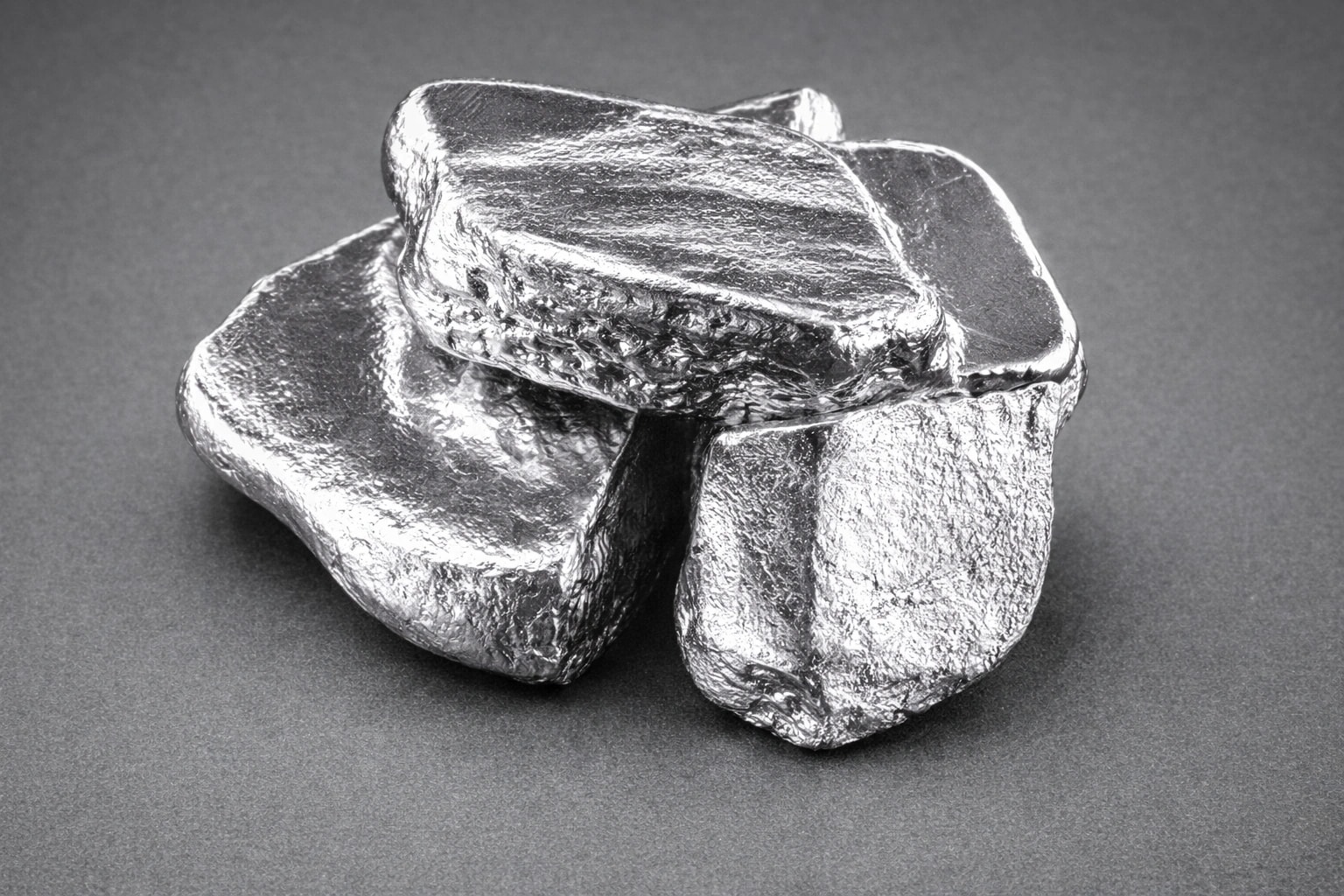
Rh
Rhodium recovery
Rhodium is the most valuable of the platinum group metals — small quantities of spent catalyst are often worth recovering on their own.
Recovery terms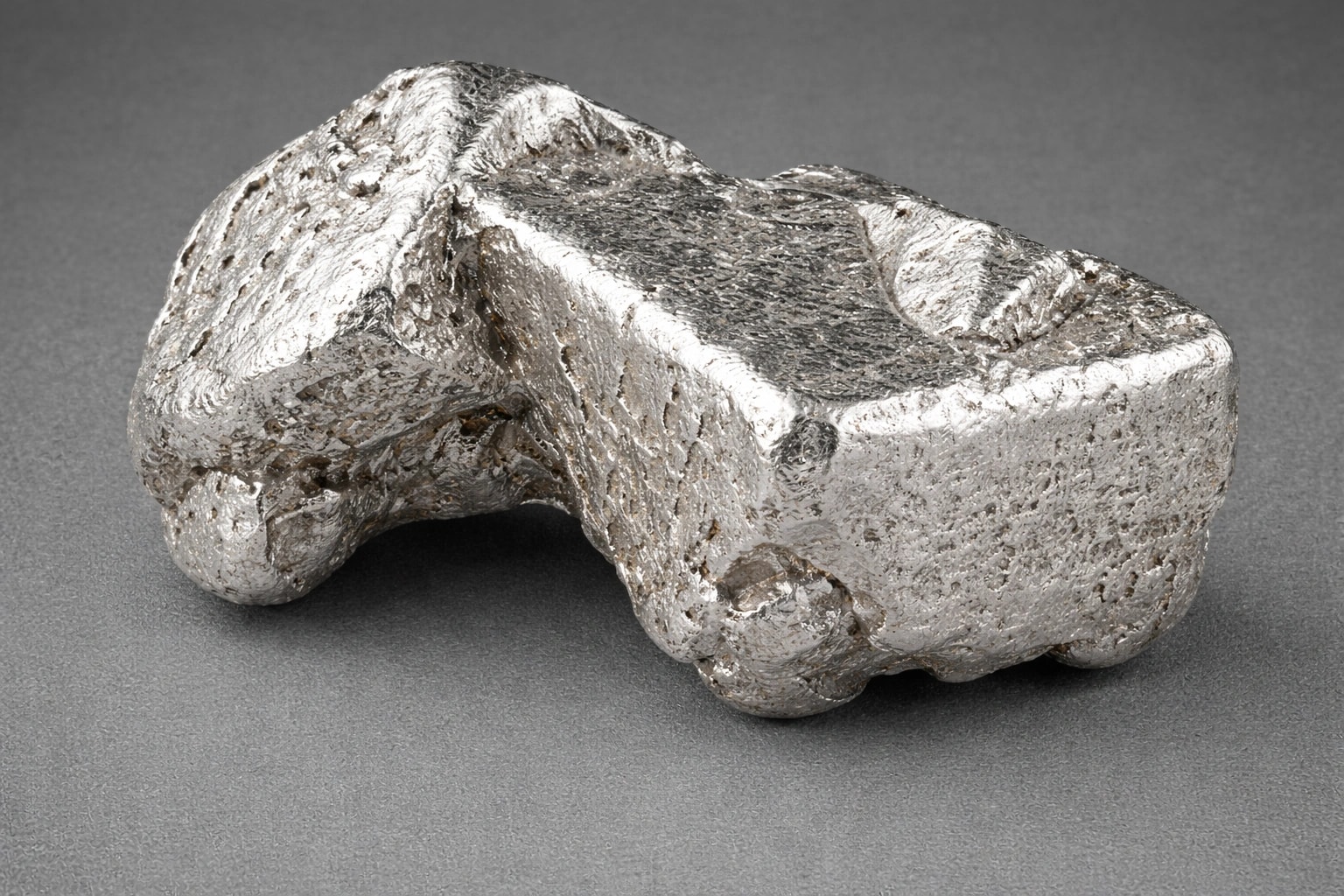
Pt
Platinum recovery
Platinum labware and process metal is a capital asset, not a consumable — worn and damaged pieces retain essentially their full metal value.
Recovery termsAlso searched as: pd catalyst recycling, palladium recovery, spent palladium catalyst, Pd refining, palladium recycling services, palladium waste recovery.