
Platinum Components
Platinum Wire, Gauze & Electrodes
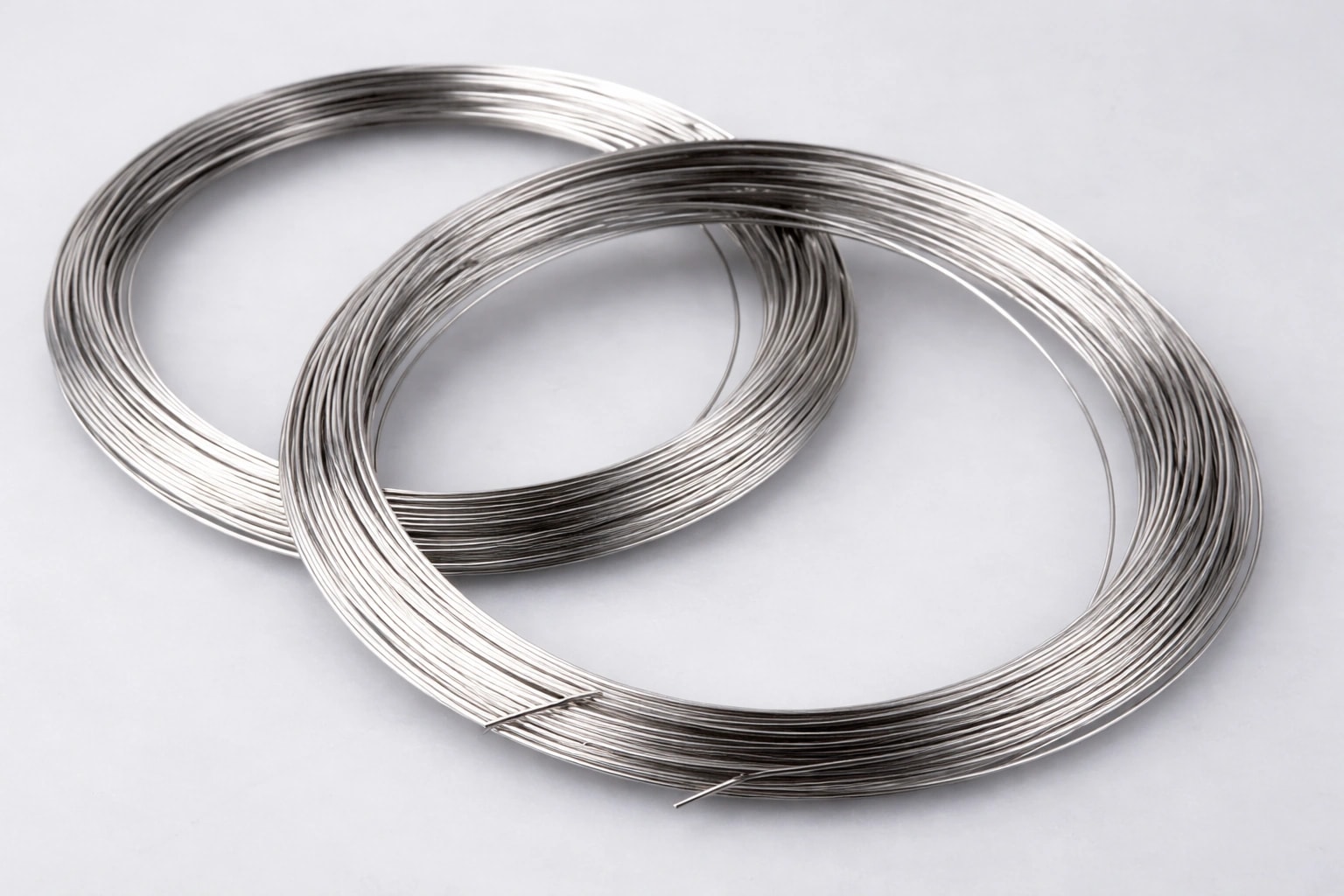
Drawn platinum and Pt/Rh wire for thermocouples, electrochemistry and catalysis, from 25 µm upwards.
- Purity
- 99.99% (4N)
- Lead time
- 3–5 weeks
- Qualified in
- Europe
- Documentation
- Certificate of analysis per batch
Purity up to 99.999%
5N material with certificate of analysis
Quote within 24 h
Technical review by materials engineers
Shipped from Europe
Dispatched inside the EU, customs handled at our end
Custom dimensions
Built to your tool and bonding spec
About platinum wire
Platinum wire underpins accurate high-temperature measurement. Type R (Pt/Rh 87:13) and Type S (Pt/Rh 90:10) thermocouples are the reference standards for calibration up to 1600 °C, and their accuracy depends directly on wire composition being right and staying homogeneous. For how the two types differ and why they are not interchangeable, see Type R vs Type S thermocouples.
In electrochemistry, platinum is the standard inert electrode: it does not dissolve, does not participate in the reaction and provides a stable, reproducible surface. Counter electrodes, reference electrode elements and working electrodes are all commonly platinum.
As gauze, platinum serves as a catalyst — most notably in ammonia oxidation for nitric acid production, where the enormous surface area of fine woven platinum wire drives the reaction.
Platinum Wire specifications
Standard specification below. Anything on this table can be changed — send us your drawing or tool model and we will quote to it.
| Material | 99.99% Pt, Pt/Rh 87:13 (Type R), Pt/Rh 90:10 (Type S) |
|---|---|
| Diameter | 0.025–3.0 mm |
| Forms | Wire, gauze, mesh, foil, formed electrodes |
| Temper | Annealed (soft) or hard drawn |
| Tolerance | ± 1% on diameter |
| Buy-back | Offcuts and scrap credited at assay value |
Platinum material datasheet
Published constants for platinum — the numbers you need to set up a run before the material arrives. Print this page for the process folder, or send it to us with your parameters and we will tell you whether the grade we stock suits them.
Chemical identity
| Material | Platinum |
|---|---|
| Symbol | Pt |
| CAS number | 7440-06-4 |
| Atomic number | 78 |
| Atomic weight | 195.084 |
| Appearance | Metallic grey |
Physical and thermal properties
| Theoretical density | 21.45 g/cm³ |
|---|---|
| Melting point | 1,772 °C |
| Thermal conductivity | 72 W/m·K |
| Coefficient of thermal expansion | 8.8 × 10⁻⁶/K |
| Z ratio (QCM) | 0.245 |
Platinum is a precious metal. Spent crucibles, wire and residues have real recoverable value — we buy back platinum-bearing scrap and credit it against the next order.
Values above are published material constants for process planning and can vary with grade, microstructure and measurement method. They are not a supply specification — what we guarantee on your order is the specification table above and the certificate of analysis shipped with it.
Source: Kurt J. Lesker Company, deposition materials data. CAS numbers from the public chemical registry entry for each element.
Applications
Type R and S thermocouples
Reference-grade temperature measurement to 1600 °C in furnaces, glass tanks and calibration laboratories.
Electrochemistry
Inert counter, working and reference electrodes for voltammetry, electrolysis and corrosion testing.
Catalyst gauze
Woven platinum and Pt/Rh gauze for ammonia oxidation and other catalytic processes.
Laboratory and medical
Inoculating loops, ignition wires, marker wires and medical device components.
What we can change for you
- Diameters from 25 µm to 3.0 mm, annealed or hard drawn.
- Pt/Rh alloys for Type R and Type S thermocouples, and Pt/Ir for stiffer electrodes.
- Woven gauze and mesh to specified mesh count and wire diameter.
- Formed electrodes, loops and coils made to drawing.
Technical notes
Tight compositional control keeps thermocouple EMF within standard tolerance.
± 1% diameter tolerance gives reproducible electrode area and resistance.
Offcuts and spent wire bought back at assay value — the metal is never lost.
Platinum Wire — questions we get asked
What is the difference between Type R and Type S thermocouple wire?
Both pair a Pt/Rh alloy against pure platinum. Type S uses Pt/Rh 90:10 and is the older international reference standard; Type R uses Pt/Rh 87:13, giving a slightly higher EMF output and marginally better resolution. They are not interchangeable — using Type R wire with a Type S instrument introduces a systematic error.
Why does platinum thermocouple accuracy degrade over time?
Rhodium migrates from the alloy leg to the pure platinum leg at high temperature, gradually reducing the EMF difference between them. Contamination — particularly silicon from ceramic insulators and reducing atmospheres — accelerates it sharply. Periodic recalibration, and clean high-purity insulators, are the practical defences.
Do you buy back platinum wire offcuts?
Yes. Offcuts, spent thermocouples, used electrodes and old gauze all retain essentially full metal value. We assay and credit them against new orders, which meaningfully reduces the effective cost of platinum consumables. Contaminated material is still worth returning — we recover it.
What diameter platinum wire should I use for an electrode?
For laboratory counter electrodes, 0.5–1.0 mm is typical: rigid enough to handle, with adequate surface area. Microelectrodes go down to 25 µm where a small, well-defined area matters. For working electrodes, area and geometry matter more than diameter per se — tell us the application and we will advise.
Request a quote for platinum wire
Send your specification and a materials engineer will price it — not a sales form auto-reply. Quotes for platinum wire are returned within 24 hours.
Drawings, STEP files and photographs can be attached to the form. Prefer to talk it through? Leave a phone number and ask for a call.
What to include
- Purity grade — 99.99% (4N) is standard
- Dimensions, tolerances or a drawing
- Quantity and required delivery date
No drawing? Send photographs of the worn part — we can work from that.
Related materials
Often specified alongside this product by the same customers.
99.95% Pt · 4–6 weeks
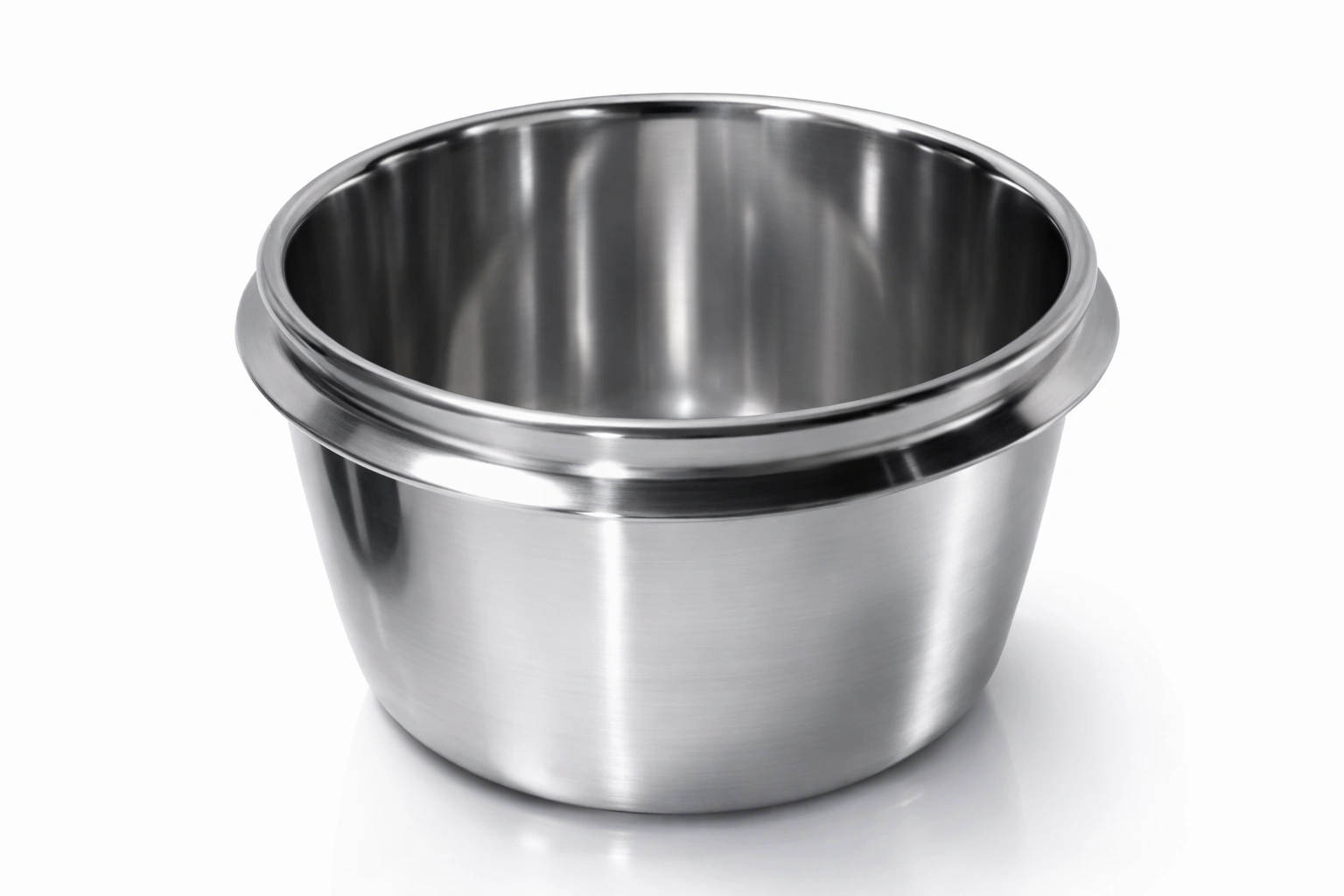
Platinum Crucible
Hand-formed platinum crucibles, dishes and fusion ware for XRF sample preparation, ashing and high-temperature chemistry.
View details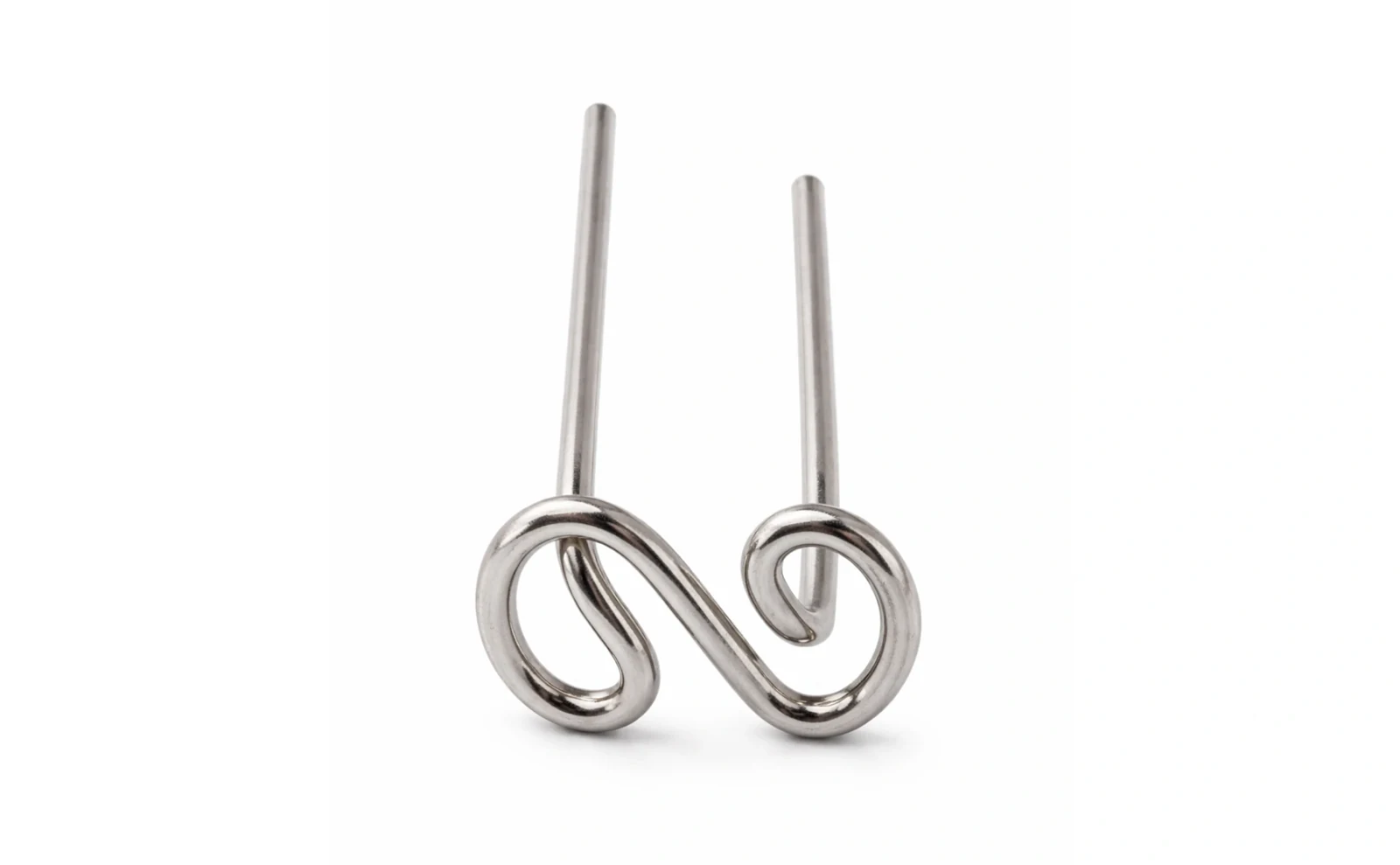
99.95% · 3–5 weeks
Tungsten Filament
Precision-wound tungsten filaments and coils for ion implanters, electron guns and vacuum furnace heaters.
View details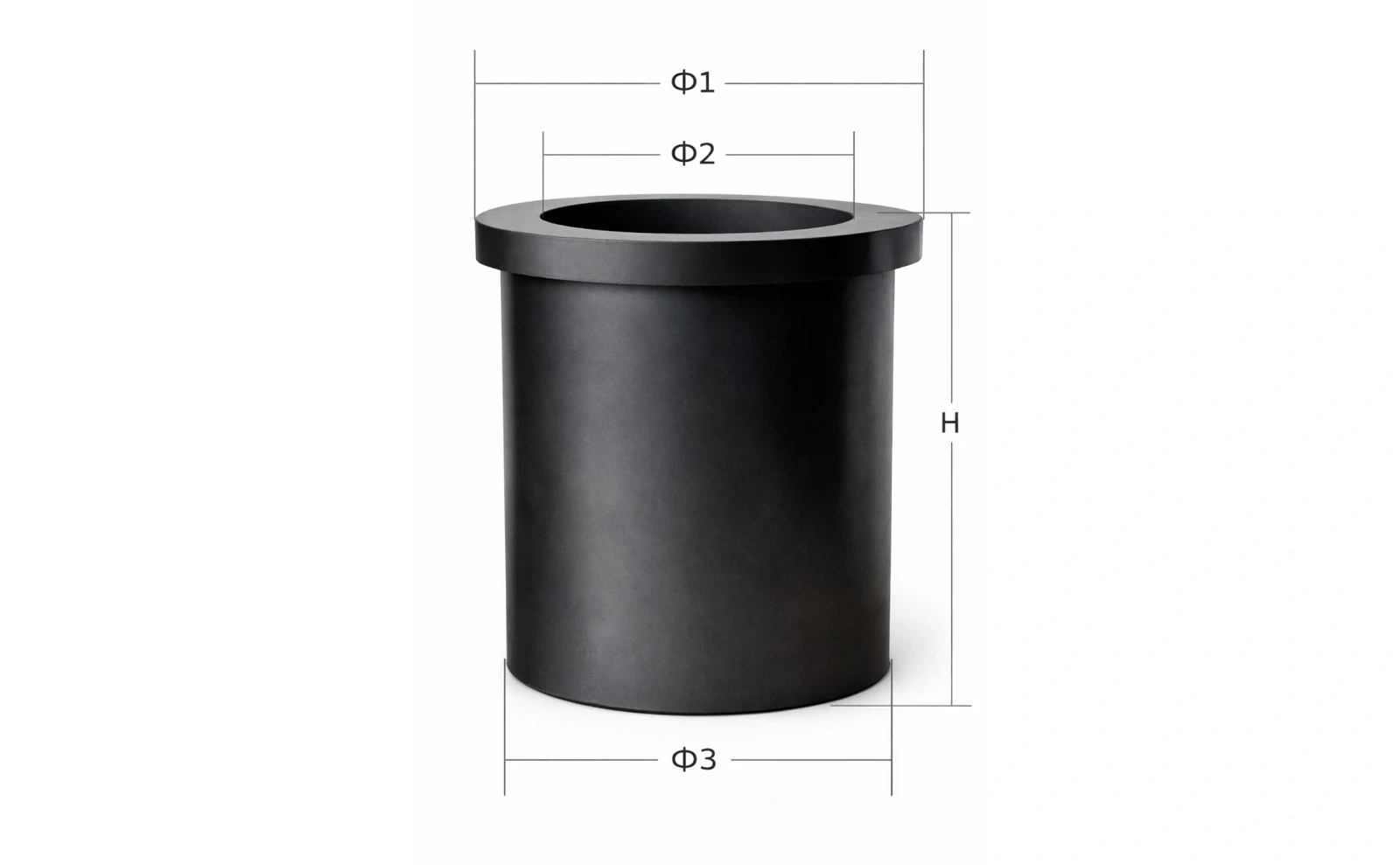
≤ 20 ppm ash (high purity ≤ 5 ppm) · 3–5 weeks
Graphite Crucible
Fine-grain isostatic graphite crucibles, including porous grades, machined to your drawing in Europe.
View detailsAlso searched as: Pt wire, platinum thermocouple wire, platinum gauze, Pt/Rh wire, platinum electrode wire.