
Sputtering Targets
Copper Sputtering Targets (Cu, 4N5)
Oxygen-free high-purity copper targets for interconnect seed layers and conductive thin films, machined and bonded in Europe.
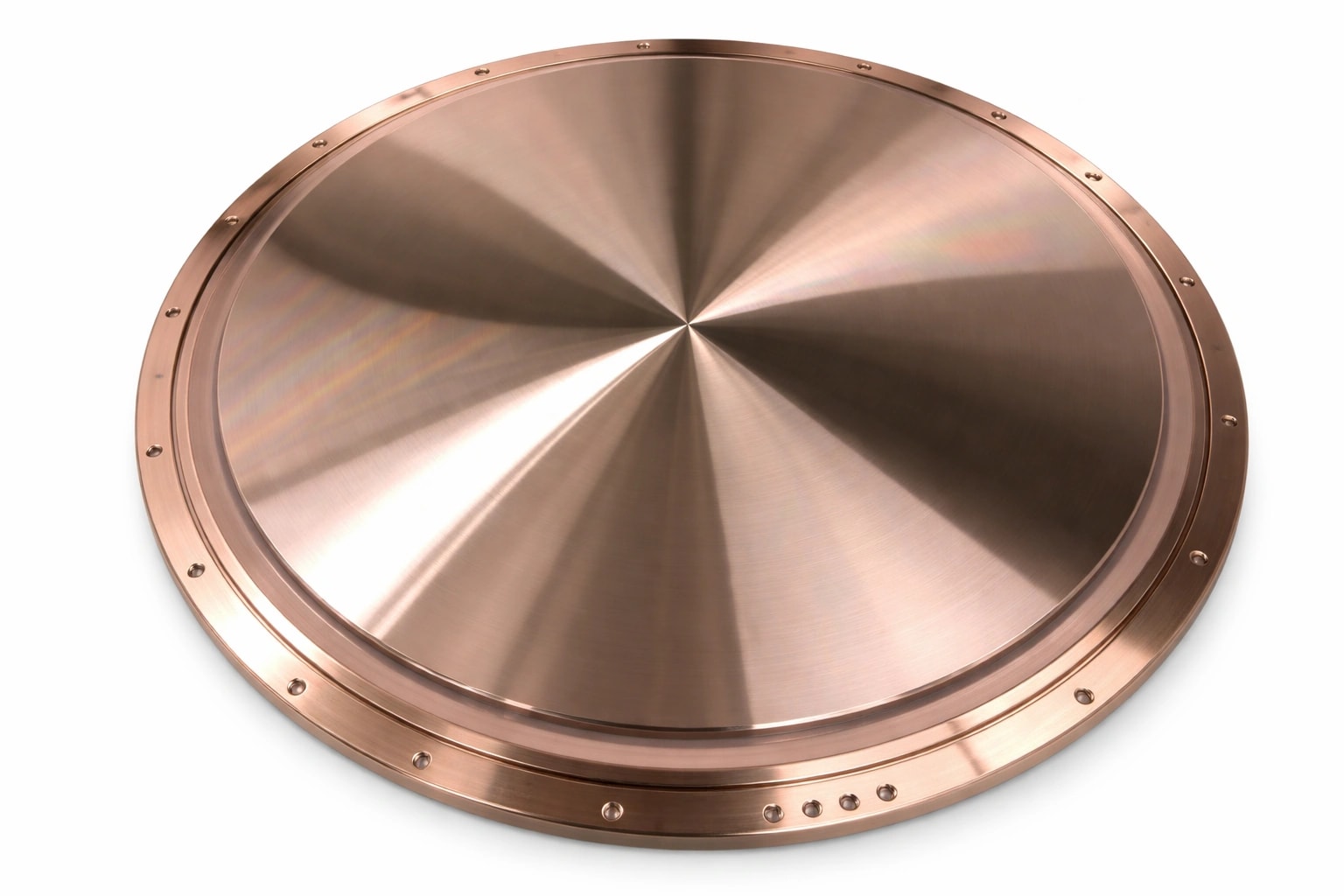
- Purity
- 99.995% (4N5)
- Lead time
- 3–5 weeks
- Qualified in
- Europe
- Documentation
- Certificate of analysis per batch
Purity up to 99.999%
5N material with certificate of analysis
Quote within 24 h
Technical review by materials engineers
Shipped from Europe
Dispatched inside the EU, customs handled at our end
Custom dimensions
Built to your tool and bonding spec
About copper sputtering target
Copper replaced aluminium as the interconnect metal of choice in advanced nodes because of its lower resistivity and superior electromigration resistance. Sputtered copper seed layers are the foundation of the damascene electroplating process used throughout modern logic and memory fabrication.
Seed layer continuity is unforgiving: a target with inclusions or uneven grain structure produces voids that appear as open circuits after plating. We control oxygen content below 5 ppm and hold a tight grain distribution to keep step coverage consistent in high-aspect-ratio features.
Beyond semiconductors, copper targets serve RF and power electronics, printed electronics and decorative coatings where conductivity and colour stability matter.
Copper Sputtering Target specifications
Standard specification below. Anything on this table can be changed — send us your drawing or tool model and we will quote to it.
| Purity | 99.995% (4N5), 99.9999% (6N) on request |
|---|---|
| Form | Planar, rotary, disc, bonded |
| Standard dimensions | Ø50–450 mm, thickness 3–12 mm |
| Oxygen content | < 5 ppm (OFHC grade) |
| Density | ≥ 99.5% of theoretical |
| Application | Cu seed and interconnect layers |
Ordering for a UK site? Sputtering targets delivered to the UK duty paid — customs handled at our end.
Copper material datasheet
Published constants for copper — the numbers you need to set up a run before the material arrives. Print this page for the process folder, or send it to us with your parameters and we will tell you whether the grade we stock suits them.
Chemical identity
| Material | Copper |
|---|---|
| Symbol | Cu |
| CAS number | 7440-50-8 |
| Atomic number | 29 |
| Atomic weight | 63.546 |
| Appearance | Copper, metallic |
Physical and thermal properties
| Theoretical density | 8.92 g/cm³ |
|---|---|
| Melting point | 1,083 °C |
| Thermal conductivity | 400 W/m·K |
| Coefficient of thermal expansion | 16.5 × 10⁻⁶/K |
| Z ratio (QCM) | 0.437 |
Sputtering process data
| Sputter mode | DC |
|---|---|
| Max power density | 200 W/in² |
| Bonding | Indium or elastomer |
| Process notes | Adhesion is poor on most substrates — use a Cr or Ti interlayer. |
Maximum power density is quoted for unbonded targets and is material specific. Bonded targets should be run at 20 W/in² or lower to avoid bond failure.
Values above are published material constants for process planning and can vary with grade, microstructure and measurement method. They are not a supply specification — what we guarantee on your order is the specification table above and the certificate of analysis shipped with it.
Source: Kurt J. Lesker Company, deposition materials data. CAS numbers from the public chemical registry entry for each element.
Applications
Damascene seed layers
Continuous copper seed films inside high-aspect-ratio trenches and vias, enabling void-free electroplated interconnect.
RF and power electronics
Low-loss conductive layers for RF front-end components, power modules and heat-spreading structures.
Printed and flexible electronics
Conductive tracks on polymer substrates deposited by rotary magnetron sputtering.
Decorative and functional coatings
Copper and copper-alloy films where colour, conductivity or antimicrobial behaviour is required.
What we can change for you
- OFHC copper to 4N5, 5N or 6N depending on how sensitive your process is to trace metals.
- Rotary targets in custom lengths for inline and roll-to-roll coaters.
- Bonding to Cu, Mo or stainless backing plates with ultrasonic bond verification.
- CuMn, CuAl and other alloy compositions to order.
Technical notes
Oxygen-free processing keeps oxide inclusions out of the film and suppresses arcing.
Fine, equiaxed grain structure delivers a stable rate and even erosion across target life.
High density reduces particle generation, protecting yield on sensitive wafer lines.
Copper Sputtering Target — questions we get asked
Why does oxygen content matter in a copper sputtering target?
Dissolved oxygen forms copper-oxide inclusions that sputter at a different rate than the surrounding metal. These cause arcing, particle generation and local film-thickness variation — all of which show up as defects in a seed layer. We specify OFHC material below 5 ppm oxygen for this reason.
What is the difference between 4N5 and 6N copper targets?
4N5 (99.995%) is standard for most conductive film applications. 6N (99.9999%) is specified for advanced-node semiconductor work where trace metals such as Fe, Ni and Ag degrade electromigration performance. 6N costs substantially more and has a longer lead time, so it is worth confirming your process actually requires it.
Can you supply copper rotary targets for inline coaters?
Yes. We supply rotary copper targets in custom lengths, either monolithic or bonded to a backing tube. Give us the tube dimensions, end-block type and coater model and we will confirm the configuration.
Do you accept used copper targets for recycling?
Yes. Spent copper targets and bonded assemblies are accepted for material recovery, and we can credit the recovered value against a new order. See our recyclable materials page for the full process.
Request a quote for copper sputtering target
Send your specification and a materials engineer will price it — not a sales form auto-reply. Quotes for copper sputtering target are returned within 24 hours.
Drawings, STEP files and photographs can be attached to the form. Prefer to talk it through? Leave a phone number and ask for a call.
What to include
- Purity grade — 99.995% (4N5) is standard
- Dimensions, tolerances or a drawing
- Quantity and required delivery date
No drawing? Send photographs of the worn part — we can work from that.
Related materials
Often specified alongside this product by the same customers.
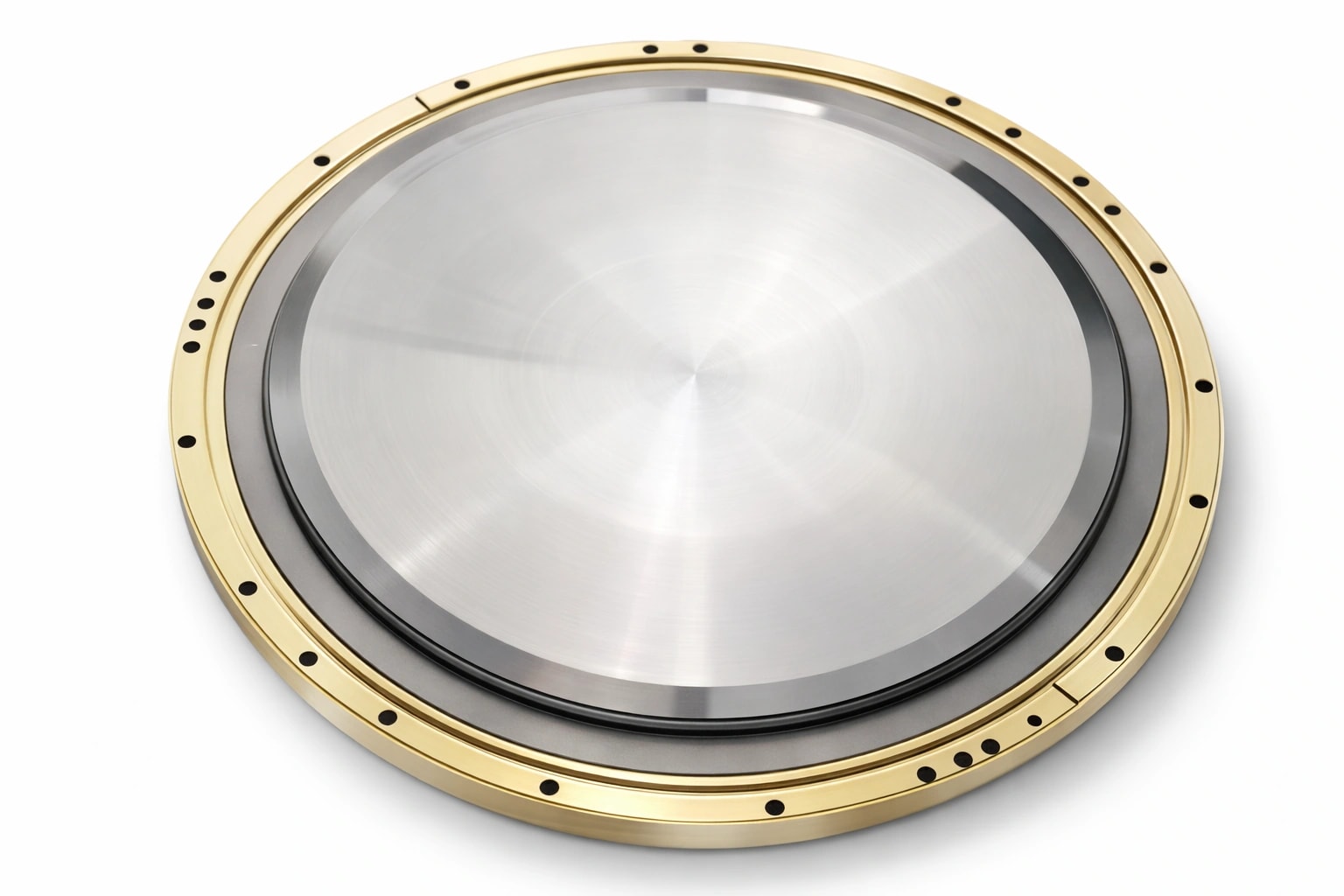
99.995% (4N5) · 3–5 weeks
Aluminium Sputtering Target
High-purity aluminium targets for semiconductor metallisation — supplied to your tool geometry with a certificate of analysis on every lot.
View details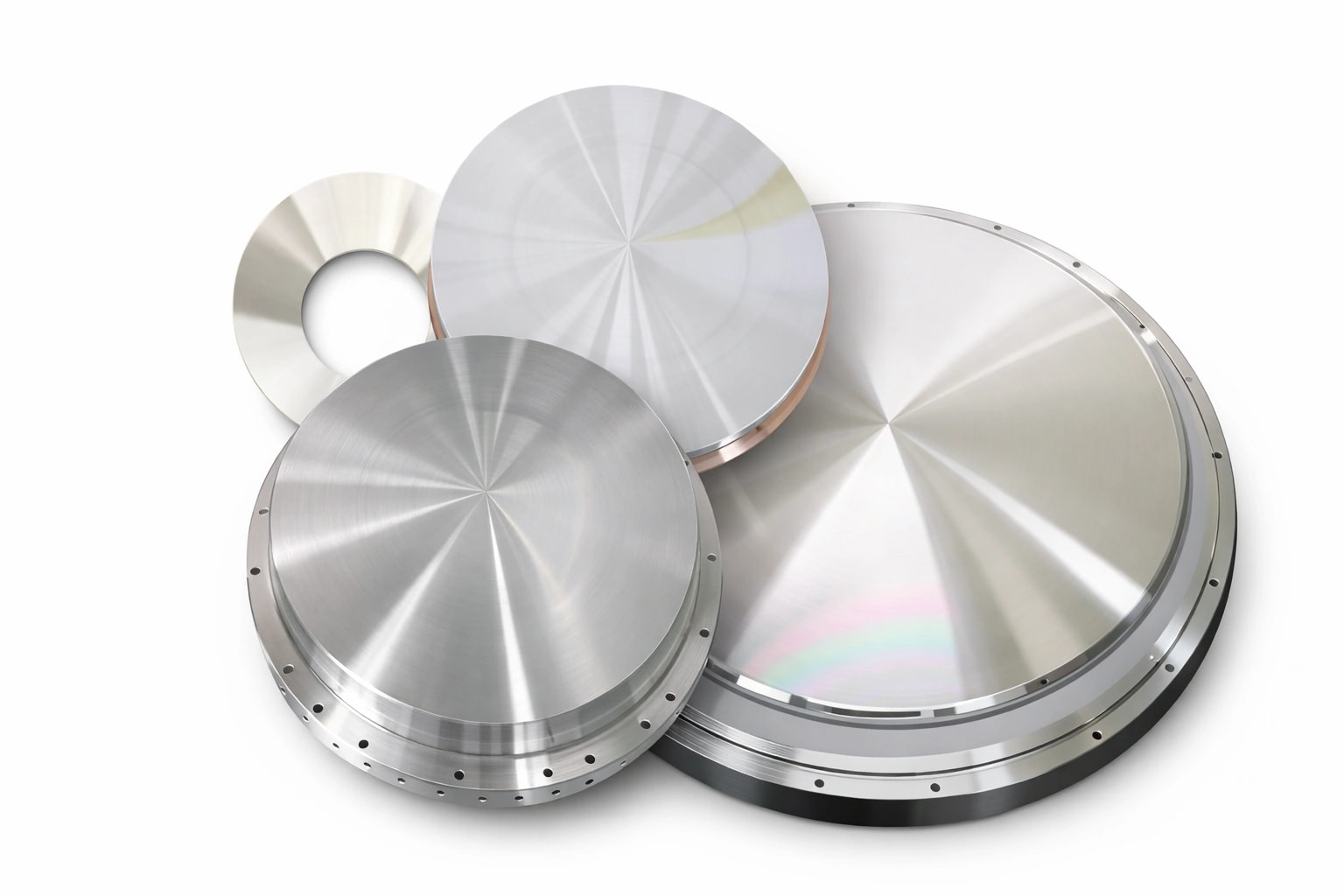
99.995% (4N5) · 4–6 weeks
Titanium Sputtering Target
Low-oxygen titanium targets for barrier, adhesion and TiN hard-coating processes, supplied to your cathode geometry.
View details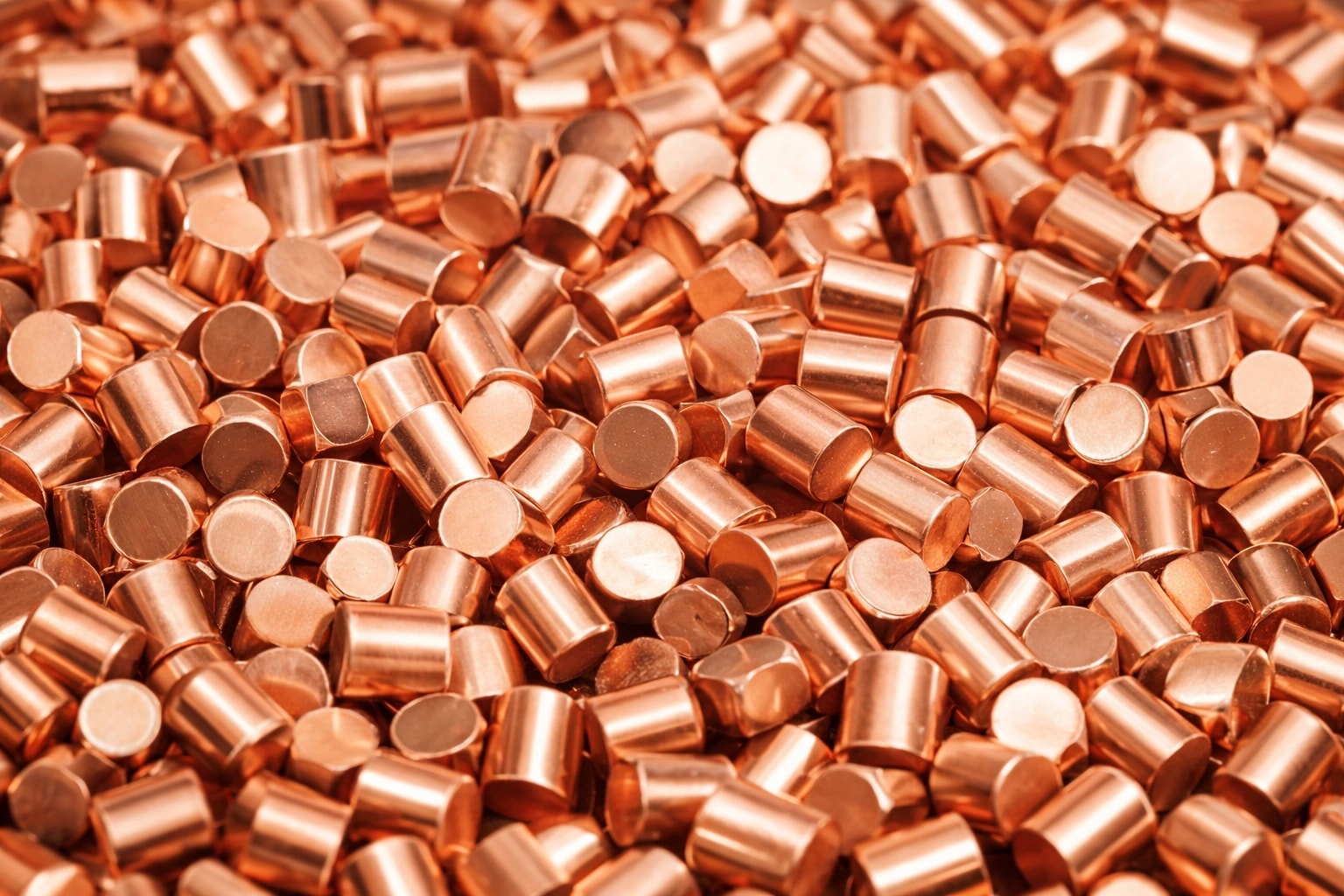
99.995% (4N5) · 2–3 weeks
Copper Evaporation Pellets
Oxygen-free copper pellets for conductive and seed-layer evaporation, cleaned and vacuum packed for a stable rate.
View detailsAlso searched as: Cu sputtering target, copper sputter target, OFHC copper target, copper PVD target.