
Evaporation Materials
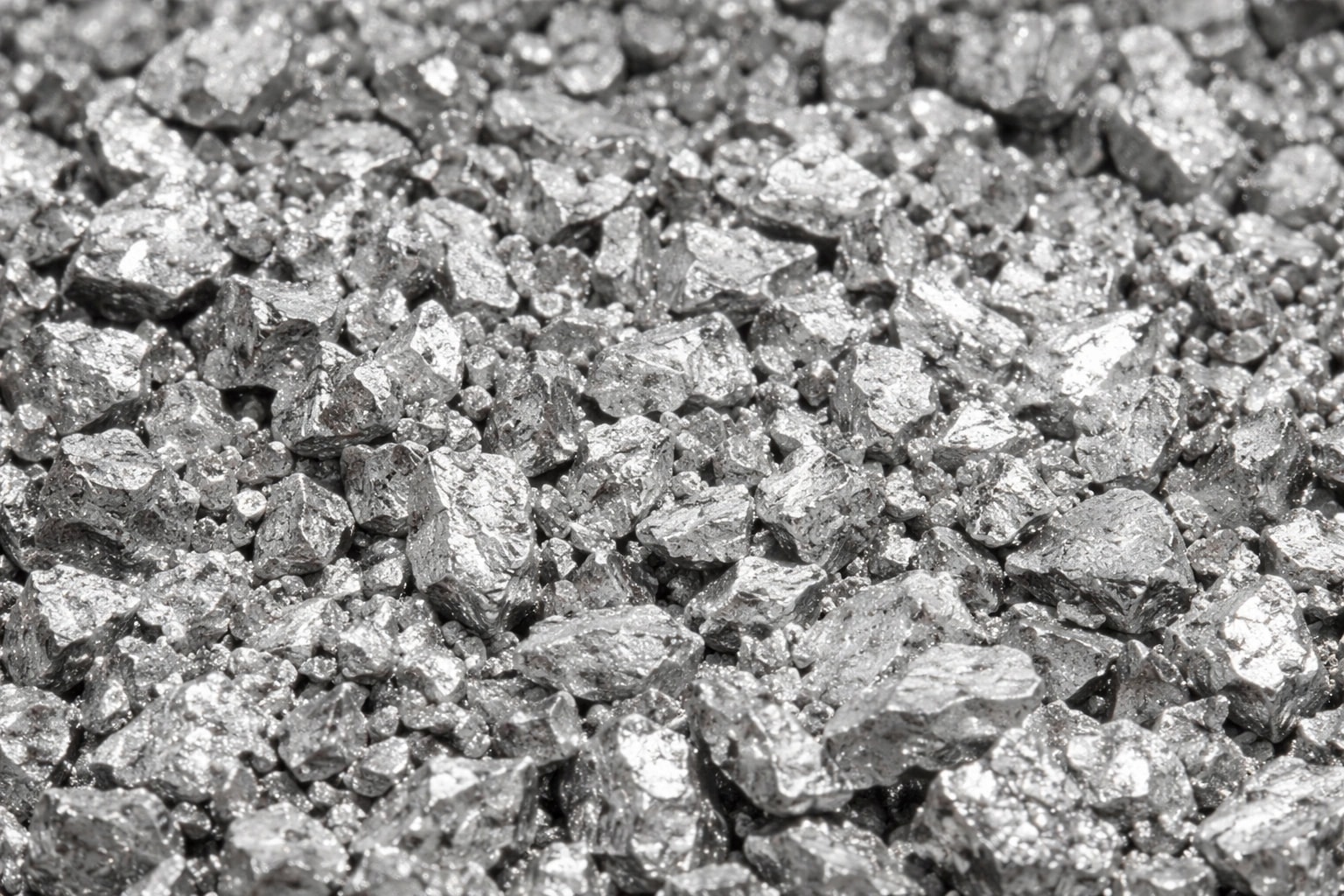
Chromium Evaporation Shot (Cr, 4N)
High-purity chromium shot for adhesion layers, photomask blanks and decorative hard coatings.
- Purity
- 99.99% (4N)
- Lead time
- 2–4 weeks
- Qualified in
- Europe
- Documentation
- Certificate of analysis per batch
Purity up to 99.999%
5N material with certificate of analysis
Quote within 24 h
Technical review by materials engineers
Shipped from Europe
Dispatched inside the EU, customs handled at our end
Custom dimensions
Built to your tool and bonding spec
About chromium evaporation shot
Chromium is the other standard adhesion layer alongside titanium, and the preferred one where the top metal is gold: Cr/Au is the classic stack in microfabrication, photonics and MEMS. It is also the absorber layer on photomask blanks.
Chromium sublimes rather than melts at practical vacuum pressures, passing directly from solid to vapour at around 1200 °C — well below its 1907 °C melting point. This is convenient in that no molten pool forms and no crucible reaction occurs, but it means rate control depends on the solid surface area, which changes as the charge is consumed.
Because of the sublimation behaviour, baffled box sources and chromium-plated tungsten rods are common alternatives to loose shot, giving a more constant emitting area through the run.
Chromium Evaporation Shot specifications
Standard specification below. Anything on this table can be changed — send us your drawing or tool model and we will quote to it.
| Purity | 99.99% (4N), 99.95% (3N5) standard grade |
|---|---|
| Form | Shot, corn, pellets, plated rod |
| Shot size | Ø2–8 mm |
| Sublimation point | ~1200 °C (sublimes below its 1907 °C melting point) |
| Oxygen content | < 200 ppm |
| Typical source | Tungsten boat, baffled box source, e-beam |
Chromium material datasheet
Published constants for chromium — the numbers you need to set up a run before the material arrives. Print this page for the process folder, or send it to us with your parameters and we will tell you whether the grade we stock suits them.
Chemical identity
| Material | Chromium |
|---|---|
| Symbol | Cr |
| CAS number | 7440-47-3 |
| Atomic number | 24 |
| Atomic weight | 51.9961 |
| Appearance | Silvery, metallic |
Physical and thermal properties
| Theoretical density | 7.2 g/cm³ |
|---|---|
| Melting point | 1,857 °C |
| Thermal conductivity | 94 W/m·K |
| Coefficient of thermal expansion | 4.9 × 10⁻⁶/K |
| Z ratio (QCM) | 0.305 |
Evaporation process data
| E-beam | Good |
|---|---|
| Thermal evaporation techniques | Boat: Cr-plated W rods · Coil: W · Basket: W · Crucible: vitreous carbon |
| E-beam crucible liner | FABMATE®, graphite, tungsten |
| Temperature at 10⁻⁸ Torr | 837 °C |
| Temperature at 10⁻⁶ Torr | 977 °C |
| Temperature at 10⁻⁴ Torr | 1,157 °C |
| Suggested QCM crystal | Alloy |
| Process notes | Films very adherent. High rates possible. Sublimes below its melting point. |
Values above are published material constants for process planning and can vary with grade, microstructure and measurement method. They are not a supply specification — what we guarantee on your order is the specification table above and the certificate of analysis shipped with it.
Source: Kurt J. Lesker Company, deposition materials data. CAS numbers from the public chemical registry entry for each element.
Applications
Adhesion layers under gold
The standard Cr/Au stack in microfabrication, photonics and MEMS, typically 5–15 nm of chromium.
Photomask blanks
Chromium absorber layers on quartz photomask substrates for photolithography.
Decorative and hard coatings
Chrome-look finishes and CrN wear coatings on tooling and consumer hardware.
Optical blocking layers
Opaque chromium films in optical apertures, reticles and encoder scales.
What we can change for you
- Shot, corn, pellets or chromium-plated tungsten rods depending on your source type.
- 4N high purity for photomask and semiconductor work, 3N5 for decorative coating.
- Shot sizes from Ø2 to Ø8 mm.
- Vacuum packaging to limit oxide formation.
Technical notes
Sublimation below the melting point means no molten pool and no crucible reaction.
Low oxygen content keeps films dense and the rate predictable.
Consistent piece size keeps the emitting surface area — and therefore rate — stable.
Chromium Evaporation Shot — questions we get asked
Why does chromium sublime instead of melting?
Chromium has an unusually high vapour pressure relative to its melting point. At typical vacuum-coating pressures it reaches a useful evaporation rate at around 1200 °C, several hundred degrees below the 1907 °C melting point, so it passes directly from solid to vapour. In practice this means no molten pool forms in your source.
Should I use chromium or titanium as an adhesion layer?
Chromium adheres better under gold and is the traditional choice for Cr/Au stacks. Titanium is preferred under copper and aluminium, and in semiconductor fabs where chromium is often restricted as a contaminant. If your fab bans chromium — many do — use titanium.
How do I get a stable chromium deposition rate?
Because chromium sublimes from a solid surface, rate depends on emitting area, which shrinks as the charge is consumed. A baffled box source or a chromium-plated tungsten rod holds a more constant area than loose shot and gives markedly better rate stability for thickness-critical work.
What is the difference between chromium shot and chromium corn?
Corn is a larger, irregular granular form; shot is smaller and more spherical. Corn gives a longer run before recharging and suits box sources; shot packs more evenly and suits smaller boats and pockets. Both are the same material — pick by source geometry.
Request a quote for chromium evaporation shot
Send your specification and a materials engineer will price it — not a sales form auto-reply. Quotes for chromium evaporation shot are returned within 24 hours.
Drawings, STEP files and photographs can be attached to the form. Prefer to talk it through? Leave a phone number and ask for a call.
What to include
- Purity grade — 99.99% (4N) is standard
- Dimensions, tolerances or a drawing
- Quantity and required delivery date
No drawing? Send photographs of the worn part — we can work from that.
Related materials
Often specified alongside this product by the same customers.
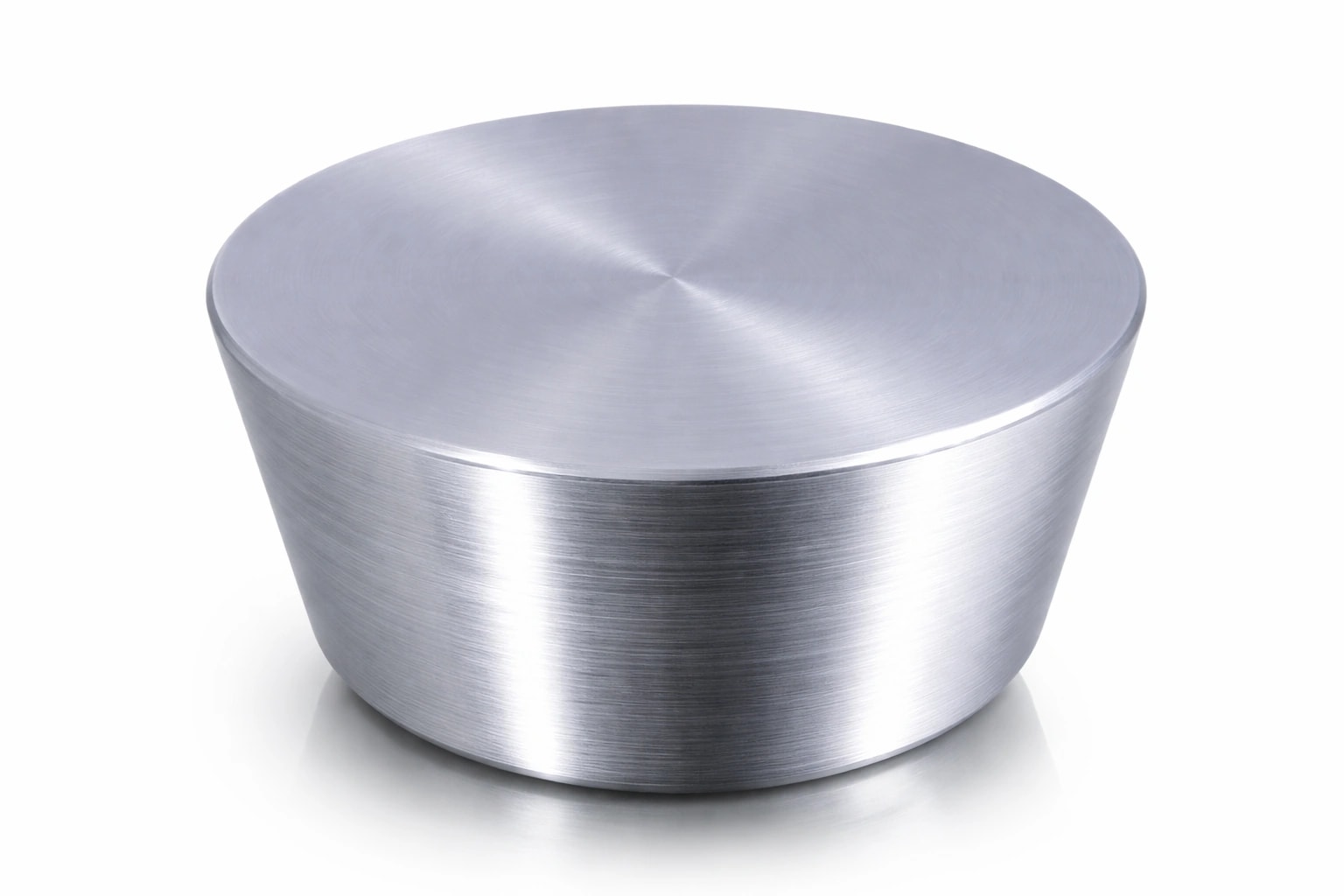
99.99% (4N) · 2–4 weeks
Chromium Evaporation Corn
Coarse granular chromium for baffled box sources — a larger charge and fewer chamber openings on long production runs.
View details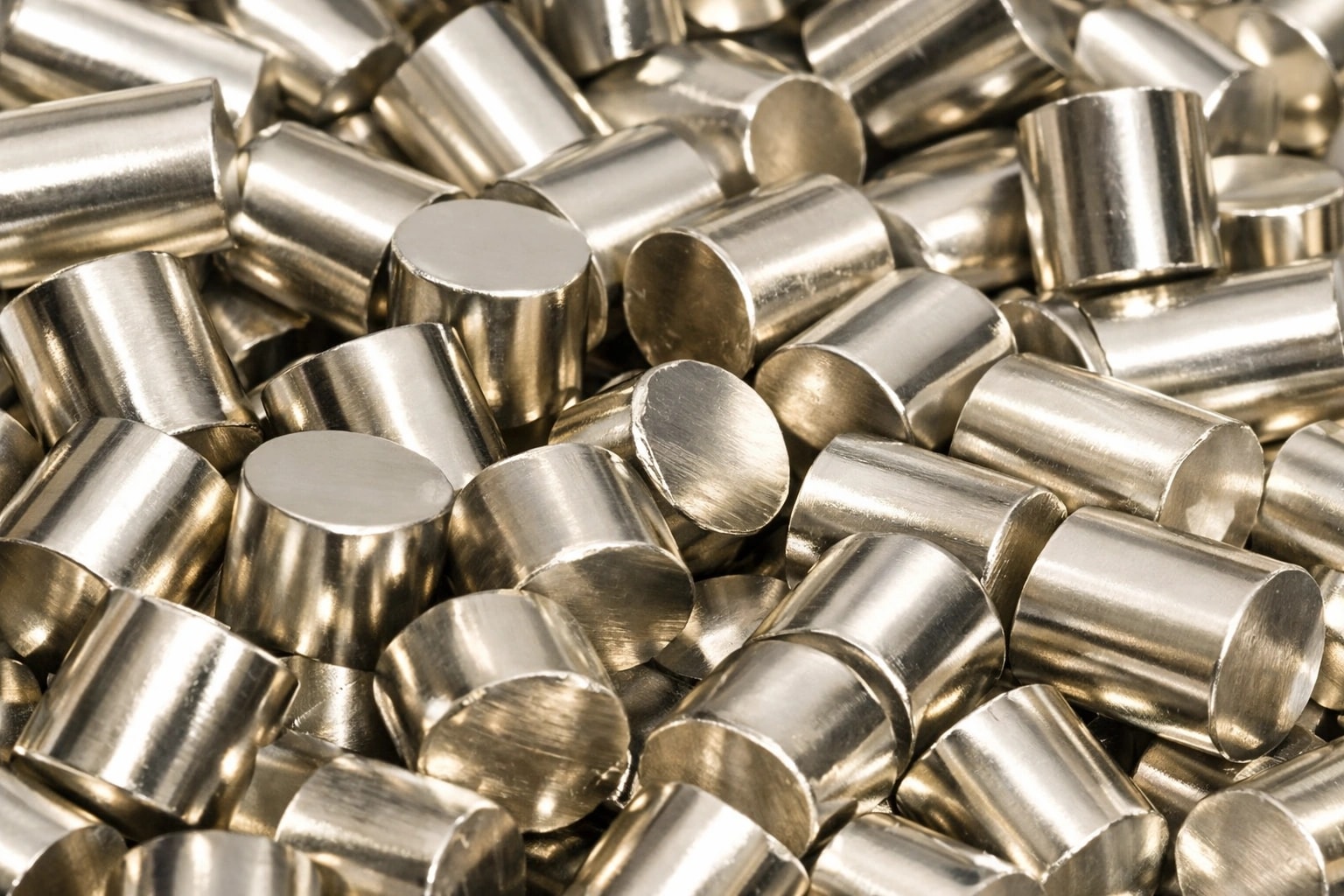
99.95% (3N5) / 99.995% (4N5) · 3–4 weeks
Nickel Evaporation Pellets
High-purity nickel pellets for magnetic thin films, under-bump metallisation and corrosion barrier layers.
View details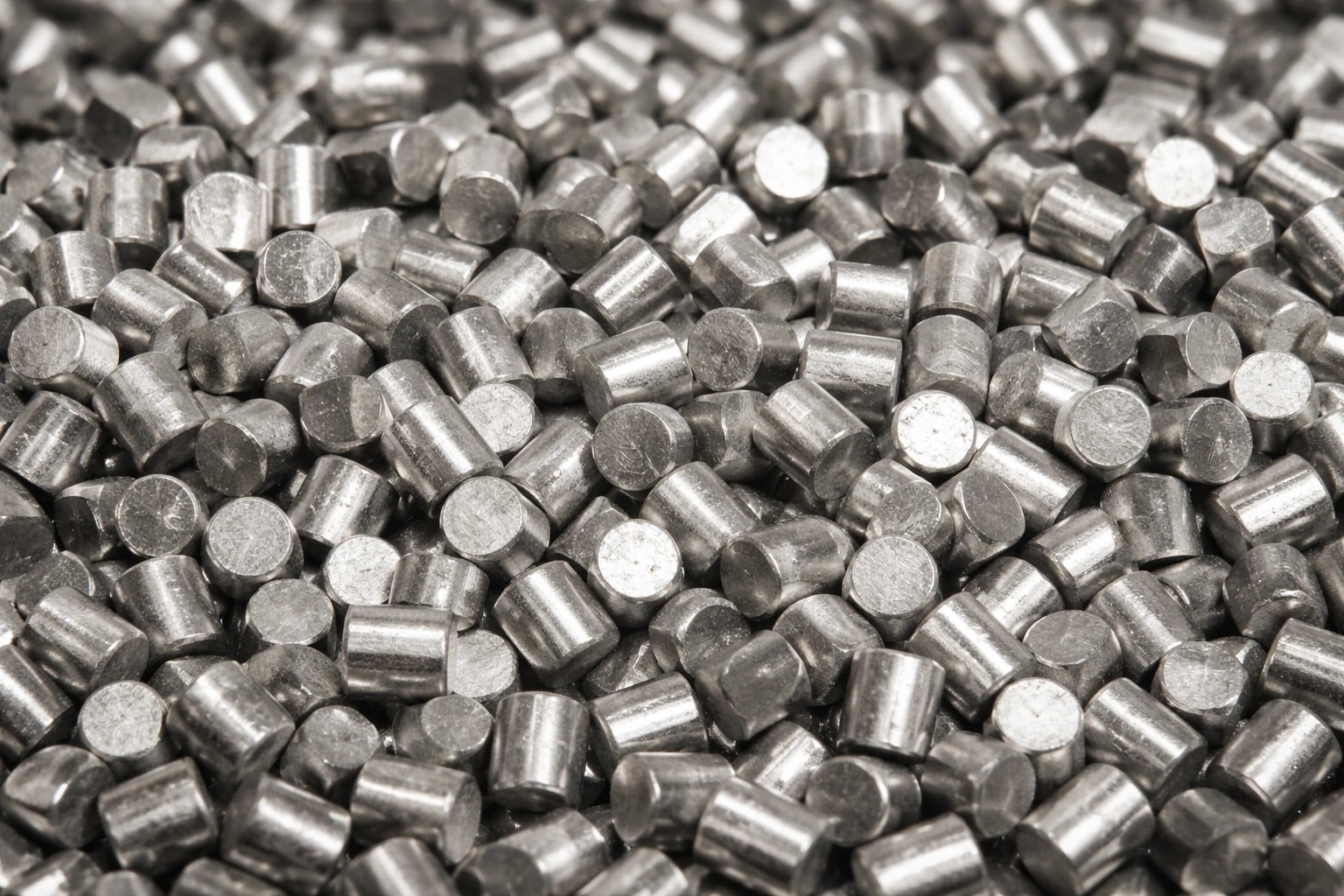
99.995% (4N5) · 3–4 weeks
Titanium Evaporation Pellets
Low-oxygen titanium pellets for adhesion layers, barrier films and titanium sublimation pumping.
View detailsAlso searched as: Cr shot, chromium evaporation material, chrome evaporation pellets, Cr sublimation source.