
Evaporation Materials
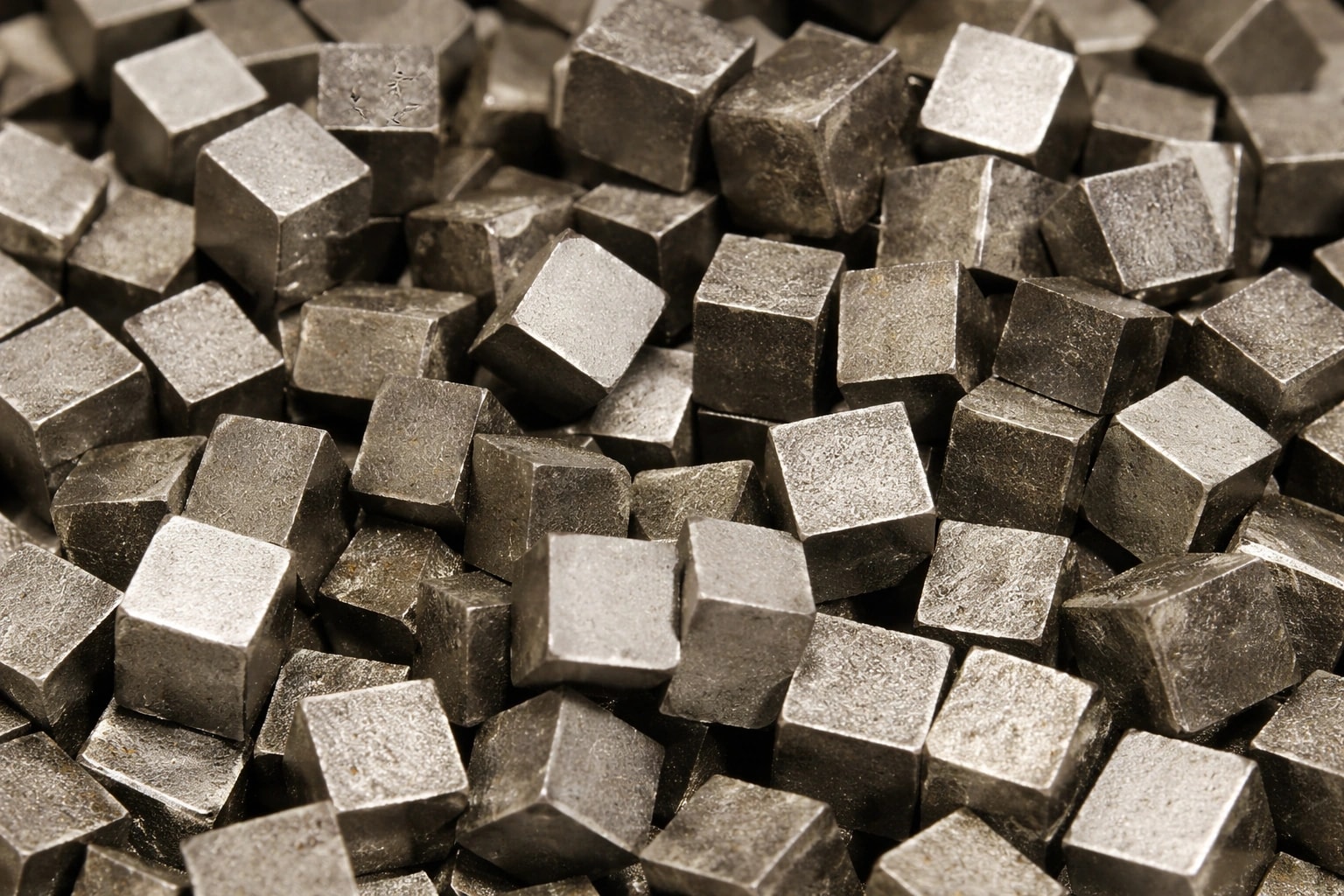
Cobalt Evaporation Shot & Pellets (Co, 4N5)
High-purity cobalt shot for magnetic recording, spintronic and silicide layers, with tightly controlled Ni and Fe content.
- Purity
- 99.995% (4N5)
- Lead time
- 3–5 weeks
- Qualified in
- Europe
- Documentation
- Certificate of analysis per batch
Purity up to 99.999%
5N material with certificate of analysis
Quote within 24 h
Technical review by materials engineers
Shipped from Europe
Dispatched inside the EU, customs handled at our end
Custom dimensions
Built to your tool and bonding spec
About cobalt evaporation shot
Cobalt is central to magnetic thin-film technology. CoCrPt alloys form the recording layer in hard disk media; CoFeB is the free layer in magnetic tunnel junctions; cobalt silicide provides low-resistance contacts in advanced CMOS nodes.
Nickel is the impurity that matters most. Cobalt and nickel occur together in ore and are chemically similar, so nickel is the hardest element to remove — and even small residual amounts shift the coercivity and anisotropy of a magnetic film. We specify below 20 ppm nickel in our 4N5 grade.
Shot form suits e-beam evaporation well: it packs into the pocket with good thermal contact and melts evenly, and the individual pieces are small enough to top up a pocket precisely.
Cobalt Evaporation Shot specifications
Standard specification below. Anything on this table can be changed — send us your drawing or tool model and we will quote to it.
| Purity | 99.995% (4N5), 99.99% (4N) standard grade |
|---|---|
| Form | Shot, pellets, slugs |
| Shot size | Ø2–8 mm |
| Nickel content | < 20 ppm |
| Melting point | 1495 °C |
| Typical source | E-beam pocket with liner |
Cobalt material datasheet
Published constants for cobalt — the numbers you need to set up a run before the material arrives. Print this page for the process folder, or send it to us with your parameters and we will tell you whether the grade we stock suits them.
Chemical identity
| Material | Cobalt |
|---|---|
| Symbol | Co |
| CAS number | 7440-48-4 |
| Atomic number | 27 |
| Atomic weight | 58.933195 |
| Appearance | Lustrous metallic, greyish tinge |
Physical and thermal properties
| Theoretical density | 8.9 g/cm³ |
|---|---|
| Melting point | 1,495 °C |
| Thermal conductivity | 100 W/m·K |
| Coefficient of thermal expansion | 13.0 × 10⁻⁶/K |
| Z ratio (QCM) | 0.343 |
| Magnetic behaviour | Ferromagnetic |
Evaporation process data
| E-beam | Excellent |
|---|---|
| Thermal evaporation techniques | Boat: W, Nb · Basket: W · Crucible: Al₂O₃ |
| E-beam crucible liner | Direct in hearth |
| Temperature at 10⁻⁸ Torr | 850 °C |
| Temperature at 10⁻⁶ Torr | 990 °C |
| Temperature at 10⁻⁴ Torr | 1,200 °C |
| Suggested QCM crystal | Silver |
| Process notes | Alloys with W, Ta and Mo. |
Cobalt is ferromagnetic. Plan for a sputter source designed for magnetic materials if you are moving the shot into a target format.
Values above are published material constants for process planning and can vary with grade, microstructure and measurement method. They are not a supply specification — what we guarantee on your order is the specification table above and the certificate of analysis shipped with it.
Source: Kurt J. Lesker Company, deposition materials data. CAS numbers from the public chemical registry entry for each element.
Applications
Magnetic recording media
CoCrPt and CoCrPtB recording layers in hard disk drives, where grain structure sets areal density.
Spintronic devices
CoFeB free and reference layers in magnetic tunnel junctions for MRAM and magnetic sensors.
Silicide contacts
Cobalt silicide formation for low-resistance source, drain and gate contacts.
Hard and wear coatings
Cobalt-bonded coatings and cemented carbide applications.
What we can change for you
- 4N5 high purity with nickel below 20 ppm, or 4N standard grade for less sensitive work.
- Pre-alloyed CoCr, CoFe, CoFeB and CoCrPt compositions to your specified ratio.
- Shot sizes from Ø2 to Ø8 mm to suit your pocket volume.
- Vacuum packaging to keep the surface clean.
Technical notes
Nickel below 20 ppm keeps coercivity and anisotropy consistent from lot to lot.
Shot form gives even melting and good thermal contact in e-beam pockets.
Low oxygen and carbon content protects magnetic film performance.
Cobalt Evaporation Shot — questions we get asked
Why is nickel content so critical in cobalt for magnetic films?
Cobalt and nickel are chemically similar and occur together in ore, so nickel is the most persistent impurity in refined cobalt. It also happens to be magnetically active: residual nickel shifts coercivity and magnetic anisotropy, which directly affects recording media performance and MTJ switching behaviour. Below 20 ppm the effect is negligible for most processes.
Should I use cobalt shot or pellets?
Shot packs more densely in an e-beam pocket, gives better thermal contact and melts more evenly. Pellets are easier to weigh precisely for a fixed charge. For routine e-beam work, shot is usually the better choice; for tightly controlled single-charge runs, pellets.
Do you supply pre-alloyed CoFeB?
Yes, to your specified composition. Co-evaporating three elements to a controlled ratio is impractical — vapour pressures differ too much and the composition drifts through the run. Pre-alloyed material is the only reliable route for CoFeB and CoCrPt.
Is cobalt subject to conflict-minerals reporting?
Cobalt is not one of the four 3TG conflict minerals under the US Dodd-Frank rule, but it is covered by the EU Battery Regulation's due-diligence requirements and by most customers' responsible-sourcing policies. We can supply supply-chain documentation on request.
Request a quote for cobalt evaporation shot
Send your specification and a materials engineer will price it — not a sales form auto-reply. Quotes for cobalt evaporation shot are returned within 24 hours.
Drawings, STEP files and photographs can be attached to the form. Prefer to talk it through? Leave a phone number and ask for a call.
What to include
- Purity grade — 99.995% (4N5) is standard
- Dimensions, tolerances or a drawing
- Quantity and required delivery date
No drawing? Send photographs of the worn part — we can work from that.
Related materials
Often specified alongside this product by the same customers.
99.95% (3N5) / 99.995% (4N5) · 3–4 weeks
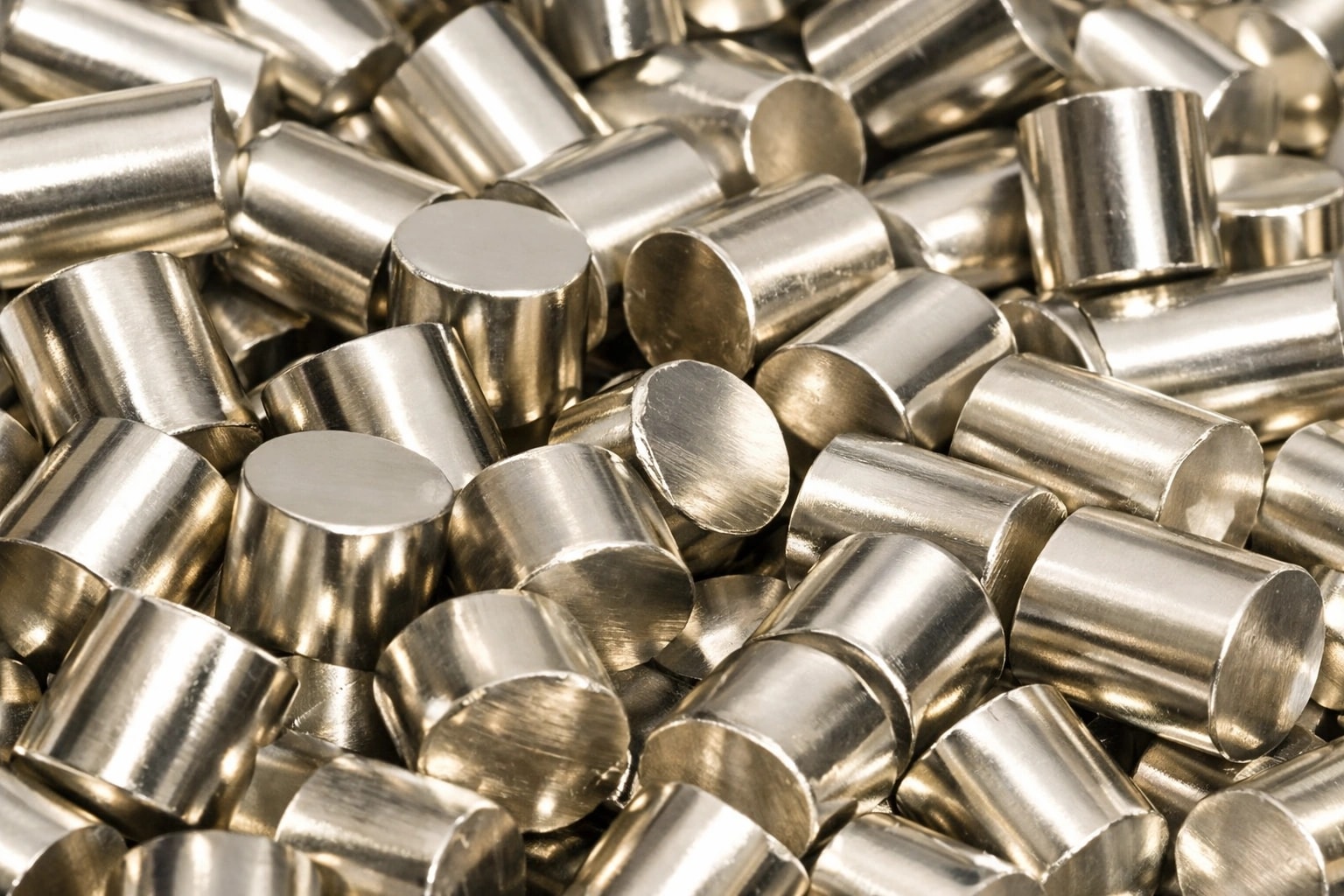
Nickel Evaporation Pellets
High-purity nickel pellets for magnetic thin films, under-bump metallisation and corrosion barrier layers.
View details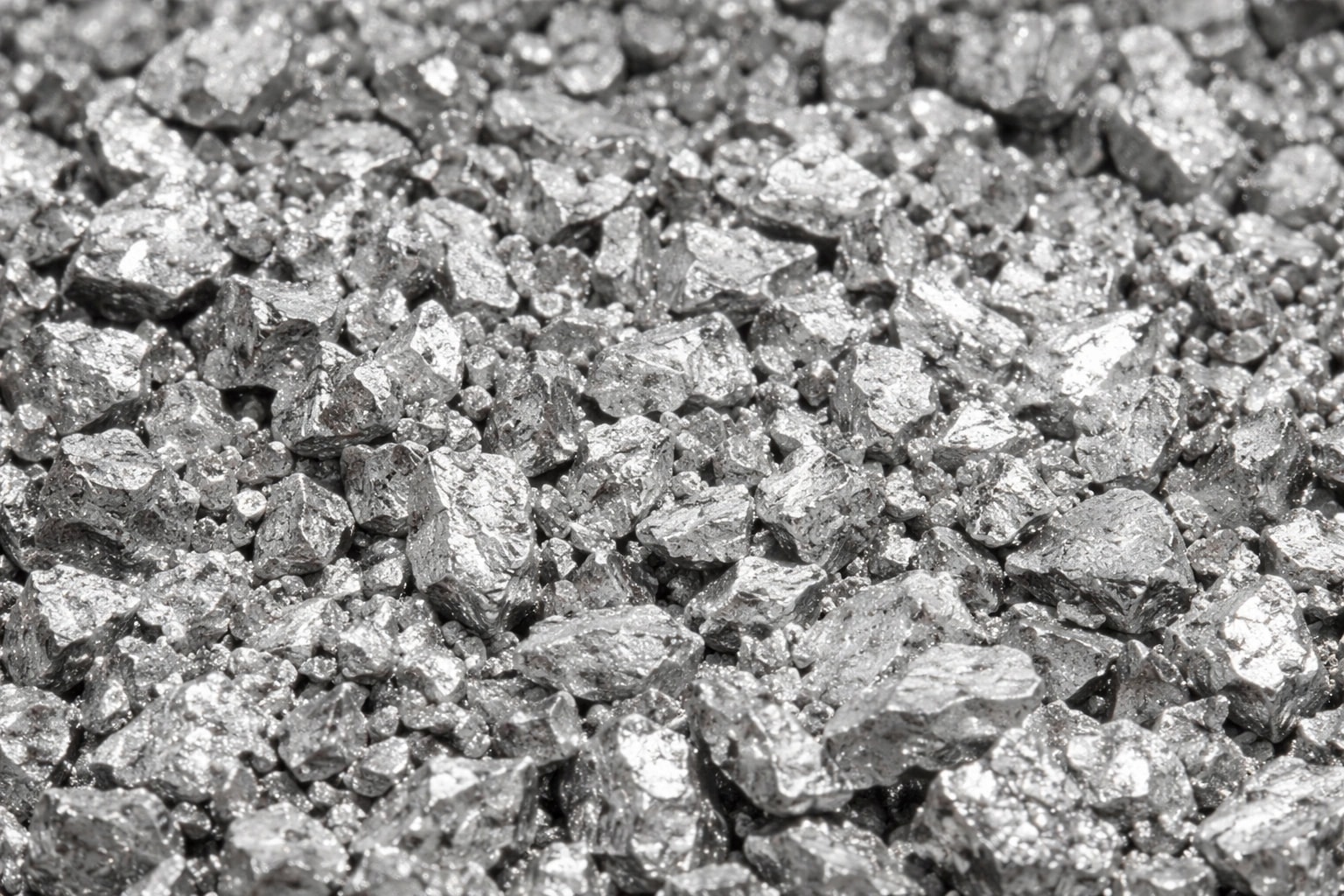
99.99% (4N) · 2–4 weeks
Chromium Evaporation Shot
High-purity chromium shot for adhesion layers, photomask blanks and decorative hard coatings.
View details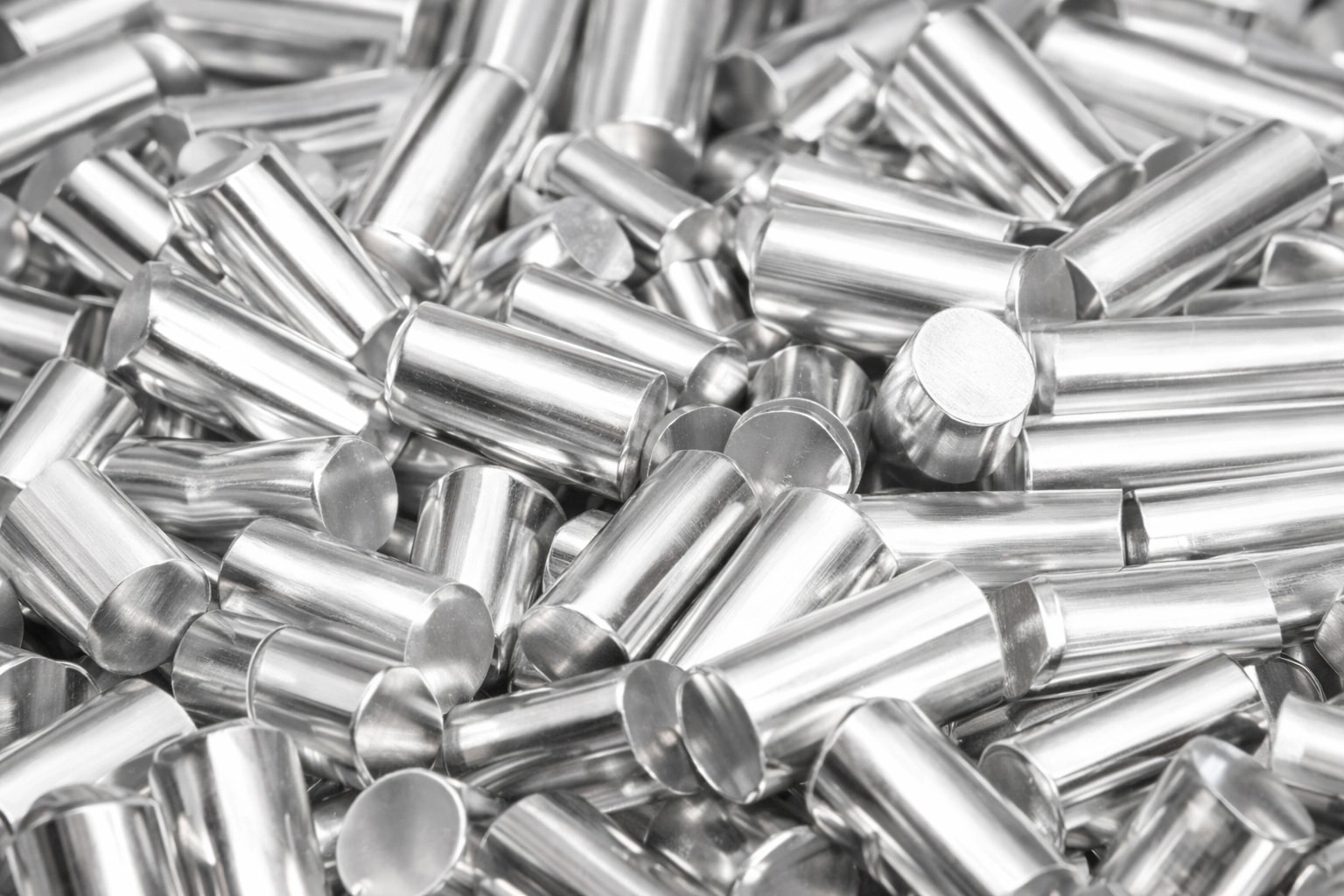
99.995% (4N5) · 2–3 weeks
Aluminium Evaporation Pellets
Clean, oxide-free aluminium pellets sized for e-beam crucibles and tungsten boats, supplied with a certificate of analysis.
View detailsAlso searched as: Co shot, cobalt pellets, cobalt evaporation material, CoFeB source material.