
Tungsten Components
Tungsten Pin Electrodes & Emitter Points
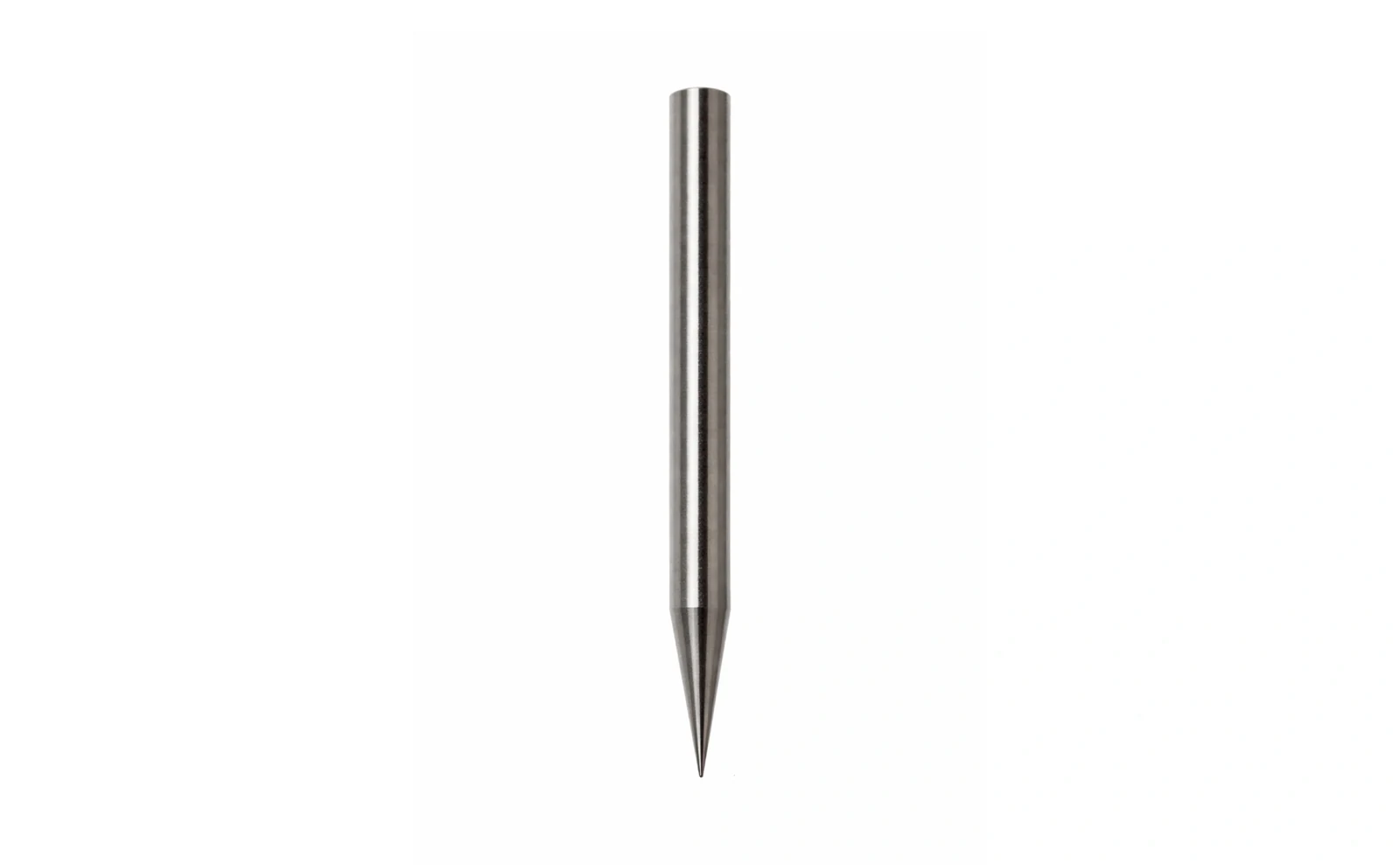
Precision-ground tungsten emitter pins for corona discharge ionizers, where tip geometry sets ionisation performance.
- Purity
- 99.95%
- Lead time
- 3–5 weeks
- Qualified in
- Europe
- Documentation
- Certificate of analysis per batch
Purity up to 99.999%
5N material with certificate of analysis
Quote within 24 h
Technical review by materials engineers
Shipped from Europe
Dispatched inside the EU, customs handled at our end
Custom dimensions
Built to your tool and bonding spec
About tungsten pin electrodes
In a corona discharge ionizer, the electric field concentrates at the emitter tip. Field strength scales inversely with tip radius, so a sharper pin ionises at a lower applied voltage — and a pin that erodes blunt stops working long before it looks worn out.
Tungsten is the standard emitter material because it combines a high melting point with good sputter-erosion resistance under continuous discharge. In cleanroom ionizers it has a second advantage: it does not shed particles the way some alternatives do.
We grind tips to a specified radius, down to 10 µm, and hold that geometry consistently across a batch. For multi-pin ionizer bars, consistency between pins is what keeps ion balance even across the bar.
Tungsten Pin Electrodes specifications
Standard specification below. Anything on this table can be changed — send us your drawing or tool model and we will quote to it.
| Purity | 99.95% W minimum |
|---|---|
| Pin diameter | 0.5–5.0 mm |
| Tip radius | From 10 µm, ground and polished |
| Length | 5–100 mm, customer specified |
| Surface | Ground, electropolished on request |
| Applications | Static ionizers, corona discharge, EDM electrodes |
Tungsten material datasheet
Published constants for tungsten — the numbers you need to set up a run before the material arrives. Print this page for the process folder, or send it to us with your parameters and we will tell you whether the grade we stock suits them.
Chemical identity
| Material | Tungsten |
|---|---|
| Symbol | W |
| CAS number | 7440-33-7 |
| Atomic number | 74 |
| Atomic weight | 183.84 |
| Appearance | Greyish white, lustrous, metallic |
Physical and thermal properties
| Theoretical density | 19.25 g/cm³ |
|---|---|
| Melting point | 3,410 °C |
| Thermal conductivity | 174 W/m·K |
| Coefficient of thermal expansion | 4.5 × 10⁻⁶/K |
| Z ratio (QCM) | 0.163 |
Tungsten has the highest melting point of any metal, which is why it is the default boat, basket and filament material — it stays solid far above the evaporation temperature of the charge it carries.
Values above are published material constants for process planning and can vary with grade, microstructure and measurement method. They are not a supply specification — what we guarantee on your order is the specification table above and the certificate of analysis shipped with it.
Source: Kurt J. Lesker Company, deposition materials data. CAS numbers from the public chemical registry entry for each element.
Applications
Static eliminators and ionizer bars
Emitter points in cleanroom, electronics-assembly and web-handling static control equipment.
Corona discharge treatment
Surface activation of polymer films and webs before printing or coating.
Electrostatic precipitators
Discharge electrodes in air-cleaning and particulate-capture equipment.
EDM and welding electrodes
Tungsten electrode pins for micro-EDM and precision welding.
What we can change for you
- Tip radius ground to your specification, from 10 µm upwards.
- Pin diameters 0.5–5.0 mm, lengths 5–100 mm.
- Threaded, shouldered and knurled mounting features.
- Electropolished finish for cleanroom ionizers where particle shedding is a concern.
Technical notes
Consistent ground tip radius keeps ionisation voltage and ion balance uniform across a multi-pin bar.
High sputter-erosion resistance extends service interval under continuous discharge.
Low particle shedding suits cleanroom and electronics-assembly environments.
Tungsten Pin Electrodes — questions we get asked
Why does tungsten pin tip radius matter in an ionizer?
Electric field strength at the tip scales inversely with tip radius, so a sharper pin produces corona discharge at a lower applied voltage and higher ion output. As pins erode and blunt, ionisation efficiency falls and ion balance drifts — often before the pins look visibly worn, which is why scheduled replacement matters.
How often do emitter pins need replacing?
It depends on duty cycle, current and the contamination in the environment. Cleanroom ionizers running continuously typically go months to a year or two; dirty industrial environments are far shorter. The practical indicator is ion balance drifting out of specification, not visual inspection.
Tungsten or silicon emitter pins?
Silicon emitters shed virtually no particles and are preferred in the most sensitive semiconductor cleanrooms, but they are brittle and expensive. Tungsten is tougher, cheaper and erodes slowly, and is the standard choice for general electronics assembly and industrial use. Electropolished tungsten narrows the particle gap considerably.
Can you make pins to match our existing ionizer bar?
Yes. Send a drawing or a sample pin — we match diameter, length, tip geometry and any mounting features such as threads or shoulders, and hold tip radius consistently across the batch so ion balance stays even.
Request a quote for tungsten pin electrodes
Send your specification and a materials engineer will price it — not a sales form auto-reply. Quotes for tungsten pin electrodes are returned within 24 hours.
Drawings, STEP files and photographs can be attached to the form. Prefer to talk it through? Leave a phone number and ask for a call.
What to include
- Purity grade — 99.95% is standard
- Dimensions, tolerances or a drawing
- Quantity and required delivery date
No drawing? Send photographs of the worn part — we can work from that.
Related materials
Often specified alongside this product by the same customers.
99.95% · 3–5 weeks
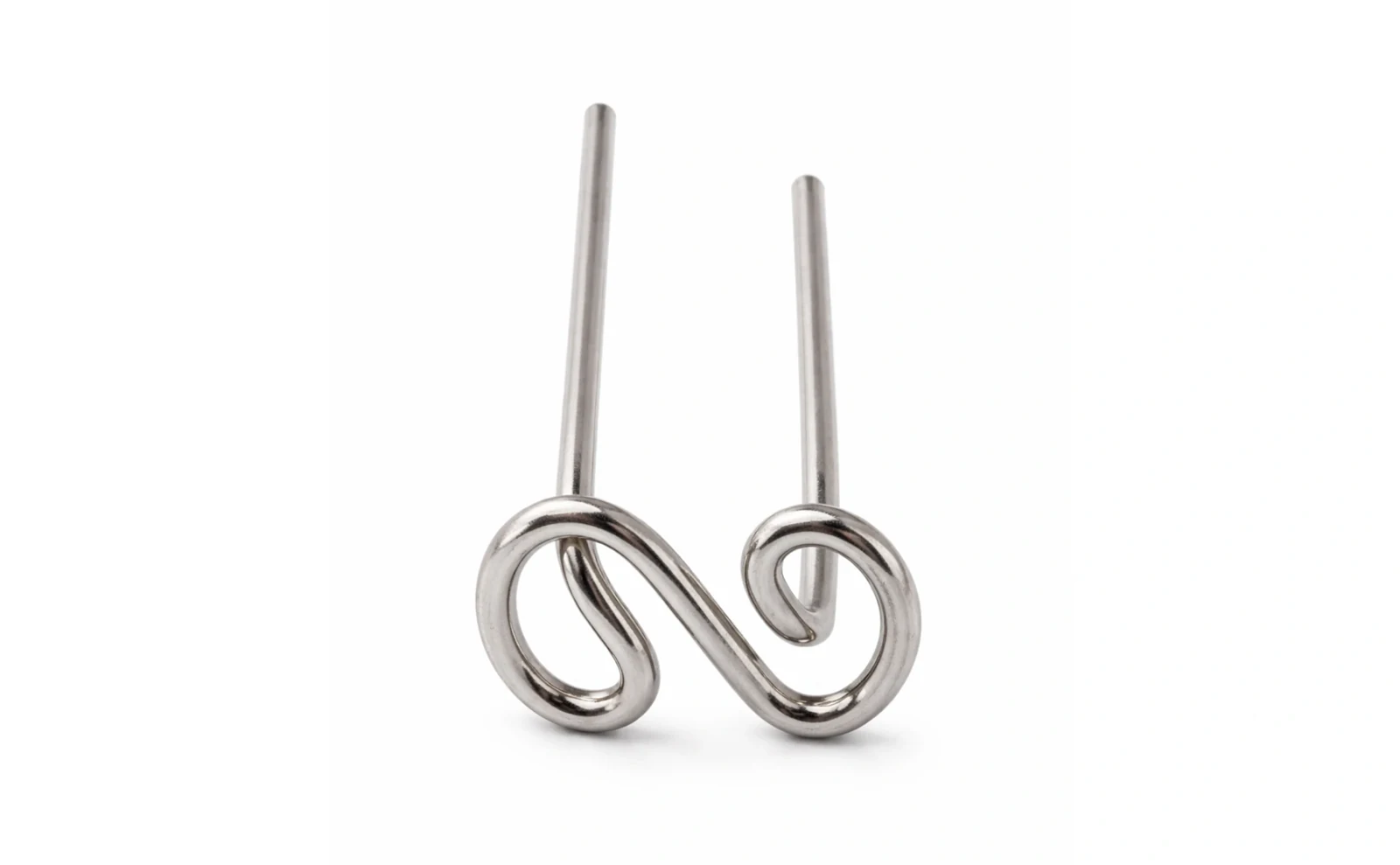
Tungsten Filament
Precision-wound tungsten filaments and coils for ion implanters, electron guns and vacuum furnace heaters.
View details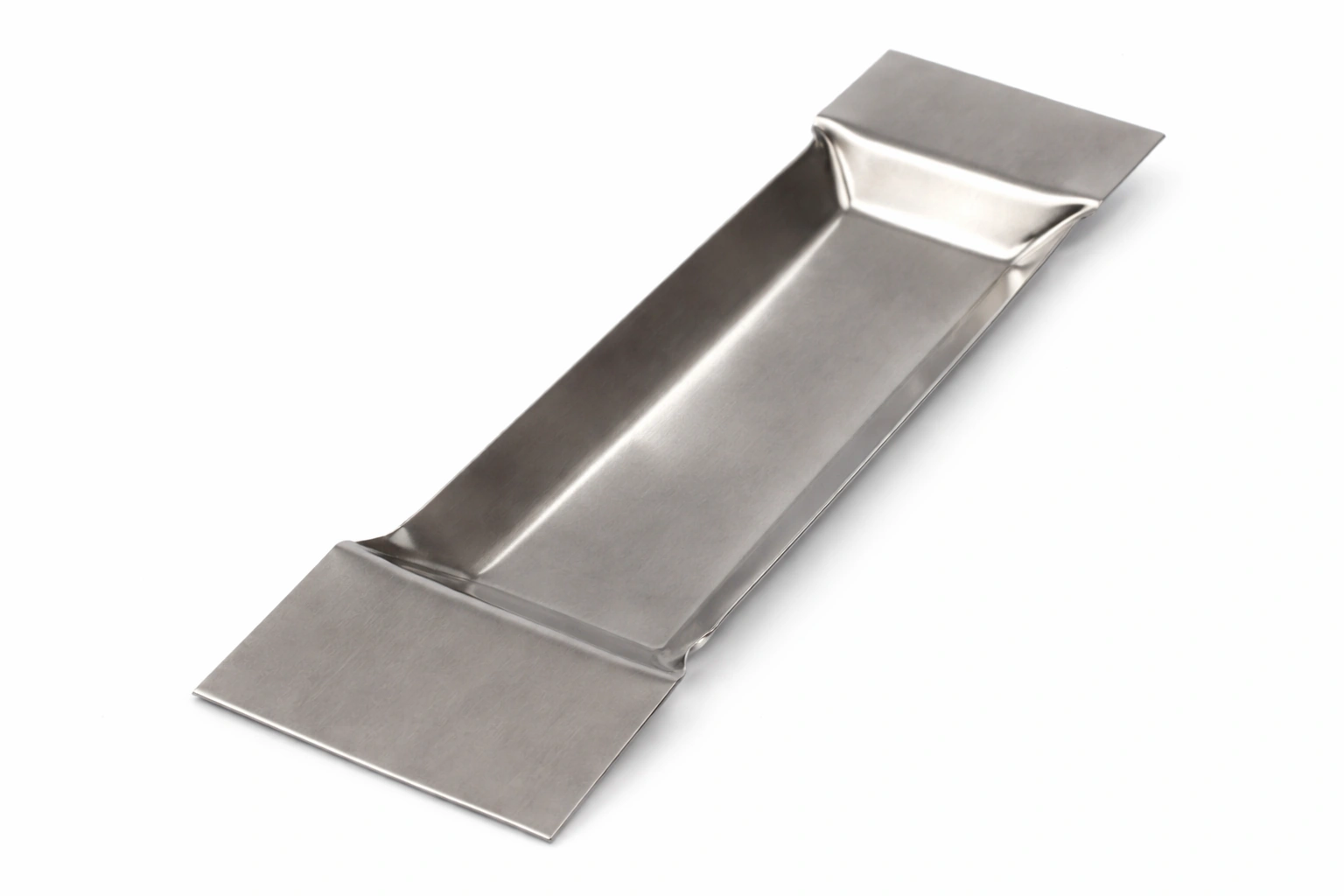
99.95% · 2–4 weeks
Tungsten Evaporation Boats
Formed tungsten boats for resistive thermal evaporation, made to your dimensions and clamp spacing in Europe.
View details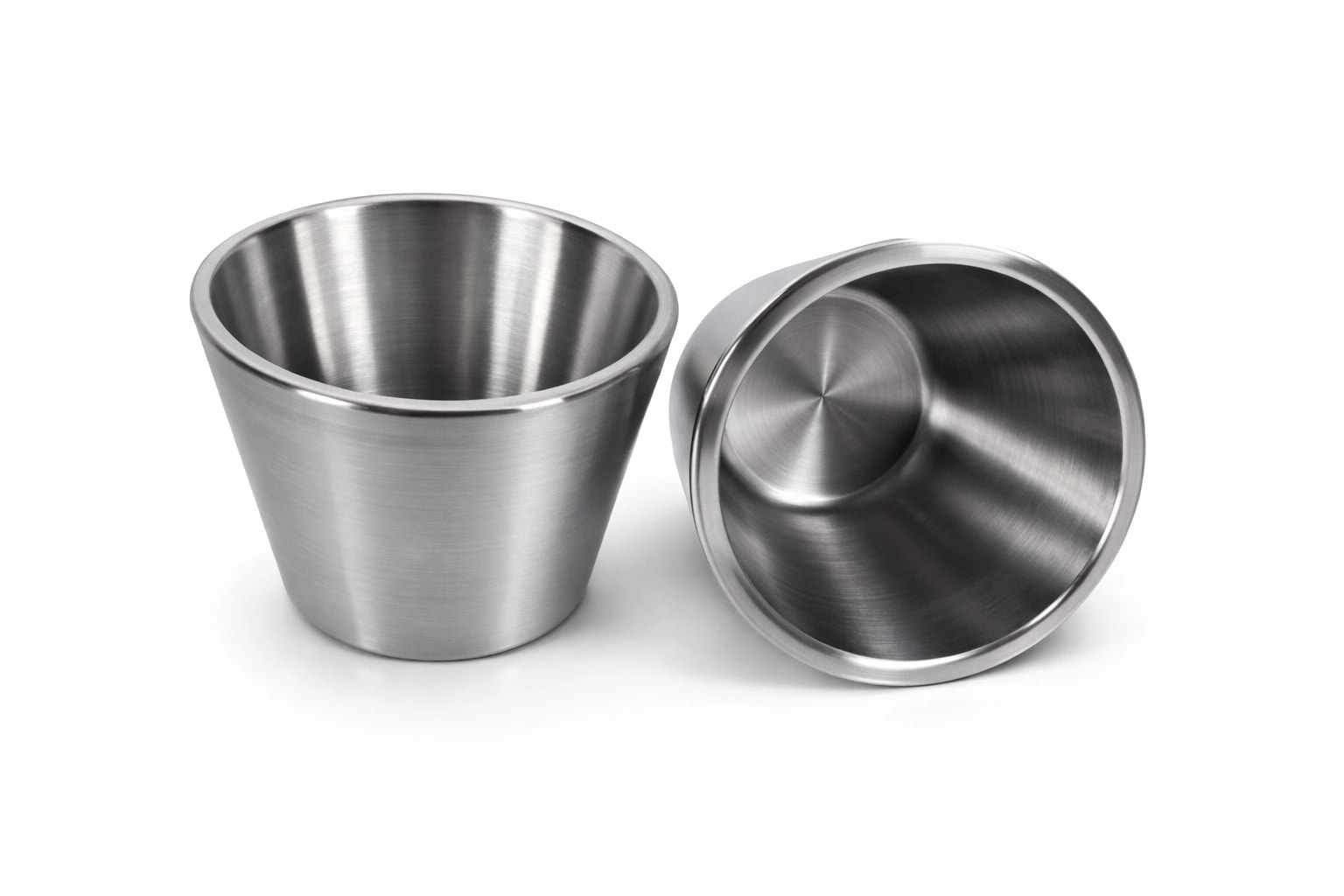
99.95% · 4–8 weeks
Tungsten Crucible
Machined and sintered tungsten crucibles for the temperatures where graphite and molybdenum no longer work.
View detailsAlso searched as: tungsten emitter pins, W pin electrode, ionizer emitter points, corona discharge pins.